
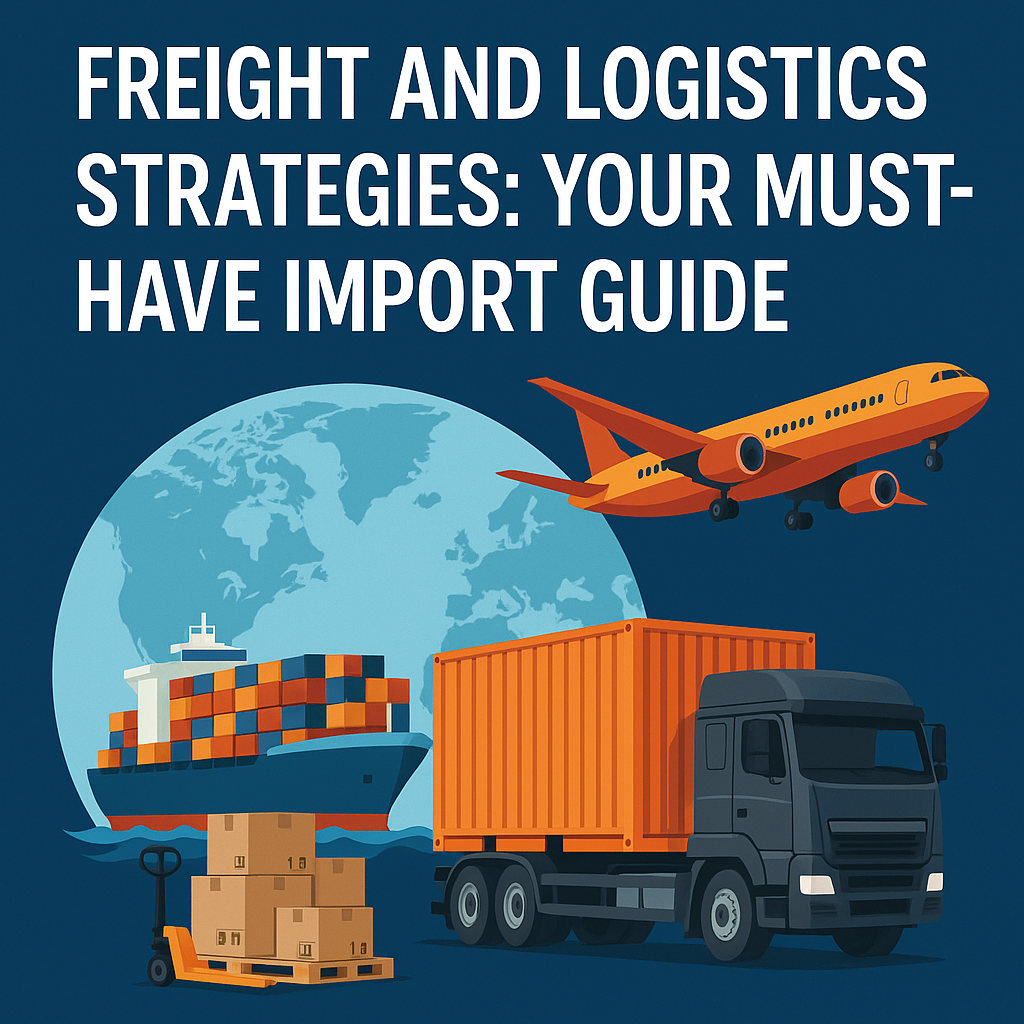
Essential Freight and Logistics Strategies for Importing Homecare & Rehab Equipment from China
Efficient freight and logistics strategies are crucial when importing homecare and rehab equipment from China. Whether you are sourcing mobility aids, shower chairs, commode chairs, or other essential homecare products, a well-planned approach ensures timely delivery, cost control, and product integrity. For healthcare importers, distributors, and elderly care buyers, understanding the nuances of international shipping, packaging, customs, insurance, and last-mile delivery can safeguard your operations and margins.
Selecting the Optimal Shipping Method for Homecare Equipment
Choosing the right shipping method is the first step toward a smooth import process. This decision depends largely on your order size, delivery urgency, and budget considerations.
Full Container Load (FCL) vs. Less than Container Load (LCL)
- Full Container Load (FCL): Best suited for orders exceeding 10–15 cubic meters (CBM). FCL is cost-effective, reduces product handling, and minimizes damage risks. This method is ideal for bulk shipments of homecare equipment such as shower chairs or mobility aids.
- Less than Container Load (LCL): Perfect for smaller or sample shipments. Although consolidation fees and slightly longer transit times apply, LCL allows you to import lower volumes without paying for an entire container.
Air Freight vs. Sea Freight vs. Express Courier
- Air Freight: Offers expedited transit of 3–7 days, but costs 4 to 6 times more than sea freight. Suitable for urgent shipments such as last-minute orders of commode chairs or replacement parts.
- Sea Freight: The most economical choice for volume shipments, typically taking 20–35 days. Standard containers (20’ or 40’) can accommodate large quantities of homecare equipment efficiently.
- Express Couriers (DHL, FedEx, UPS): Ideal for small parcels requiring fast customs clearance and door-to-door tracking, usually used for spare parts or samples.
Packaging and Container-Loading Optimization to Protect Your Cargo
Proper packaging and smart loading techniques can save you from product damage and unnecessary costs.
Protective Packaging for Homecare Products
- Use reinforced cartons combined with foam inserts and corner protectors to shield delicate components such as plastic handles, wheels, and metal frames.
- Clearly mark fragile items and attach detailed handling instructions to inform carriers.
Maximizing Container Space
- Stack cartons uniformly and consider palletization to facilitate faster loading/unloading and prevent shifting during transit.
- Confirm carton dimensions and weight with your supplier to accurately calculate CBM, preventing costly space miscalculations.
Consolidation Services for Cost Efficiency
- Consolidate shipments from multiple suppliers into one container to reduce per-unit freight cost.
- Ensure unified documentation to streamline customs clearance and avoid administrative delays.
Navigating Customs Documentation and Compliance
Accurate paperwork is essential to avoid border holdups and fines.
Essential Import Documents
- Commercial Invoice, Packing List, Bill of Lading (sea freight) or Air Waybill.
- Certificates such as Certificate of Origin, CE Declaration, FDA registration, and ISO 13485 certification when applicable.
- Payment documents like Letters of Credit, depending on your payment terms.
Understanding Harmonized System (HS) Codes
- Verify HS codes specific to each product category including rollators, shower chairs, and commode chairs.
- Correct classification of metal, plastic, or mixed-material products helps predict duties and expedites customs clearance.
Import Duties and VAT
- Research applicable tariffs; many homecare products benefit from reduced rates under free-trade agreements.
- Prepare for local VAT or GST registration and compliance when importing.
Risk Management and Cargo Insurance
Minimize financial exposure by selecting appropriate insurance and managing claims effectively.
Types of Cargo Insurance
- “All Risk” insurance covers loss, theft, and damage during transit, irrespective of mode (sea, air, road).
- “Total Loss Only” insurance is more affordable but excludes partial damages.
Declared Value and Premium Considerations
- Insure cargo for at least 110% of the CIF (Cost, Insurance, Freight) value to cover potential costs.
- Premium rates typically range from 0.12% to 0.30% of declared value—shop around for the best offer.
Efficient Claims Management
- Document any damage on arrival with photographs immediately.
- File claims within the carrier’s timeframe, usually within 7–14 days, to ensure timely resolution.
Partnering with a Reliable Freight Forwarder
Collaborating with an experienced freight forwarder can vastly simplify logistics complexity.
Choosing the Right Partner
- Opt for freight forwarders specializing in medical and homecare equipment with strong carrier and customs brokerage networks.
- Confirm they provide transparent pricing, warehousing, and reliable last-mile delivery solutions.
Communication and Service Expectations
- Establish clear communication protocols with weekly status updates, online tracking portals, and escalation processes for delays.
- Utilize cloud-based document sharing to keep all stakeholders informed in real time.
Value-Added Services
- Take advantage of in-China consolidation, pre-shipment inspections, labeling, kitting, and bonded warehousing.
- Efficient inland transport and distribution management in your destination country will streamline the supply chain.
Planning Effective Last-Mile Delivery and Warehousing
The final leg of delivery is critical in maintaining service quality and customer satisfaction.
Domestic Transport Considerations
- Use LTL (less-than-truckload) or FTL (full-truckload) based on shipment volume and urgency.
- Consider cross-docking to reduce inventory holding costs when distributing to multiple clients.
Storage and Handling Requirements
- Maintain controlled temperature and humidity for sensitive components like foam seats or plastic parts.
- Implement FIFO (first-in, first-out) inventory management to track production batches effectively.
Reverse Logistics
- Prepare for product returns, warranty repairs, and recycling of defective items.
- Develop a clear RMA (Return Merchandise Authorization) process in collaboration with your logistics partner.
Conclusion
By selecting the appropriate shipping methods, optimizing packaging and container loads, securing accurate customs compliance, and partnering with a knowledgeable freight forwarder, importers can streamline the supply chain of homecare and rehab products from China. Effective risk management and meticulous last-mile planning further protect margins and enhance business reputation with distributors, nursing homes, and retailers alike.
Ready to Simplify Your Freight and Logistics Needs?
Tenrova Healthcare’s logistics experts are here to provide customized freight quotes and comprehensive end-to-end support. Optimize your import process today.
Email: hysun0516@gmail.com
WhatsApp/Phone: +86-138-1239-0890
Visit: https://tenrova.com