
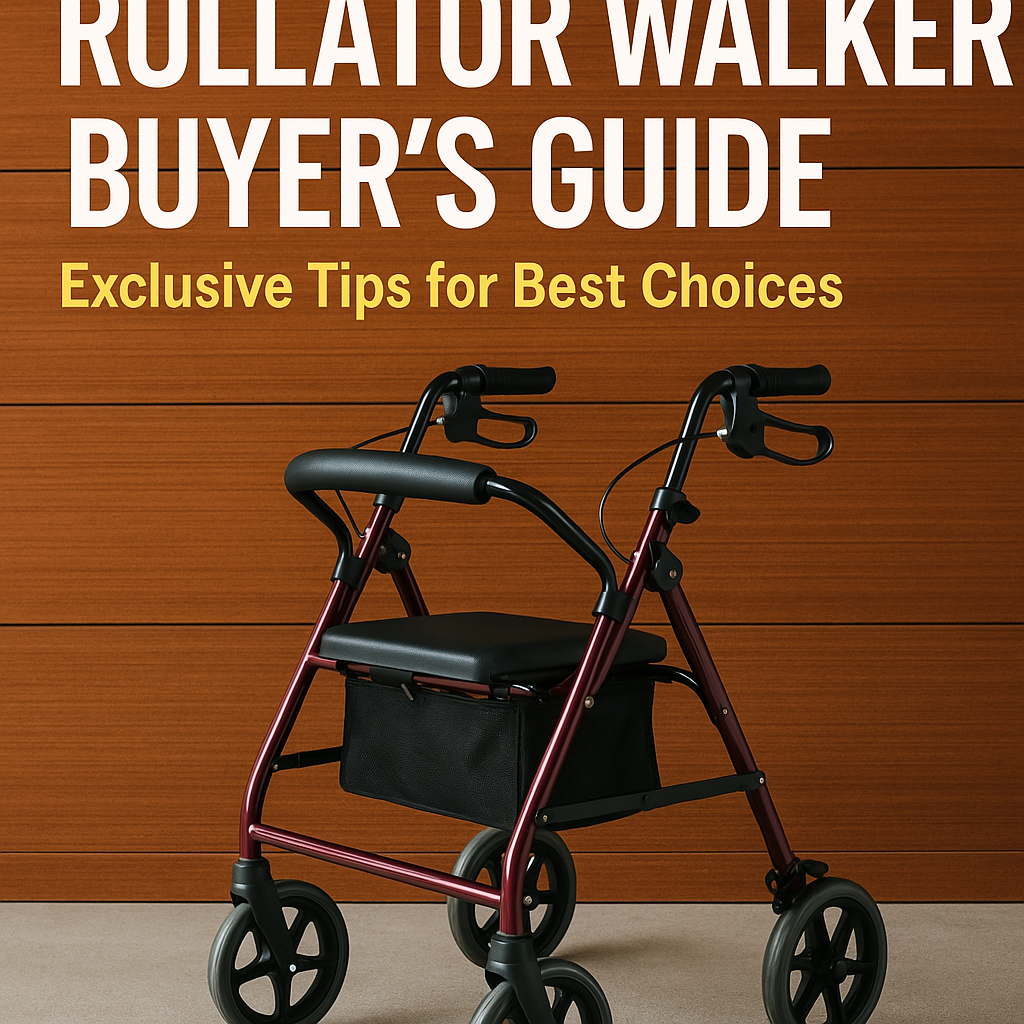
How to Choose the Right Rollator Walker: A Buyer’s Guide for Importers and Distributors
Choosing the right rollator walker is crucial for importers and distributors aiming to meet the diverse needs of elderly care buyers, rehabilitation centers, nursing homes, and retail outlets. This guide highlights essential factors to consider when sourcing rollators, especially from manufacturers in China. By understanding user requirements, frame materials, wheel configurations, and safety features, you can supply high-quality products that enhance mobility and user satisfaction.
Assessing End-User Requirements
Mobility Level
Different users have varying mobility needs. Low-mobility individuals generally benefit from rollators with sturdy frames and efficient locking brakes to ensure maximum safety and stability. Conversely, active seniors who frequently move outdoors prefer lightweight rollators equipped with larger wheels that can handle uneven terrain effortlessly.
Height and Weight Range
Rollators should accommodate a wide range of user heights, typically offering adjustable handles from 73 cm to 94 cm. This adjustability promotes ergonomic posture and reduces strain on wrists and shoulders. Load capacity is another critical factor; the frame should support at least 20% more than the heaviest intended user’s weight to guarantee durability and safety.
Environment of Use
The primary environment where the rollator will be used influences key features:
- Indoor Use: Requires compact designs with 8–10 cm swivel wheels to navigate tight spaces easily.
- Outdoor Use: Calls for larger, puncture-proof wheels ranging from 12 to 20 cm to handle rough surfaces like parks or sidewalks.
Frame Materials and Finish
Aluminum Alloy
This material strikes a balance between lightweight design and durability, typically weighing between 2.2 and 4.7 kg. Aluminum alloy frames with 6063-T5 anodized finishes provide excellent corrosion and scratch resistance, making them a popular choice for users needing a portable rollator that folds easily for travel.
Steel Frames
Offering superior strength and higher load capacities—up to 136 kg—steel frames deliver stability but add weight, generally between 7 to 9 kg. Powder-coated steel ensures protection against chips and rust, ideal for heavy-duty institutional use, such as nursing homes.
Wheel Sizes and Types
Small Wheels (5–8 cm)
Designed for indoor maneuverability, these small wheels glide smoothly on flat surfaces but can struggle on carpets or outdoors.
Medium Wheels (10–12 cm)
Suitable for mixed environments, medium wheels made from PVC or polyurethane provide non-marking qualities and versatile performance.
Large Wheels (16–20 cm)
Pneumatic or solid rubber large wheels excel on uneven terrain, offering enhanced cushioning and stability for outdoor users.
Braking and Safety Features
Reliable braking systems are essential for user confidence and accident prevention.
- Loop or Cable Brakes: Must be intuitively reachable and lock securely in both forward and parking modes.
- Dual-Action Brakes: Automatically engage when the rollator is stationary, releasing when movement resumes for added safety.
- Visibility Enhancements: Reflective accents and optional LED lights improve user visibility during low-light conditions, promoting safer mobility outdoors.
Seat, Backrest, and Storage Options
Comfort and convenience go hand in hand with user satisfaction.
- Padded Flip-Up Seats: Allow users to rest and fold compactly for transport.
- Storage Bags and Baskets: Water-resistant materials ensure personal items remain protected during outings.
- Backrests and Armrests: Vital for extended use in clinical settings, providing enhanced support.
Foldability and Portability
Easy folding mechanisms, such as one-hand fold designs, increase user independence and simplify storage. Compact folded dimensions also streamline container loading and stock management for importers and distributors.
Quality Standards and Certifications
Ensuring compliance with international quality and safety standards reassures buyers and end-users alike.
- Certifications: CE, FDA, and ISO 13485 demonstrate adherence to stringent medical device manufacturing protocols.
- Material Safety: EN 12182 and RoHS compliance guarantee safe use of plastics and metal alloys.
- Factory Audits: Recent SGS or TÜV reports validate quality control across production lines and laboratories.
Customization and OEM/ODM Services
Differentiating your product line through personalized features can significantly enhance market appeal.
- Branding: Logo printing and color options adapt products to regional preferences.
- Packaging: Multilingual instructions, branded cartons, and barcodes support retail display and ease of use.
- Accessories: Optional cane holders, cup trays, and oxygen-tank brackets add value for specialized markets.
Conclusion
Selecting the proper rollator walker calls for thorough evaluation of user needs, materials, wheel types, and safety compliance. Collaborating with reliable manufacturers who offer design flexibility and uphold rigorous quality standards will help you deliver superior mobility solutions that satisfy importers, distributors, and care facilities.
Ready to source premium rollator walkers with full certification and competitive pricing? Contact Tenrova Healthcare today for product samples, OEM options, and detailed factory audit reports.
Email: hysun0516@gmail.com
WhatsApp/Phone: +86-138-1239-0890
Visit: https://tenrova.com/product-category/products/walkers-rollators/