
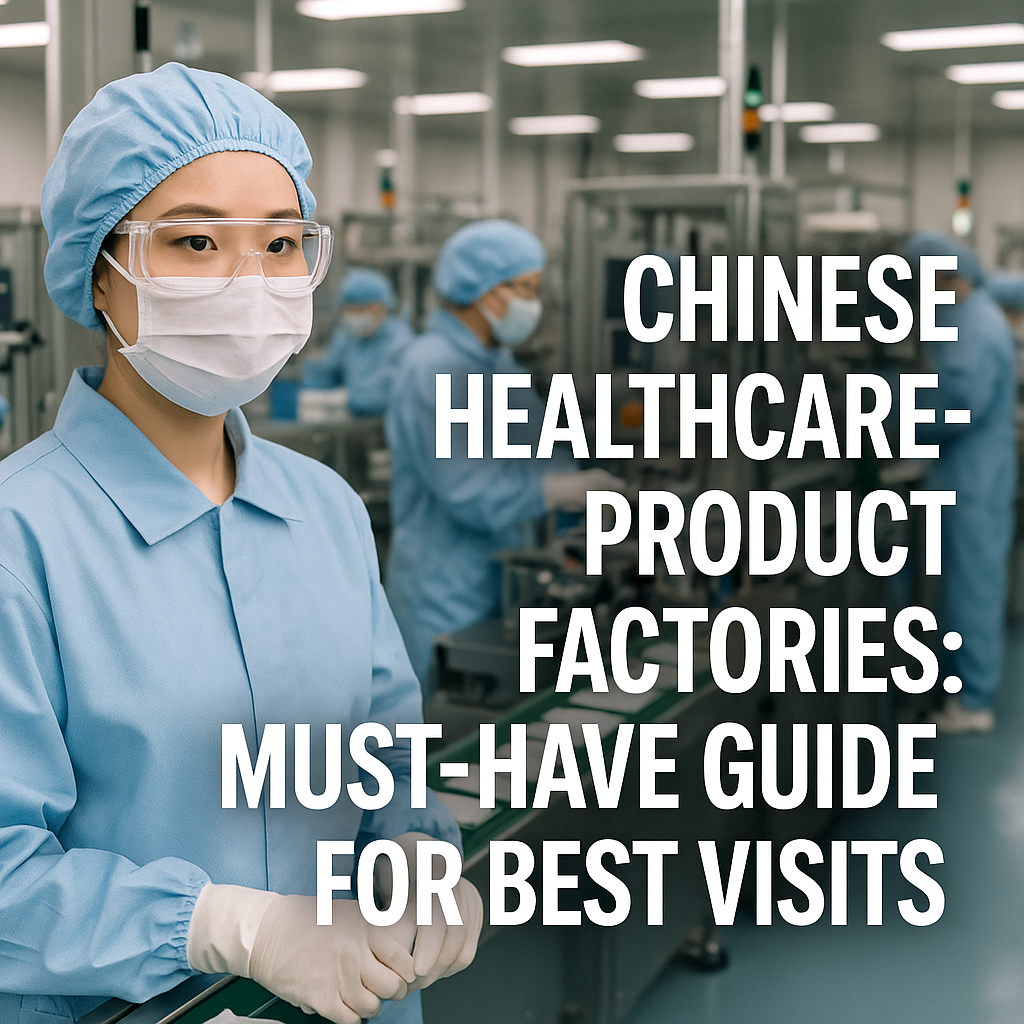
A Buyer’s Guide to Visiting Chinese Healthcare-Product Factories: What to Prepare and What to Expect
Visiting Chinese healthcare-product factories offers an unparalleled opportunity for buyers—especially healthcare importers, distributors, and elderly care buyers—to gain direct insight into manufacturing capabilities, quality control, and workplace standards. A well-planned factory visit not only verifies production reliability but also strengthens business relationships, accelerates product development, and reduces supply-chain risks. This comprehensive guide will walk you through what to prepare before your trip, what to expect during the visit, and how to maximize its long-term benefits.
Pre-Visit Preparation: Setting Clear Objectives
Before embarking on a factory visit, it is crucial to identify your key objectives. Define exactly what factory areas and processes you need to inspect. Typical checkpoints include:
- Raw-material storage facilities
- Fabrication and welding lines
- Surface-treatment booths like anodizing and powder coating
- Assembly stations and quality-control (QC) points
- Final inspection and packing areas
Prepare a list of critical questions regarding equipment capacity, lead times, workforce expertise, and certifications (such as CE, ISO 13485, and FDA approvals). Additionally, ensure confidentiality by signing non-disclosure agreements (NDAs) and site-access agreements that clarify restrictions on photography and information gathering.
For visa processing, secure formal invitation letters and compile all necessary documentation like purchase orders, quality standards, and regulatory paperwork. This pre-visit organization sets the stage for a focused and productive factory tour.
Managing Travel Logistics and Visa Planning
Understanding visa types is essential. Typically, an M (business) visa is required for manufacturing visits. Some regions in China permit short-term visa-free transit (72 or 144 hours), but confirm eligibility well in advance. Avoid scheduling factory visits during Chinese New Year (usually late January to February), as most factories close for up to four weeks.
Plan travel early—reserve flights, high-speed rail tickets, or ground transport three months ahead. Opt for hotels within 10 to 15 kilometers from the factory to reduce commuting time and allow early-starts.
Creating a Detailed Itinerary to Maximize Efficiency
Crafting a day-by-day itinerary ensures you cover all critical inspection points without rushing. A sample schedule might be:
- Day 1: Arrival, verification of documents, dinner with supplier management
- Day 2: Raw-material inspection, fabrication lines, tooling workshops
- Day 3: Surface-treatment areas (anodizing, powder coating), welding quality tests
- Day 4: Assembly-line walkthrough, in-process and final QC stations, packing and shipping yard
- Day 5: Review samples, hold contract-negotiation meetings, prepare for departure
Build buffer periods of 1-2 hours per visit to accommodate production delays, discussions, or unanticipated events.
On-Site Factory Inspection: What to Look For
Assessing Factory Layout and Production Capacity
Evaluate the factory’s physical layout for logical workflow—from raw material receipt to final packaging. Check floor space adequacy for your projected order volumes and observe machinery age, automation levels, and throughput rates. Efficient factory layout minimizes bottlenecks and enhances quality consistency.
Scrutinizing Quality-Control Processes
Review incoming quality control (IQC) protocols by examining raw material certificates and witnessing random material composition tests. Observe in-line inspections utilizing calipers and testing equipment for dimensional accuracy, load-bearing capacity, and coating thickness. Additionally, inspect final and outgoing QC steps like drop tests, packaging integrity, and label accuracy to ensure compliance with international standards.
Examining Workforce Competence and Safety Practices
Engage with production supervisors and QC inspectors to assess their training, turnover rates, and technical proficiency. Confirm that workplace safety measures (personal protective equipment use, fire safety signage, emergency exits, and first-aid kits) are strictly enforced.
Environmental and Ethical Responsibility Checks
Inspect wastewater treatment systems for plating and anodizing lines, dust extraction in welding zones, and waste disposal procedures. Verify labor compliance regarding working hours, overtime policies, and social insurance coverage to guarantee ethical sourcing.
Technical and Engineering Discussions: Optimize Your Product
Use the factory visit to review prototypes, tooling samples, and 3D-printed models for dimensional tolerances and surface finish. Clarify mold approval workflows, lead times for tooling adjustments, and storage costs.
Discuss material alternatives that may reduce costs or enhance product durability. For example, comparing aluminum grades like 6063-T5 versus 6061 or exploring improved coating techniques. Delve into critical process controls, such as temperature consistency during anodizing or curing times in powder coating.
Finally, review packaging mock-ups and container loading plans to protect delicate parts during transit and optimize shipping costs.
Negotiations and Relationship Building
Leverage insights gained during the visit to negotiate pricing structures, minimum order quantities (MOQ), tooling amortization schedules, and volume discounts. Confirm trade terms, including incoterms (FOB, CIF, DDP), and assign responsibilities for customs clearance.
Establish clear communication protocols with designated contact persons for engineering changes, warranty claims, and production updates. Set recurring meetings like weekly sample reviews and monthly status reports for ongoing collaboration.
Respect Chinese business culture by preparing thoughtful gifts and accepting invitations to factory-hosted banquets, as these cultural engagements often facilitate important commercial decisions.
Post-Visit Follow-Up: Ensuring Continuous Improvement
After returning, compile a detailed visit report highlighting key observations such as machine capacity, QC processes, staff qualifications, and environmental compliance. Share annotated diagrams, photos, and videos with your internal teams.
Implement an action-item tracker with deadlines and responsible parties for pending tasks such as sample revisions or contractual clarifications.
Plan regular audits—on-site or remote—to maintain standards. Consider third-party inspectors for unannounced quality checks if your order size justifies this investment. Continuously provide the supplier with market feedback and defect data to support iterative product improvements.
Conclusion
A thoroughly planned and executed factory visit is an essential step in building a transparent, high-quality supply chain for healthcare and elderly care products. By clarifying objectives, managing logistics carefully, conducting rigorous inspections, and fostering strong relationships, buyers can mitigate risks, control costs, and accelerate time to market.
At Tenrova Healthcare Co., Ltd., we specialize in facilitating factory tours, compliance audits, and product development support tailored for healthcare importers and distributors. To arrange your visit or receive expert consulting, contact us today:
Email: hysun0516@gmail.com
Phone/WhatsApp: +86-138-1239-0890
Website: https://tenrova.com
Explore how expert guidance can transform your sourcing strategy and ensure superior healthcare products for your market.