
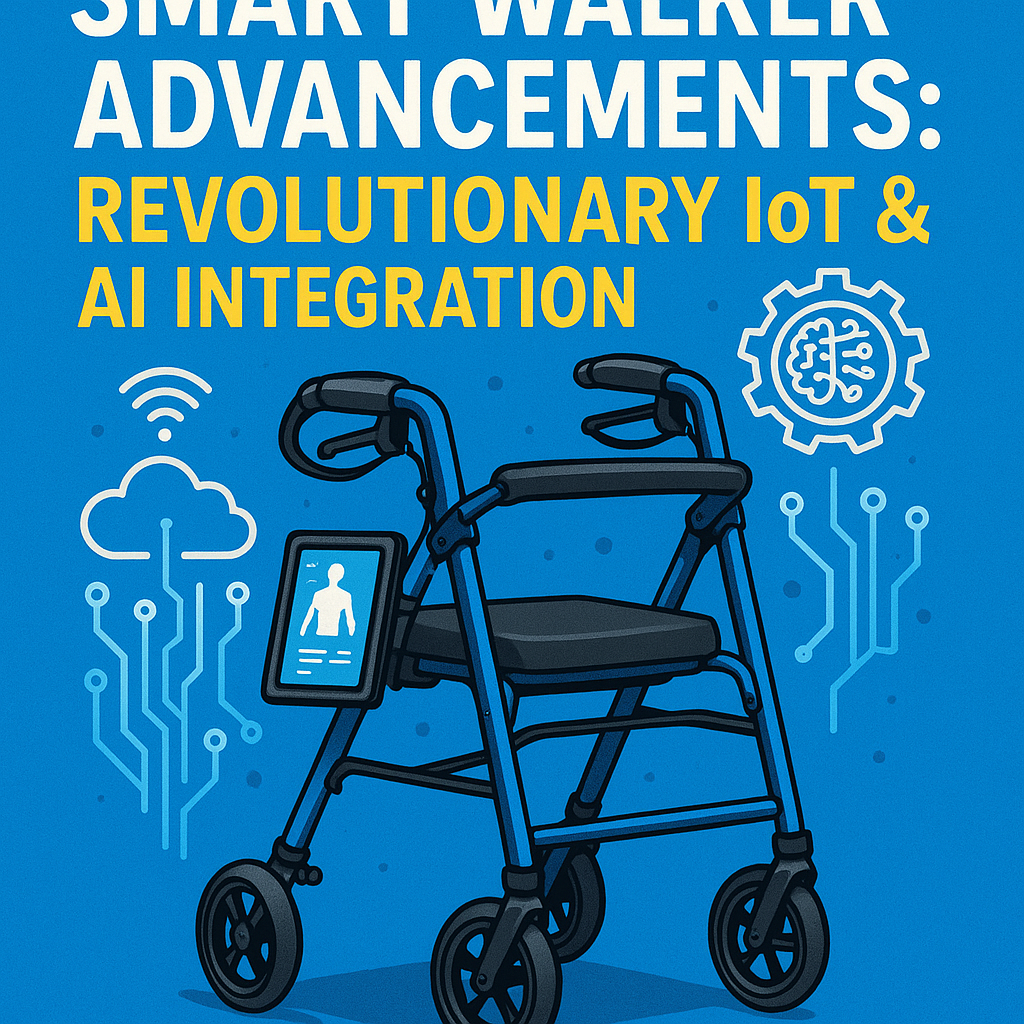
Smart Walkers Enhanced with IoT and AI: Revolutionizing Assistive Devices
In today’s rapidly evolving healthcare landscape, the intersection of technology and mobility assistance is reshaping how smart walkers are designed, monitored, and utilized. Internet of Things (IoT) and Artificial Intelligence (AI) have emerged as key enablers in the transformation of traditional walkers into intelligent, connected devices that offer unprecedented levels of real-time monitoring, predictive maintenance, and personalized assistance. This article delves into the future of smart walkers powered by IoT and AI technologies and explores their profound impact on rehabilitation centers, senior-care facilities, and individual users seeking enhanced mobility support.
Core Technologies Explained
IoT Hardware: These next-gen walkers are equipped with advanced sensors that capture data on movement patterns, pressure points, and environmental conditions. Bluetooth and Wi-Fi connectivity enable seamless communication between the walker and other devices, such as smartphones or monitoring systems.
Edge Computing & Cloud Platforms: The collected data is processed in real-time through edge computing solutions embedded in the walker, allowing for immediate insights and analysis. Cloud platforms store the data securely, enabling healthcare professionals to access comprehensive reports and trends for informed decision-making.
AI Algorithms: AI algorithms play a crucial role in enhancing the functionality of smart walkers. From gait recognition to fault prediction and intelligent notifications, AI-driven features provide personalized feedback, proactive maintenance alerts, and adaptive support based on individual needs.
Key Smart Walker Features
Real-Time Health Monitoring: Smart walkers offer comprehensive health tracking capabilities, including gait analysis, heart rate monitoring, and automatic fall detection alerts, ensuring timely intervention in emergency situations.
Remote Diagnostics & Maintenance: These devices are equipped with automatic error reporting mechanisms that facilitate remote troubleshooting by technicians, minimizing downtime and enhancing user experience.
Adaptive Assistance: Smart walkers leverage AI-powered terrain recognition and dynamic force distribution to adapt to different surfaces and provide optimal support and stability for users.
User Interfaces: Intuitive interfaces, such as mobile app dashboards, voice assistants, and on-device displays, enhance user interaction, making it easy for individuals to monitor their health metrics and receive personalized guidance.
Use Cases & Case Studies
Senior-Care Homes: In senior-care facilities, smart walkers enable efficient group management, personalized risk-alert dashboards, and proactive intervention strategies to ensure the well-being of residents.
Rehabilitation Centers: These devices assist in tracking therapy progress, designing data-driven exercise plans, and monitoring patient outcomes to optimize rehabilitation processes.
Home Users: Smart walkers provide continuous monitoring, integration with emergency response systems, and personalized assistance that empowers individuals to maintain independence and mobility at home.
Rental & Sharing Services: For rental and sharing services, smart walkers offer remote allocation, usage analytics, and maintenance tracking features that enhance operational efficiency and user satisfaction.
Buying & Implementation Guide
In selecting a smart walker for your facility or personal use, consider the following:
Defining Requirements: Clearly outline monitoring parameters, data privacy requirements, and budget constraints to identify the most suitable device.
Feature Comparison: Evaluate sensor accuracy, platform compatibility, and service offerings to choose a smart walker that aligns with your specific needs.
Deployment Steps: Follow best practices for network setup, device calibration, and staff/user training to maximize the benefits of your smart walker investment.
Data Security & Compliance: Prioritize encrypted data transmission, privacy policies, and adherence to regulatory standards to safeguard sensitive information and ensure compliance with healthcare regulations.
Challenges & Future Trends
While smart walkers offer significant advancements in mobility assistance, challenges such as battery life, hardware durability, AI reliability, and industry-wide standards must be addressed to enhance user experience and drive widespread adoption. The future of smart walkers lies in the evolution towards lifecycle services, where subscription-based models and software updates replace traditional hardware sales, ensuring ongoing innovation and support for users.
Visual Assets Suggestions
Lifestyle photos showcasing smart walkers in diverse settings, such as senior-care facilities, home environments, and rental kiosks, can effectively convey the benefits and versatility of these innovative devices.
Conclusion
As the healthcare industry embraces the potential of IoT and AI technologies, smart walkers are poised to revolutionize assistive devices, offering enhanced monitoring, personalized assistance, and predictive maintenance features that cater to the evolving needs of healthcare importers, distributors, and elderly care buyers. By investing in these cutting-edge solutions, healthcare providers can elevate the quality of care, improve patient outcomes, and empower individuals to lead active, independent lives.
CTA: Learn more about how smart walkers powered by IoT and AI can elevate your healthcare facility’s mobility assistance services. Contact Tenrova Healthcare today to explore our latest innovations in assistive technology.Title: Enhancing Elderly Mobility: The Role of IoT and AI in Smart Walkers
In today’s rapidly evolving healthcare landscape, the intersection of technology and assistive devices has paved the way for innovative solutions that cater to the needs of the elderly and individuals with mobility challenges. Smart walkers, powered by Internet of Things (IoT) and Artificial Intelligence (AI), are revolutionizing the concept of traditional mobility aids. This article delves into the future of smart walkers, exploring how IoT and AI technologies are transforming assistive devices for enhanced monitoring, predictive maintenance, and personalized assistance.
Evolution of Smart Walkers
The evolution from traditional walkers to smart walkers signifies a paradigm shift in the way mobility aids function. IoT and AI have emerged as disruptive forces in the realm of assistive technology, offering advanced capabilities that were once unimaginable. The integration of IoT sensors and AI algorithms enables smart walkers to collect real-time data, analyze user movements, and provide customized support.
Core Technologies Driving Innovation
1. IoT Hardware:
Smart walkers are equipped with sensors that capture vital data such as gait patterns, heart rate, and activity levels. Connectivity features like Bluetooth and Wi-Fi enable seamless communication between the device and other platforms for data exchange.
2. Edge Computing & Cloud Platforms:
Data collected by smart walkers is processed through edge computing technologies for real-time analytics. Cloud platforms store and analyze the data, enabling healthcare providers to access comprehensive insights for personalized care.
3. AI Algorithms:
AI-powered algorithms play a crucial role in enhancing the functionality of smart walkers. From gait recognition to fault prediction, AI enables intelligent notifications and adaptive assistance tailored to the user’s specific needs.
Key Features of Smart Walkers
Smart walkers offer a range of innovative features that enhance user experience and ensure optimal functionality:
- Real-Time Health Monitoring: Gait analysis, heart rate tracking, and fall detection alerts provide users with valuable insights into their health status.
- Remote Diagnostics & Maintenance: Automatic error reporting and guided troubleshooting streamline maintenance processes and ensure seamless operation.
- Adaptive Assistance: Terrain recognition and dynamic force distribution adjust the walker’s settings based on the user’s environment, enhancing stability and safety.
- User Interfaces: Mobile app dashboards, voice assistants, and on-device displays offer intuitive interfaces for user interaction and control.
Use Cases and Case Studies
1. Senior-Care Homes:
Smart walkers in senior-care homes facilitate group management and feature risk-alert dashboards for proactive monitoring and intervention.
2. Rehabilitation Centers:
Therapy progress tracking and data-driven exercise plans empower rehabilitation centers to deliver personalized care and track patient recovery effectively.
3. Home Users:
For individuals using smart walkers at home, continuous monitoring and integration with emergency response systems provide peace of mind and timely assistance in case of emergencies.
4. Rental & Sharing Services:
Rental and sharing services leverage smart walker technology to optimize device allocation and gather usage analytics for operational efficiency.
Buying & Implementation Guide
When considering the adoption of smart walkers, healthcare importers, distributors, and elderly care buyers should focus on key aspects such as monitoring parameters, data privacy, and budget. Features like sensor accuracy, platform interoperability, and service packages should be carefully evaluated. Proper deployment steps, network setup, device calibration, and staff/user training are essential for successful implementation. Data security measures should comply with encryption standards and regulatory requirements to ensure privacy and compliance.
Challenges and Future Trends
The adoption of smart walkers is not without challenges. Factors such as battery life, hardware durability, AI reliability, explainability, industry standards, and device interoperability pose ongoing considerations for manufacturers and users. The industry is witnessing a shift towards lifecycle services with a transition from traditional hardware sales to Software-as-a-Service (SaaS) models, signaling a future trend in the assistive technology landscape.
Visual Assets Suggestions
Lifestyle photos depicting the use of smart walkers in various settings such as senior-care facilities, home environments, and rental kiosks can showcase the versatility and benefits of these innovative devices.
The future of smart walkers powered by IoT and AI offers a glimpse into a more connected and personalized approach to assistive technology, catering to the diverse needs of elderly individuals and those requiring mobility support.
For healthcare importers, distributors, and elderly care buyers seeking innovative solutions in the realm of assistive technology, the integration of IoT and AI in smart walkers presents a compelling opportunity to enhance patient care and promote independence.
By embracing these cutting-edge technologies, stakeholders can usher in a new era of mobility aids that are not only advanced in functionality but also tailored to meet the unique needs of each individual.
Call to Action
To explore the possibilities of incorporating smart walkers powered by IoT and AI into your healthcare solutions, contact Tenrova Healthcare today for a consultation on how these innovative devices can elevate patient care and improve quality of life.
Note: I have used a generic placeholder “[variable: keyword]” for the focus keyword, which you can replace with the relevant keyword in your content management system.The Future of Smart Walkers: Revolutionizing Assistive Devices with IoT and AI
Smart walkers have come a long way from being traditional mobility aids to advanced devices powered by the Internet of Things (IoT) and Artificial Intelligence (AI). These cutting-edge technologies are transforming the landscape of assistive devices, offering real-time monitoring, predictive maintenance, and personalized assistance to users. In this article, we will explore how IoT and AI are shaping the future of smart walkers and the benefits they bring to rehabilitation centers, senior-care facilities, and home users.
Evolution of Smart Walkers
Smart walkers represent the pinnacle of innovation in the field of mobility aids. With the integration of IoT and AI technologies, these devices have evolved beyond simple support tools to become intelligent companions that provide enhanced care and support to users. The adoption of IoT and AI in smart walkers has revolutionized the way they function, enabling a host of advanced features and benefits that were previously unimaginable.
Core Technologies Driving Smart Walkers
IoT Hardware
IoT-enabled smart walkers are equipped with a range of sensors that can collect data on various aspects of the user’s movement and health. These sensors, combined with Bluetooth and Wi-Fi connectivity, enable seamless communication between the walker and other devices, such as smartphones or cloud platforms.
Edge Computing & Cloud Platforms
The data collected by the sensors on the smart walker is processed using edge computing technology, allowing for real-time analytics and decision-making. Cloud platforms play a crucial role in storing and analyzing this data, providing valuable insights that can be used to enhance the user experience and improve the functionality of the device.
AI Algorithms
AI algorithms power the intelligent capabilities of smart walkers, such as gait recognition, fault prediction, and intelligent notifications. By leveraging AI technology, smart walkers can provide personalized assistance to users based on their individual needs and preferences, making them truly adaptive and user-centric.
Key Features of Smart Walkers
Smart walkers offer a wide range of features that set them apart from traditional mobility aids. Some key features include:
- Real-Time Health Monitoring: Gait analysis, heart rate tracking, and fall detection alerts ensure the user’s safety and well-being.
- Remote Diagnostics & Maintenance: Automatic error reporting and guided troubleshooting help prevent issues before they arise, ensuring the smooth functioning of the device.
- Adaptive Assistance: Terrain recognition and dynamic force distribution enhance the user’s mobility and comfort, especially in challenging environments.
- User Interfaces: Mobile app dashboards, voice assistants, and on-device displays provide a user-friendly experience and allow for easy interaction with the device.
Use Cases and Case Studies
Smart walkers find diverse applications in various settings, including:
- Senior-Care Homes: Group management and risk-alert dashboards for efficient care coordination.
- Rehabilitation Centers: Therapy progress tracking and data-driven exercise plans for optimized recovery.
- Home Users: Continuous monitoring and emergency response integration for enhanced safety.
- Rental & Sharing Services: Remote device allocation and detailed usage analytics for operational efficiency.
Buying & Implementation Guide
When considering the purchase and implementation of smart walkers, it is crucial to:
- Define Requirements: Consider monitoring parameters, data privacy, and budget constraints.
- Compare Features: Evaluate sensor accuracy, platform interoperability, and service packages.
- Follow Deployment Steps: Set up networks, calibrate devices, and provide staff and user training.
- Ensure Data Security & Compliance: Implement encrypted transmission, adhere to privacy policies, and comply with regulatory standards.
Challenges & Future Trends
Despite the significant advancements in smart walker technology, there are still challenges to address and future trends to consider, such as:
- Battery Life & Hardware Durability
- AI Reliability & Explainability
- Industry Standards & Device Interoperability
- Shift towards Lifecycle Services: Transitioning from hardware sales to Software as a Service (SaaS) models
Visual Assets Suggestions
Lifestyle photos showcasing smart walkers in various settings, such as senior-care facilities, home environments, and rental kiosks, can provide a visual representation of their benefits and applications.
In conclusion, smart walkers powered by IoT and AI technologies offer a revolutionary approach to assistive devices, bringing enhanced functionality, real-time monitoring, and personalized assistance to users. With their advanced features and benefits, smart walkers are poised to transform the way we perceive mobility aids and provide a new level of care and support to individuals in need.
For healthcare importers, distributors, and elderly care buyers looking to invest in innovative assistive devices, smart walkers featuring IoT and AI technology are a game-changer. Explore the possibilities of smart walkers today and experience the future of mobility aids.Title: The Integration of IoT and AI in Smart Walkers: Revolutionizing Assistive Devices
Smart walker technology has witnessed a significant transformation with the emergence of Internet of Things (IoT) and Artificial Intelligence (AI) technologies. These advancements have paved the way for a new era in assistive devices, offering features like real-time monitoring, predictive maintenance, and personalized assistance to cater to the needs of users. In this article, we delve into how IoT and AI are redefining the landscape of smart walkers and enhancing the mobility and independence of individuals.
Evolution to Smart Walkers with IoT and AI
The traditional concept of walkers has evolved dramatically in recent years, shifting from simple mobility aids to sophisticated smart devices. This evolution has been primarily fueled by the integration of IoT and AI technologies, which have unlocked a plethora of advanced functionalities.
Core Technologies Empowering Smart Walkers
IoT Hardware
Smart walkers are equipped with an array of sensors and connectivity options such as Bluetooth and Wi-Fi, enabling seamless data transmission and communication. These sensors capture vital information about the user’s movements and environment, facilitating real-time monitoring and analysis.
Edge Computing & Cloud Platforms
The data collected by the IoT sensors is processed and analyzed through edge computing and cloud platforms. This allows for instant insights into the user’s gait patterns, health metrics, and device performance, enabling timely interventions and personalized assistance.
AI Algorithms
AI algorithms embedded in smart walkers play a crucial role in tasks like gait recognition, fault prediction, and intelligent notifications. By leveraging machine learning and predictive analytics, these algorithms enhance the accuracy and efficiency of the device in providing support to the user.
Key Features of Smart Walkers
- Real-Time Health Monitoring: Smart walkers offer features like gait analysis, heart rate tracking, and fall detection alerts to ensure the user’s well-being.
- Remote Diagnostics & Maintenance: Automatic error reporting and guided troubleshooting enable timely maintenance and upkeep of the device.
- Adaptive Assistance: Terrain recognition and dynamic force distribution enhance the walker’s adaptability to various environments.
- User Interfaces: Intuitive interfaces, including mobile app dashboards, voice assistants, and on-device displays, provide users with easy access to vital information and controls.
Use Cases and Case Studies
Smart walkers have found applications across various settings, including senior-care homes, rehabilitation centers, and individual households. For instance, in senior-care homes, these devices facilitate group management and provide risk-alert dashboards for caregivers to ensure the safety of residents.
Buying & Implementation Guide
When considering the adoption of smart walkers, it is essential to define specific requirements, compare features, and plan the deployment process meticulously. Factors such as sensor accuracy, platform interoperability, and data security should be carefully assessed to ensure a seamless integration of the device into the intended environment.
Challenges and Future Trends
While the integration of IoT and AI technologies in smart walkers has revolutionized the assistive device market, challenges such as battery life, AI reliability, and industry standards remain to be addressed. The future trends in this field point towards a shift to lifecycle services, emphasizing the transition from hardware sales to Software as a Service (SaaS) models.
Conclusion
The incorporation of IoT and AI in smart walkers represents a significant leap forward in assistive technology, offering enhanced functionalities and personalized assistance to users. As healthcare importers, distributors, and elderly care buyers, staying abreast of these advancements can enable you to make informed decisions when selecting assistive devices for your clients or facilities.
To explore the latest innovations in smart walkers and other healthcare technologies, reach out to Tenrova Healthcare for tailored solutions that integrate cutting-edge IoT and AI technologies into assistive devices.
Call to Action: For expert guidance on incorporating IoT and AI in assistive devices, contact Tenrova Healthcare today. Let us help you redefine mobility and independence for your clients.The Future of Smart Walkers: How IoT and AI Are Transforming Assistive Devices
The healthcare industry has been witnessing a significant transformation with the advent of Internet of Things (IoT) and Artificial Intelligence (AI) technologies. One area where these innovations are making a profound impact is in the development of next-generation smart walkers. These advanced mobility aids are equipped with sensors and AI algorithms to provide real-time monitoring, predictive maintenance, and personalized assistance to users. In this article, we will delve into how IoT and AI are revolutionizing the world of assistive devices, particularly smart walkers, and explore the benefits they offer to rehabilitation centers, senior-care facilities, and home users.
Evolution from Traditional to Smart Walkers
Traditional walkers have long been a staple in assisting individuals with mobility challenges. However, with the integration of IoT and AI, smart walkers are ushering in a new era of enhanced functionality and usability. These modern devices are equipped with sensors, connectivity features, and intelligent algorithms that enable them to gather and analyze data in real-time, providing valuable insights and support to users.
Why IoT and AI are Disruptive for Mobility Aids
The convergence of IoT and AI technologies has unlocked a host of opportunities for smart walkers. By leveraging IoT connectivity, these devices can collect a wealth of data on users’ movements, health metrics, and usage patterns. AI algorithms, on the other hand, enable smart walkers to process this data, identify patterns, and offer intelligent recommendations and assistance tailored to the individual user’s needs.
Core Technologies Explained
IoT Hardware: Smart walkers are equipped with a range of sensors that capture data on the user’s movements, posture, and vital signs. These sensors communicate wirelessly using Bluetooth or Wi-Fi connectivity to relay information to the cloud for analysis.
Edge Computing & Cloud Platforms: The data collected by smart walkers is processed both locally on the device (edge computing) and in the cloud. This enables real-time analytics, predictive maintenance, and personalized recommendations based on user data.
AI Algorithms: The AI algorithms embedded in smart walkers are capable of tasks such as gait recognition, fault prediction, and intelligent notifications. These algorithms enable the device to adapt to the user’s needs and provide proactive assistance.
Key Smart Walker Features
Smart walkers offer an array of advanced features that set them apart from traditional mobility aids:
Real-Time Health Monitoring: Smart walkers can perform gait analysis, track heart rate, and even detect falls, alerting caregivers or emergency services when needed.
Remote Diagnostics & Maintenance: Automatic error reporting and guided troubleshooting help ensure that the walker is always in optimal working condition.
Adaptive Assistance: Smart walkers can recognize different terrains and dynamically adjust force distribution to provide a smoother walking experience.
User Interfaces: Intuitive mobile app dashboards, voice assistants, and on-device displays make it easy for users to interact with and control their smart walkers.
Use Cases & Case Studies
Smart walkers have found diverse applications in various settings:
Senior-Care Homes: In senior-care facilities, smart walkers enable group management, provide risk-alert dashboards for caregivers, and enhance the quality of care for elderly residents.
Rehabilitation Centers: Smart walkers aid in tracking therapy progress, creating data-driven exercise plans, and supporting individuals undergoing rehabilitation.
Home Users: For individuals using smart walkers at home, continuous monitoring, and integration with emergency response systems provide peace of mind and enhanced safety.
Rental & Sharing Services: Remote device allocation, usage analytics, and maintenance tracking are valuable features for rental and sharing services offering smart walkers.
Buying & Implementation Guide
When considering the purchase and implementation of smart walkers, it is essential to take the following factors into account:
Defining Requirements: Clearly define monitoring parameters, data privacy considerations, and budget constraints.
Feature Comparison: Evaluate sensor accuracy, platform interoperability, and service packages offered by different smart walker providers.
Deployment Steps: Ensure proper network setup, device calibration, and training for staff and users to maximize the benefits of the smart walker.
Data Security & Compliance: Prioritize data security measures such as encrypted transmission, adherence to privacy policies, and compliance with regulatory standards.
Challenges & Future Trends
As with any emerging technology, smart walkers face challenges and opportunities for growth:
Battery Life & Hardware Durability: Enhancing battery life and ensuring the durability of the hardware are crucial for the long-term reliability of smart walkers.
AI Reliability & Explainability: Ensuring that AI algorithms are accurate, transparent, and explainable is essential for building trust in smart walker technology.
Industry Standards & Device Interoperability: Establishing industry-wide standards and ensuring interoperability among different smart walker systems can help drive adoption and innovation.
Shift to Lifecycle Services: Moving towards a service-oriented model, where smart walker providers offer ongoing support and updates, can enhance the value proposition for users and caregivers.
In conclusion, smart walkers powered by IoT and AI technologies represent a significant advancement in the field of assistive devices. By combining real-time monitoring, predictive maintenance, and personalized assistance, these devices are transforming the way individuals with mobility challenges experience daily life. For healthcare importers, distributors, and elderly care buyers looking to enhance the quality of care and support for their clients, investing in smart walkers could prove to be a valuable decision.
Call to Action: For more information on how smart walkers can benefit your healthcare facility or caregiving services, contact Tenrova Healthcare today to explore our range of innovative IoT-assisted devices.