
Understanding the Different Types of Rollator Walkers: A Comprehensive Guide
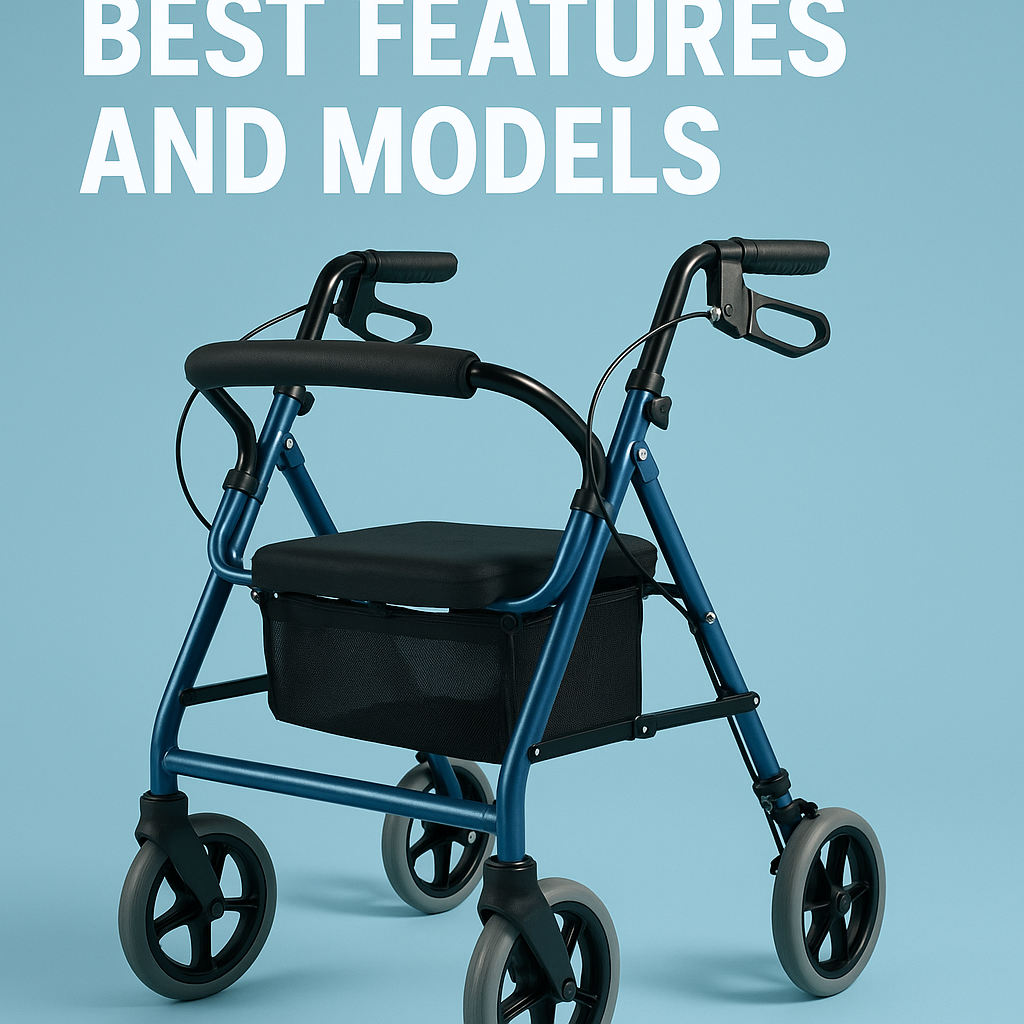
Rollator walkers play a crucial role in enhancing safety, comfort, and independence for elderly or mobility-limited individuals. With a wide range of options available, it’s essential to understand the different types of rollator walkers to ensure you choose the most suitable one for your needs or the needs of your clients. In this comprehensive guide, we will explore the key features of basic and heavy-duty rollator walkers, highlight important considerations when selecting a rollator, and provide insights on matching the right model to specific user requirements.
Basic Rollator vs. Heavy-Duty Models
Basic Rollator Walkers
- Frame: Constructed from lightweight aluminum, typically supporting up to 100 kg (220 lbs).
- Wheels: Equipped with 5″–8″ front and rear wheels for easy maneuvering indoors.
- Brakes: Come with loop or push-down brakes for simple stopping.
- Portability: Folds easily for storage and transport.
Heavy-Duty Rollator Walkers
- Frame: Made from steel or reinforced aluminum alloy, supporting between 136 kg–300 lbs.
- Wheels: Larger 8″–12″ pneumatic or semi-pneumatic tires designed for rough terrain.
- Brakes: Feature dual braking systems (running brake + parking brake) for added safety.
- Extras: Wider seat, padded backrest, under-seat storage, and stronger handles.
Selecting between these two categories depends on factors such as user weight requirements, frequency of outdoor use, and the need for additional rest and support features.
Features: Wheels, Brakes, Seats, Bags
When evaluating a rollator, it’s important to consider the following features:
Wheels
- Size: Small wheels (5″–8″) are ideal for indoor use, while larger wheels (10″–12″) are better suited for rough terrain.
- Material: Choose between PU, PVC, or pneumatic options for durability and smoothness.
- Swivel: Front-wheel swivel enhances maneuverability, while fixed rear wheels provide stability.
Brakes
- Loop-Style vs. Ergonomic Levers: Loop brakes offer simplicity, while ergonomic levers reduce hand strain.
- Parking Brake: A locking brake holds the rollator in place when seated.
- Maintenance: Seek adjustable brake cables and easy-access brake pads for convenience.
Seats
- Material: Consider PU leather, Textilene, or mesh for breathability and cleaning ease.
- Size & Padding: Opt for wider, thicker seats for enhanced comfort during rest breaks.
- Flip-Up Design: Some seats lift up to reveal storage pouches or allow closer approach to tables.
Storage Bags
- Under-Seat Bags: Provide ample storage for daily essentials or medical supplies.
- Handlebar Pouches: Keep small items like phones and keys within easy reach.
- Detachable & Washable: Removable liners simplify cleaning and maintenance.
Matching Model to User Needs (Indoor, Outdoor, Rehab)
Indoor Use
- Priority: Lightweight design, compact folding, and small-diameter wheels.
- Example: FW913L Upright Walker (2.2 kg net weight, 5″ wheels option).
Outdoor Use
- Priority: Larger, rugged wheels, higher weight capacity, and enhanced suspension.
- Example: RL3508 Aluminum Rollator (8″ PVC-coated wheels, dual-brake system).
Rehabilitation & Seniors with Limited Strength
- Priority: Ergonomic handles, easy-to-engage brakes, built-in seats, and adjustable height.
- Example: FWTW7204 Rollator with Armrests & Seat (4.7 kg, 12 cm wheels, flip-up PU seat).
When assessing user needs, it’s important to consider factors such as height, weight, and daily environment. Most Tenrova rollators provide 8–12 levels of height adjustment to accommodate individual preferences.
Conclusion & Call to Action
Selecting the right rollator walker involves considering factors like frame strength, wheel configuration, braking safety, and comfort features. At Tenrova Healthcare, our factory-direct expertise ensures that you find the perfect match for your needs, whether you’re looking to equip a nursing home, rehabilitation center, or private client. Explore our full range of rollators or contact our specialists for personalized recommendations and free sample trials.
Contact Tenrova Today
- Email: hysun0516@gmail.com
- WhatsApp/Phone: +86-138-1239-0890
- Website: Tenrova Healthcare
Let us help you deliver independence and confidence to every user in need of reliable mobility solutions.Understanding the Different Types of Rollator Walkers: A Comprehensive Guide
When it comes to enhancing mobility and independence for elderly individuals or those with limited mobility, choosing the right rollator walker is crucial. Rollator walkers come in various styles, each offering unique features to cater to different needs. In this comprehensive guide, we will explore the main categories of rollator walkers available in the market and help you understand the key differences to make an informed decision for your elderly care customers.
Basic Rollator vs. Heavy-Duty Models
Basic Rollator Walkers
- Frame: Constructed from lightweight aluminum, these walkers typically support up to 100 kg (220 lbs).
- Wheels: Equipped with 5″–8″ front and rear wheels for smooth indoor maneuvering.
- Brakes: Feature loop or push-down brakes for easy stopping.
- Portability: Folds easily for convenient storage and transportation.
Heavy-Duty Rollator Walkers
- Frame: Made from steel or reinforced aluminum alloy, supporting weights ranging from 136 kg to 300 lbs.
- Wheels: Larger pneumatic or semi-pneumatic tires (8″–12″) designed for rugged terrains.
- Brakes: Equipped with dual braking systems, including a running brake and parking brake.
- Extras: Boast a wider seat, padded backrest, under-seat storage, and sturdier handles.
Choosing between the two types depends on factors such as the user’s weight requirements, frequency of outdoor use, and the need for additional support features.
Features: Wheels, Brakes, Seats, Bags
Wheels
- Size: Smaller wheels (5″–8″) are ideal for indoor use, while larger wheels (10″–12″) are suitable for uneven surfaces.
- Material: Options include PU, PVC, or pneumatic wheels for a balance of durability and smoothness.
- Swivel: Front-wheel swivel enhances maneuverability, while fixed rear wheels provide stability.
Brakes
- Loop-Style vs. Ergonomic Levers: Choose between simple loop brakes and ergonomic levers that reduce hand strain.
- Parking Brake: A locking brake ensures the rollator stays in place when the user is seated.
- Maintenance: Look for rollators with adjustable brake cables and easily accessible brake pads for efficient maintenance.
Seats
- Material: Available in PU leather, Textilene, or mesh, consider factors like breathability and ease of cleaning.
- Size & Padding: Opt for wider, more padded seats to provide greater comfort during rest breaks.
- Flip-Up Design: Some seats have a flip-up feature, revealing a storage pouch or enabling the user to get closer to tables.
Storage Bags
- Under-Seat Bags: Spacious compartments for storing essentials, groceries, or medical supplies.
- Handlebar Pouches: Convenient storage for small items like phones, keys, or wallets.
- Detachable & Washable: Removable liners make cleaning and inspection hassle-free.
Matching Model to User Needs (Indoor, Outdoor, Rehab)
Indoor Use
- Priority: Lightweight design, compact folding, and small-diameter wheels.
- Example: FW913L Upright Walker (2.2 kg net weight, 5″ wheels option).
Outdoor Use
- Priority: Larger, rugged wheels, higher weight capacity, and improved suspension.
- Example: RL3508 Aluminum Rollator (8″ PVC-coated wheels, dual-brake system).
Rehabilitation & Seniors with Limited Strength
- Priority: Ergonomic handles, easy-to-use brakes, built-in seats, and adjustable height.
- Example: FWTW7204 Rollator with Armrests & Seat (4.7 kg, 12 cm wheels, flip-up PU seat).
It’s essential to assess the user’s height, weight, and typical daily environment when selecting a rollator walker. Most Tenrova rollators offer 8–12 levels of height adjustment, providing flexibility and customization to suit individual needs.
Conclusion & Call to Action
Selecting the right rollator walker involves considering factors like frame strength, wheel configuration, braking safety, and comfort features. At Tenrova Healthcare, we specialize in offering a wide range of high-quality rollator walkers to cater to the diverse needs of elderly care buyers, importers, and distributors. Our factory-direct expertise ensures you find the perfect match for your healthcare facility or private clients.
For personalized recommendations and free sample trials, contact the Tenrova Healthcare team today:
- Email: hysun0516@gmail.com
- WhatsApp/Phone: +86-138-1239-0890
- Website: Tenrova Healthcare
Let Tenrova Healthcare help you deliver independence and confidence to every user in need of enhanced mobility and support.Understanding the Different Types of Rollator Walkers: A Comprehensive Guide
Rollator walkers are essential mobility aids that can greatly enhance the safety, comfort, and independence of elderly individuals or those with limited mobility. Choosing the right rollator walker involves considering various factors, such as frame strength, wheel size, braking system, and additional features like seats and storage. In this guide, we will explore the main categories of rollators, key features to look out for, and how to select the best walker based on specific needs.
Basic Rollator vs. Heavy-Duty Models
Basic Rollator Walkers – These walkers typically have a lightweight aluminum frame that can support up to 100 kg (220 lbs). They are equipped with 5″–8″ front and rear wheels, loop or push-down brakes, and are easily foldable for storage and transport.
Heavy-Duty Rollator Walkers – On the other hand, heavy-duty rollators are constructed with steel or reinforced aluminum alloy frames that can support higher weight capacities ranging from 136 kg to 300 lbs. They feature larger pneumatic or semi-pneumatic tires (8″–12″), dual braking systems, wider seats, padded backrests, and under-seat storage.
Choosing between basic and heavy-duty rollator models relies on factors such as user weight requirements, frequency of outdoor use, and the need for additional support features like seats and storage compartments.
Features: Wheels, Brakes, Seats, Bags
When assessing rollators, it’s crucial to evaluate the following feature groups:
Wheels – Consider the wheel size (small for indoor use, larger for outdoor terrain), material (PU, PVC, pneumatic), and swivel capabilities for maneuverability.
Brakes – Compare loop-style brakes to ergonomic levers, check for a parking brake for added safety, and ensure easy maintenance with accessible brake components.
Seats – Look at seat material, size, padding thickness, and whether the design allows for storage or easier access to tables.
Storage Bags – Evaluate under-seat and handlebar pouches for their capacity, accessibility, and washability.
Matching Model to User Needs
Indoor Use – Opt for lightweight designs with compact folding mechanisms and small-diameter wheels for easy maneuvering indoors.
Outdoor Use – Choose rollators with rugged wheels, higher weight capacities, and enhanced suspension for traversing uneven outdoor surfaces.
Rehabilitation & Seniors with Limited Strength – Prioritize ergonomic handles, easy-to-engage brakes, built-in seats, and adjustable height for added comfort and support.
When selecting a rollator, consider the individual’s height, weight, and daily environment. Most Tenrova rollators offer 8–12 levels of height adjustment, providing flexibility for various user needs.
Conclusion & Call to Action
Selecting the right rollator walker is crucial for ensuring the safety, comfort, and independence of users with mobility limitations. At Tenrova Healthcare, we specialize in providing a wide range of rollator options to cater to the needs of healthcare importers, distributors, and elderly care buyers. Our factory-direct expertise ensures that you find the perfect match for your specific requirements.
For personalized recommendations and free sample trials, contact Tenrova Healthcare today:
- Email: hysun0516@gmail.com
- WhatsApp/Phone: +86-138-1239-0890
- Website: https://tenrova.com
Let Tenrova Healthcare assist you in delivering independence and confidence to every user.Rollator Walkers: A Comprehensive Guide for Elderly Care Buyers
Rollator walkers play a crucial role in enhancing the safety, comfort, and independence of elderly or mobility-limited individuals. With a myriad of options available in the market, choosing the right rollator walker can significantly impact the user’s quality of life. From basic three-wheel walkers to heavy-duty four-wheel rollators with advanced features, understanding the different types is essential in finding the perfect match for each user’s specific needs.
Understanding Basic vs. Heavy-Duty Rollator Walkers
Basic Rollator Walkers
- Frame: Lightweight aluminum construction supporting up to 100 kg (220 lbs).
- Wheels: Equipped with 5″–8″ front and rear wheels for smooth indoor maneuvering.
- Brakes: Features loop or push-down brakes for easy stopping.
- Portability: Folds effortlessly for convenient storage and transportation.
Heavy-Duty Rollator Walkers
- Frame: Constructed from durable steel or reinforced aluminum alloy, supporting weight capacities ranging from 136 kg–300 lbs.
- Wheels: Larger pneumatic or semi-pneumatic tires (8″–12″) ideal for rough terrains.
- Brakes: Dual braking systems (running brake + parking brake) for added safety.
- Extras: Includes wider seats, padded backrests, under-seat storage, and reinforced handles for additional support.
Selecting between basic and heavy-duty models depends on factors such as user weight requirements, frequency of outdoor use, and the need for extra features like seating and storage options.
Essential Features to Consider
When evaluating a rollator walker, it’s essential to consider the following feature groups:
Wheels
- Size: Choose smaller wheels (5″–8″) for indoor use and larger wheels (10″–12″) for handling uneven outdoor terrains.
- Material: Options include PU, PVC, or pneumatic tires, offering a balance of durability and smoothness.
- Swivel: Front-wheel swivel improves maneuverability, while fixed rear wheels provide stability.
Brakes
- Loop-Style vs. Ergonomic Levers: Opt for loop brakes for simplicity or ergonomic levers for reduced hand strain.
- Parking Brake: Look for a separate locking brake to secure the walker when seated.
- Maintenance: Check for adjustable brake cables and easy access brake pads for convenience.
Seats
- Material: Consider materials like PU leather or mesh for breathability and ease of cleaning.
- Size & Padding: Wider, thicker seats offer comfort during rest breaks.
- Flip-Up Design: Some seats can be lifted to reveal storage pouches or allow closer proximity to tables.
Storage Bags
- Under-Seat Bags: Ideal for storing daily essentials, groceries, or medical supplies.
- Handlebar Pouches: Keep small items within reach such as phones, keys, or wallets.
- Detachable & Washable: Removable liners make cleaning and inspection hassle-free.
Matching the Right Model to User Needs
- Indoor Use: Prioritize lightweight design, compact folding, and small-diameter wheels. Example: FW913L Upright Walker.
- Outdoor Use: Opt for larger rugged wheels, higher weight capacity, and enhanced suspension. Example: RL3508 Aluminum Rollator.
- Rehabilitation & Seniors with Limited Strength: Choose models with ergonomic handles, easy-to-engage brakes, built-in seats, and adjustable height. Example: FWTW7204 Rollator with Armrests & Seat.
When assessing user needs, take into account factors such as height, weight, and daily environment. Most Tenrova rollators offer 8–12 levels of height adjustment for a customized fit.
Conclusion & Call to Action
Selecting the right rollator walker involves considering frame strength, wheel configuration, braking safety, and comfort features. As a trusted provider of healthcare mobility solutions, Tenrova Healthcare offers a wide range of rollator options tailored to meet the diverse needs of both healthcare providers and individual users.
Ready to empower your clients with independence and confidence? Contact Tenrova Healthcare today and discover the perfect rollator walker to enhance the quality of life for your elderly or mobility-limited individuals.
Let Tenrova Healthcare be your partner in delivering exceptional care and mobility solutions.
Contact Tenrova Today:
- Email: hysun0516@gmail.com
- WhatsApp/Phone: +86-138-1239-0890
- Website: Tenrova Healthcare## Varied Options for Rollator Walkers in the Healthcare Industry
When it comes to enhancing safety and independence for elderly or mobility-limited individuals, choosing the right rollator walker is paramount. The market offers a wide array of options, from basic three-wheel walkers to heavy-duty models with additional features. Understanding the different types of rollator walkers can help healthcare importers, distributors, and elderly care buyers make informed decisions when selecting the ideal model for their clients.
Basic vs. Heavy-Duty Rollator Walkers
Basic Rollator Walkers:
- Frame: Made of lightweight aluminum, supporting up to 100 kg (220 lbs).
- Wheels: Equipped with 5″–8″ front and rear wheels for easy indoor maneuvering.
- Brakes: Feature loop or push-down brakes for simple stopping.
- Portability: Can be easily folded for storage and transport.
Heavy-Duty Rollator Walkers:
- Frame: Constructed from steel or reinforced aluminum alloy, supporting 136 kg–300 lbs.
- Wheels: Fitted with larger (8″–12″) pneumatic or semi-pneumatic tires for rough terrain.
- Brakes: Include dual braking systems (running brake + parking brake).
- Extras: Offer a wider seat, padded backrest, under-seat storage, and stronger handles.
Choosing between basic and heavy-duty rollator walkers depends on factors such as weight requirements, frequency of outdoor use, and the need for additional rest and support features.
Key Features to Consider
1. Wheels:
- Size: Small wheels (5″–8″) are suitable for indoor use, while larger wheels (10″–12″) handle uneven surfaces.
- Material: Choose from options like PU, PVC, or pneumatic for a balance of durability and smoothness.
- Swivel: Front-wheel swivel enhances the turning radius, while fixed rear wheels provide stability.
2. Brakes:
- Loop-Style vs. Ergonomic Levers: Loop brakes offer simplicity, while ergonomic levers reduce hand strain.
- Parking Brake: A separate locking brake ensures stability when seated.
3. Seats:
- Material: Consider materials like PU leather, Textilene, or mesh for breathability and easy cleaning.
- Size & Padding: Wider, thicker seats provide comfort for longer rest breaks.
- Flip-Up Design: Some seats have a flip-up feature for storage or improved accessibility.
4. Storage Bags:
- Under-Seat Bags: Provide ample space for daily essentials or medical supplies.
- Handlebar Pouches: Keep small items within reach for convenience.
- Detachable & Washable: Easily removable liners for simplified cleaning and maintenance.
Matching the Model to User Needs
- Indoor Use: Opt for a lightweight design with small-diameter wheels for easy maneuverability indoors.
- Outdoor Use: Choose a model with larger wheels, sturdy construction, and enhanced suspension for outdoor terrain.
- Rehabilitation & Seniors with Limited Strength: Prioritize ergonomic handles, easy-to-use brakes, built-in seats, and adjustable height for added comfort and support.
When assessing user needs, factors such as height, weight, and daily environment should be considered. Tenrova rollators offer a range of height adjustments to accommodate individual preferences.
Conclusion & Call to Action
Selecting the right rollator walker involves a careful balance of frame strength, wheel configuration, braking safety, and comfort features. At Tenrova Healthcare, we specialize in providing high-quality rollator walkers to meet the diverse needs of healthcare providers, distributors, and elderly care buyers.
For personalized recommendations and free sample trials, contact our specialists at Tenrova Healthcare today:
- Email: hysun0516@gmail.com
- WhatsApp/Phone: +86-138-1239-0890
- Website: Tenrova Healthcare
Let Tenrova Healthcare help you deliver independence and confidence to every user in need of a reliable rollator walker.