
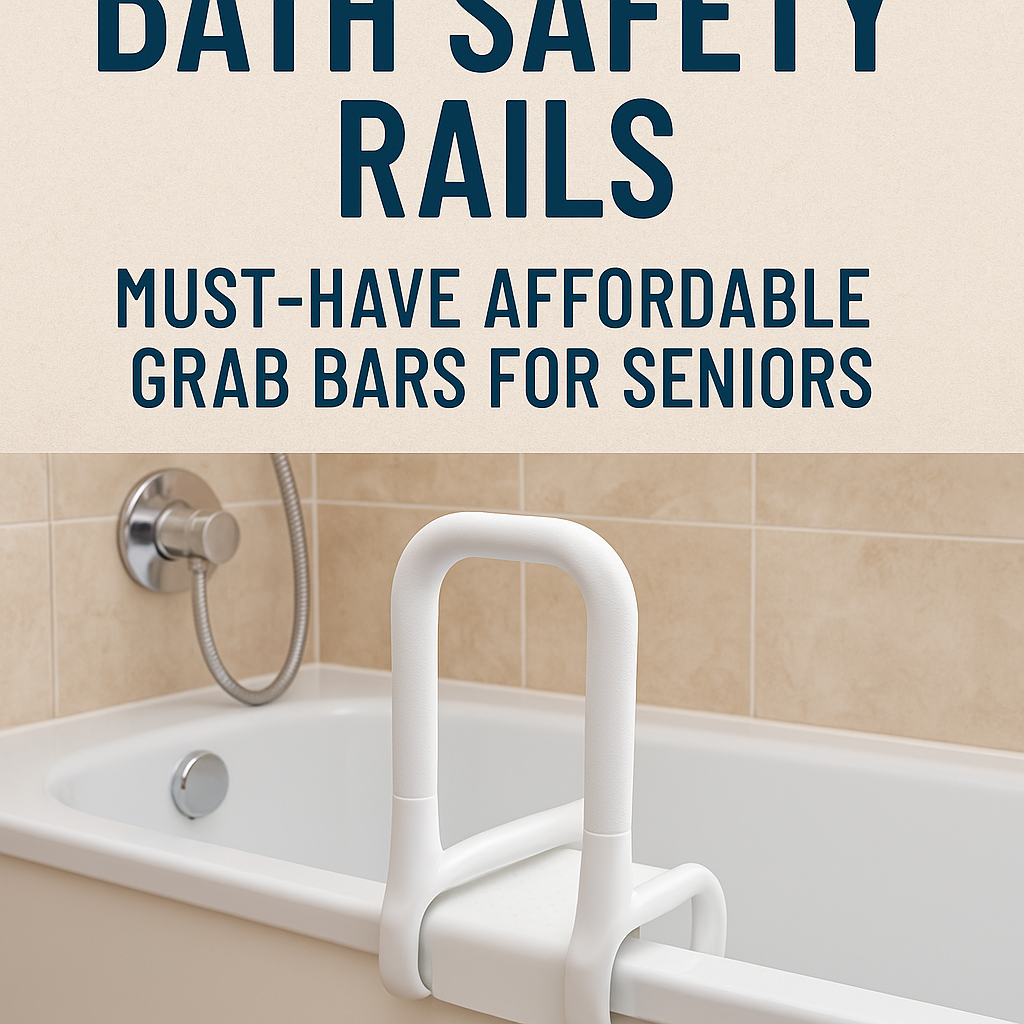
A Comprehensive Guide to Selecting Bath Safety Rails and Grab Bars
Falls in the bathroom are a leading cause of injury among seniors and individuals with limited mobility. Selecting bath safety rails and grab bars that are properly designed, durable, and correctly installed can dramatically reduce the risk of accidents, enhance user confidence, and promote independence. For healthcare importers, distributors, and elderly care buyers, understanding the distinctions between various types, materials, and installation best practices is essential to providing effective and reliable safety solutions.
Types of Bath Safety Rails and Grab Bars
Choosing the right type of safety rail or grab bar depends largely on the user’s specific needs and the bathroom layout. Here are the main categories commonly used in healthcare settings and residential care environments:
Straight Grab Bars
Straight grab bars are the most versatile and widely used option. Available in lengths from 30 cm to 90 cm, they fit well beside toilets, tubs, and shower entrances to provide simple, reliable support.
Angled Grab Bars (45°–90°)
These bars combine vertical and horizontal support, helping users transition smoothly from sitting to standing with minimal reach and strain. Their angular design makes them a preferred choice along staircases and near toilets.
Fold-Down/Flip-Up Rails
Ideal for narrow spaces or bathrooms shared by multiple users, these hinged rails fold neatly against the wall when not in use, maximizing accessibility without crowding the space.
Tub and Shower Rails
Curved or L-shaped grab bars follow the tub’s contour, offering continuous support along both the length of the tub wall and the end wall. These rails improve user stability while entering or exiting the tub.
Suction-Cup Rails (Temporary)
For renters or those requiring short-term solutions, suction-cup rails provide a no-drill option. However, their suction strength should be checked before every use to ensure reliability.
Material and Finish Considerations for Durability and Safety
The material and finish of bath safety rails significantly influence their performance, durability, and user comfort. Healthcare providers value options that balance strength with hygiene and aesthetics.
Stainless Steel
Stainless steel is corrosion-resistant and supports up to 300 kg load capacity, making it the gold standard for healthcare installations. Textured or knurled finishes enhance grip and reduce the risk of slips.
Aluminum Alloy
Lightweight and rust-proof, aluminum alloy is suitable for humid environments such as bathrooms. Anodizing treatments add durability and offer color customization options for matching décor.
Plastic-Coated Steel
Combining a steel core with a PVC or nylon coating, these bars offer a warm, non-slip grip. They come in various colors to blend seamlessly into different bathroom designs.
Antimicrobial Coatings
In environments requiring strict hygiene—such as hospitals and care facilities—grab bars with built-in silver ion or copper additives inhibit bacterial growth, providing an added layer of safety.
Installation Best Practices for Optimal Safety
Proper installation is critical to ensure grab bars function as needed without risk of detachment or failure.
Wall Substrate Assessment
Safety rails must be anchored into solid backing such as wall studs or reinforced blocking. In cases where this is not possible, toggle bolts rated for loads exceeding 150 kg must be used. Mounting bars solely to drywall is unsafe and should be avoided.
Height and Positioning
- Toilet area: Install grab bars approximately 65 cm from floor to center of the bar, positioned 30 cm from the rear wall.
- Shower area: Vertical bars should be mounted around 90 cm high, while horizontal bars are typically installed at seat height (about 45 cm).
Complying with local building codes and ADA guidelines ensures accessibility and safety standards are met.
Correct Fasteners
Use stainless steel lag screws or heavy-duty anchors as specified by manufacturer instructions. The correct length and type of fastener are essential for secure mounting.
Professional Installation
For commercial or medical facility projects, hiring certified installers guarantees compliance and quality assurance. Home installations should utilize tools such as stud finders, levels, and torque-rated drill bits for accuracy.
Maintenance and Inspection for Longevity
Ongoing maintenance is key to ensuring long-term safety and reliability.
Regular Safety Checks
Inspect grab bars monthly for wobble, corrosion, or signs of wear. Apply firm downward and outward pressure to test load capacity physically.
Cleaning Recommendations
Use mild detergents and water to clean bars, avoiding harsh chemicals that can degrade coatings. For antimicrobial bars, follow manufacturer-specific disinfectant guidelines.
Re-Tightening and Replacement
Re-tighten screws at the first sign of loosening. Replace any bars that show visible bending, cracks, or extensive surface damage to maintain safety integrity.
Conclusion: Ensuring Safe Bathroom Environments with Trusted Solutions
Selecting and installing the appropriate bath safety rails and grab bars is vital for creating fall-free, safe bathrooms for seniors and those with limited mobility. Tenrova Healthcare specializes in offering a comprehensive range of grab bars made with stainless steel, aluminum, and plastic-coated steel, available in multiple sizes and configurations. Our products come complete with mounting hardware and detailed installation guides designed for healthcare importers, distributors, and elderly care buyers.
Browse Tenrova Healthcare’s Bathroom Safety Collection today or contact our experts for personalized advice, CAD mounting templates, and free sample trials to meet your facility’s unique requirements.
Contact Tenrova Healthcare now to elevate your bathroom safety offerings with products you can trust.A Comprehensive Guide to Selecting Bath Safety Rails and Grab Bars
Bath safety rails and grab bars are essential components in creating a secure and accessible bathroom environment, especially for seniors and individuals with limited mobility. Falls in the bathroom remain a leading cause of injury within these groups, making the proper selection and installation of safety rails critical for preventative care. This guide aims to provide healthcare importers, distributors, and elderly care buyers with detailed insights into the types of grab bars available, crucial material and design considerations, installation best practices, and maintenance tips to ensure lasting safety and functionality.
Types of Bath Safety Rails and Grab Bars
Understanding the variety of grab bars on the market enables healthcare providers and distributors to meet diverse client needs effectively. Each type offers unique features suited to different bathroom layouts and user requirements.
Straight Grab Bars
Straight grab bars offer versatility and simplicity, commonly available in lengths ranging from 30 cm to 90 cm. These bars are ideal for placement beside toilets, bathtubs, and shower entrances, providing essential support during transfers and standing.
Angled (45°–90°) Grab Bars
Angled grab bars combine vertical and horizontal support within one device, typically installed at a 45° to 90° angle. This design facilitates smooth transitions from sitting to standing positions, minimizing the reach distance and maximizing user stability.
Fold-Down/Flip-Up Rails
These innovative rails feature a hinged design that allows them to fold flat against the wall when not in use. They are perfect solutions for narrow bathrooms or multi-user environments where space optimization is critical.
Tub and Shower Rails
Tub and shower rails are specifically shaped—often curved or L-shaped—to follow the contours of the bathtub or shower enclosure. These provide continuous support along the length of the tub wall and around corners, significantly reducing slip and fall risks during bathing activities.
Suction-Cup Rails (Temporary)
For short-term or rental situations, suction-cup grab bars provide a no-drill, easily removable solution. While practical, users must verify the suction integrity before every use to ensure continued safety.
Material and Design Considerations for Bath Safety Rails and Grab Bars
Selecting the right material affects durability, corrosion resistance, and user comfort. Healthcare distributors should prioritize quality and compliance with healthcare facility standards.
Stainless Steel
Stainless steel grab bars are highly corrosion-resistant and can support loads up to 300 kg, making them suitable for residential and commercial use. Textured or knurled finishes enhance slip resistance, providing added safety.
Aluminum Alloy
Lightweight and rust-proof, aluminum alloy is ideal for humid environments like bathrooms. Often anodized, these bars come with added durability and offer color variety to better integrate with bathroom aesthetics.
Plastic-Coated Steel
These grab bars combine the strength of steel with a warm, non-slip plastic coating made from PVC or nylon. Available in various colors, they offer both safety and style customized for users’ preferences.
Antimicrobial Coatings
In care facilities and high-traffic bathrooms, antimicrobial grab bars embedded with silver ion or copper additives inhibit bacterial growth, promoting hygiene as well as safety.
Installation Best Practices for Bath Safety Rails and Grab Bars
Proper installation is as important as product selection to guarantee user safety and compliance with industry standards.
Wall Substrate Assessment
Grab bars must be fastened securely to solid backing such as wall studs or reinforced blocking. Mounting directly on drywall alone is insufficient unless supported with toggle bolts rated for at least 150 kg.
Height and Positioning
Optimal height positioning depends on the application:
- Toilet area: 65 cm from floor to center of the bar and 30 cm from the rear wall
- Shower area: 90 cm for vertical bars; horizontal bars at seat level (approximately 45 cm)
Compliance with local building codes and ADA guidelines is imperative.
Correct Fasteners
Use stainless-steel lag screws or heavy-duty anchors specific to the grab bar manufacturer’s recommendations for length and type. This ensures long-lasting safety and prevents premature loosening.
Professional Installation
In commercial or medical settings, hiring certified installers guarantees code compliance and enhanced safety. For home or smaller-scale setups, installers should employ stud finders, levels, and torque-rated drill bits for precision.
Maintenance and Inspection of Bath Safety Rails and Grab Bars
Routine care preserves functionality and prevents accidents caused by worn or loosened equipment.
Regular Safety Checks
Monthly inspections should check for wobbling, corrosion, or damage to fasteners. Testing load capacity by applying firm downward and outward pressure helps confirm stability.
Cleaning Recommendations
Clean grab bars with mild detergent and water to maintain surface integrity. Avoid harsh chemicals that can degrade coatings. For antimicrobial grab bars, follow manufacturer-recommended disinfectants.
Re-Tightening and Replacement
Screws and anchors must be re-tightened at the first sign of loosening. Replacement is necessary if any bend, crack, or significant surface damage is detected.
Conclusion and Call to Action
Selecting and installing appropriate bath safety rails and grab bars is paramount for reducing bathroom fall risks, enhancing stability, and encouraging independence among seniors and mobility-limited individuals. At Tenrova Healthcare, we provide a comprehensive range of stainless-steel, aluminum, and plastic-coated grab bars engineered for durability and safety across various configurations. We also supply all necessary mounting hardware for an efficient installation process.
Healthcare importers, distributors, and elderly care providers are invited to browse our extensive Bathroom Safety Collection. Contact our specialists today for personalized recommendations, CAD mounting templates, and free sample trials to help you deliver superior bathroom safety solutions tailored to your clients’ needs.
Tenrova Healthcare – Your Trusted Partner in Advanced Bathroom Safety Solutions.# A Comprehensive Guide to Selecting Bath Safety Rails and Grab Bars
Bath safety rails and grab bars are essential components in reducing falls and injuries, particularly among seniors and individuals with limited mobility. Choosing the right bath safety rails and grab bars can significantly improve bathroom safety, enhance user confidence, and promote independence. This guide provides healthcare importers, distributors, and elderly care buyers with expert insights on types, materials, installation, and maintenance of these vital safety products.
Types of Bath Safety Rails and Grab Bars
Understanding the variety of available safety rails and grab bars ensures that you can supply the most suitable options for your customers.
Straight Grab Bars
Straight grab bars are the most versatile and widely used type. Typically available in lengths ranging from 30 cm to 90 cm, they are ideal for installation beside toilets, bathtubs, and shower entrances. Their simple design supports a wide range of bathroom environments and user needs.
Angled (45°–90°) Grab Bars
Angled grab bars combine vertical and horizontal support, providing ergonomic assistance for users transitioning from sitting to standing. Their dual orientation reduces strain and requires minimal reach, particularly helpful for seniors with limited upper body strength.
Fold-Down/Flip-Up Rails
Fold-down or flip-up rails feature a hinged design that folds neatly against the wall when not in use. This space-saving solution suits narrow bathrooms or facilities that serve multiple users, allowing flexible support as needed.
Tub and Shower Rails
Specifically shaped to conform to the contours of bathtubs, these bars are curved or L-shaped, providing continuous support along the tub’s length and end walls. These bars enhance stability when entering, exiting, or moving within the bathing area.
Suction-Cup Rails (Temporary)
Suction-cup rails offer a no-drill, temporary solution for renters or short-term needs. While convenient, their suction integrity must be carefully monitored before every use to ensure safety. They are not recommended for long-term or high-risk users.
Material and Finish Considerations for Optimal Durability and Safety
Selecting materials and finishes is critical for product longevity, safety, and aesthetics in humid bathroom environments.
Stainless Steel
Stainless steel is the gold standard for grab bars due to its superior corrosion resistance and ability to support loads up to 300 kg. A textured or knurled finish enhances slip resistance, making these bars reliable for commercial and residential use.
Aluminum Alloy
Aluminum alloy bars are lightweight and rust-proof, perfectly suited for humid settings. They often feature anodized coatings that add durability and a range of color options to complement bathroom décor.
Plastic-Coated Steel
Grab bars combining a steel core with a plastic coating (usually PVC or nylon) offer a warm, non-slip grip. The coating not only improves comfort but also comes in various colors, enhancing product appeal without compromising strength.
Antimicrobial Coatings
Advanced antimicrobial finishes, incorporating silver-ion or copper additives, inhibit bacterial growth on surfaces. This feature is highly recommended for healthcare facilities and other high-traffic bathrooms demanding rigorous hygiene standards.
Installation Best Practices to Ensure Maximum Safety
Proper installation is vital to the effectiveness of bath safety rails and grab bars.
Wall Substrate Assessment
Always mount grab bars into solid wall supports such as studs, reinforced blocking, or using specialized anchors. Avoid depending solely on drywall; if necessary, use toggle bolts rated for at least 150 kg to guarantee secure attachment.
Height and Positioning Guidelines
- Toilet Area: Position grab bars approximately 65 cm from the floor to the center and 30 cm from the rear wall for optimal support.
- Shower Area: Vertical bars should be installed around 90 cm from the floor, while horizontal bars are best positioned at seat height, roughly 45 cm.
- Compliance with local building codes and ADA guidelines is essential, especially in commercial and medical settings.
Correct Fasteners
Only use stainless-steel lag screws or heavy-duty anchors as specified by manufacturers. Proper fasteners ensure long-term security and load-bearing capacity.
Professional Installation
For commercial facilities and care centers, engage certified installers to guarantee code compliance. Home installations require tools such as stud finders, levels, and torque-rated drill bits to achieve safe and precise mounting.
Maintenance and Inspection for Longevity and User Safety
Ensuring that grab bars remain secure and functional over time is critical.
Regular Safety Checks
Monthly inspections for any wobbling, corrosion, or loose fasteners help prevent accidents. Apply firm downward and outward pressure to test the bars’ stability.
Cleaning Recommendations
Use mild detergents with water for routine cleaning. Avoid harsh chemicals that may degrade protective coatings. For antimicrobial bars, follow manufacturer guidelines to maintain hygiene without damaging the surface.
Re-Tightening and Replacement
Re-tighten any screws or anchors at the earliest sign of loosening. Replace grab bars that exhibit bending, cracking, or severe surface damage promptly to maintain safety standards.
Conclusion: Equip Your Clients with the Best Bath Safety Rails and Grab Bars
Selecting and properly installing bath safety rails and grab bars are foundational to creating safer bathrooms that foster independence and reduce injury risk for seniors and mobility-challenged individuals. At Tenrova Healthcare, we offer a comprehensive range of high-quality stainless steel, aluminum, and plastic-coated grab bars, complete with all necessary mounting hardware.
Call to Action
Explore our Bathroom Safety Collection today or contact our expert specialists for personalized product recommendations, CAD mounting templates, and free sample trials. Partner with Tenrova Healthcare to provide durable, reliable, and compliant safety solutions that empower your customers to live confidently and securely.
Tenrova Healthcare – Your trusted partner in bath safety solutions for elderly care.# A Comprehensive Guide to Selecting Bath Safety Rails and Grab Bars
Bathroom safety rails and grab bars play a crucial role in reducing falls and injuries among seniors and individuals with limited mobility. These simple yet effective bathroom fixtures offer much-needed stability, helping users move confidently and independently within a potentially hazardous space. This comprehensive guide will help healthcare importers, distributors, and elderly care buyers understand the various types of grab bars, essential material and design considerations, best practices for installation, and maintenance tips, ensuring the selection of optimal bathroom safety solutions.
Types of Safety Rails and Grab Bars
When selecting bath safety rails and grab bars, it is important to consider the different designs available to suit specific bathroom needs and user requirements.
Straight Grab Bars
Straight grab bars are the most versatile option, available in lengths typically ranging from 30 cm to 90 cm. They are ideal for installation beside toilets, bathtubs, and shower entrances, providing reliable support during transfers or standing.
Angled (45°–90°) Grab Bars
These bars offer combined vertical and horizontal support in a single unit. The angled design facilitates easier transitions from sitting to standing by minimizing reach and improving leverage, especially beneficial for users with limited upper body strength.
Fold-Down and Flip-Up Rails
Fold-down or flip-up rails feature a hinged design that folds flat against the wall when not in use. They maximize space efficiency, making them perfect for narrow bathrooms or multi-user environments such as care facilities.
Tub and Shower Rails
Specifically designed to follow the contours of bathtubs, these curved or L-shaped rails provide continuous support along the tub wall and end wall, helping users maintain balance while entering or exiting the tub.
Suction-Cup Rails (Temporary Solutions)
Suction-cup rails offer a no-drill, portable solution for those who rent or require short-term assistance. While ideal for temporary use, it is vital to check the suction strength before each use to prevent accidents.
Material and Finish Considerations for Grab Bars
Selecting the right material and finish can enhance durability, safety, and hygiene—important factors for healthcare settings and home care.
Stainless Steel
Stainless steel grab bars are corrosion-resistant and can support loads up to 300 kg. Features such as textured or knurled finishes improve grip by reducing slips, making them highly reliable in wet environments.
Aluminum Alloy
Lightweight and rust-proof, aluminum alloy bars are suitable for humid bathrooms. Anodized aluminum offers additional protection and color options, allowing customization to bathroom décor.
Plastic-Coated Steel
These bars incorporate a steel core for strength, wrapped in a warm, non-slip coating made from PVC or nylon. Available in multiple colors, they add both safety and aesthetic appeal.
Antimicrobial Coatings
Bars with built-in silver ion or copper additives inhibit bacterial growth, making them ideal for care facilities and heavily frequented bathrooms where hygiene is of paramount importance.
Installation Best Practices for Bath Safety Rails and Grab Bars
Proper installation is essential to ensure maximum effectiveness and safety.
Wall Substrate Assessment
Grab bars must be mounted securely to solid wall backing such as studs or reinforced blocking. Drywall alone is insufficient; if studs are not accessible, toggle bolts rated for at least 150 kg should be used to ensure adequate support.
Height and Positioning
- Toilet area: Install the grab bar approximately 65 cm from the floor to its center and 30 cm from the rear wall.
- Shower area: Vertical bars should be installed at about 90 cm height; horizontal bars near the seat level, around 45 cm.
Follow local building codes and ADA guidelines to ensure compliance.
Correct Fasteners
Use stainless-steel lag screws or heavy-duty anchors recommended by manufacturers. Fasteners must be the correct length and type to maximize load-bearing capacity.
Professional Installation
For commercial or medical facilities, engage certified installers to meet regulatory requirements. Home installations benefit from tools such as stud finders, levels, and torque-rated drill bits for precise and safe mounting.
Maintenance and Inspection of Grab Bars
Maintaining grab bars enhances longevity and user safety.
Regular Safety Checks
Monthly inspections should be conducted, checking for wobbling, corrosion, or loose fasteners. Apply firm downward and outward pressure to test stability.
Cleaning Recommendations
Clean grab bars with mild detergent and water, avoiding harsh chemicals that could degrade the protective coatings. For antimicrobial bars, follow manufacturer guidance on disinfectants.
Re-Tightening and Replacement
Tighten any loose screws immediately. Replace bars that display bending, cracks, or significant surface damage to avoid potential failure.
Conclusion: Ensure Safety and Confidence with the Right Bath Safety Rails and Grab Bars
Selecting and installing the appropriate bath safety rails and grab bars is essential to create a safer bathroom environment for seniors and those with mobility challenges. By considering the variety of types, materials, and professional installation techniques discussed, healthcare buyers and distributors can make informed decisions that promote independence and reduce injury risks.
At Tenrova Healthcare, we provide a comprehensive range of grab bars crafted from stainless steel, aluminum, and plastic-coated steel, available in multiple configurations and sizes. Each product comes with all the necessary mounting hardware and detailed installation guides. Explore our Bathroom Safety Collection today, or contact our experts for tailored advice, CAD mounting templates, and free sample trials to support your procurement needs.
Contact Tenrova Healthcare now to enhance bathroom safety solutions and deliver peace of mind to your clientele.