
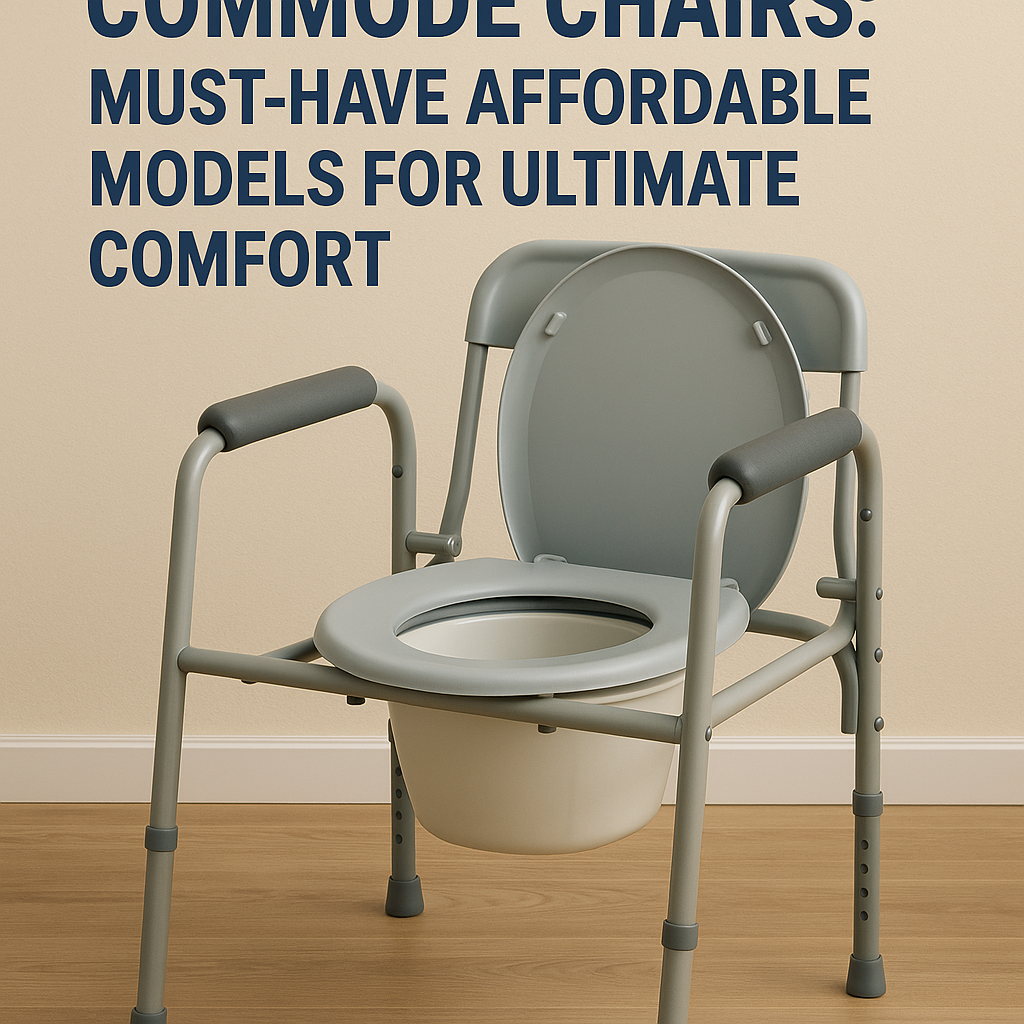
The Ultimate Guide to Commode Chairs: Types, Key Features & How to Choose the Right Model
When selecting a commode chair for seniors, post-surgery patients, or individuals with limited mobility, understanding the various types and essential features is crucial. Commode chairs play a significant role in promoting independence, safety, and hygiene in daily toileting routines. This comprehensive guide will help healthcare importers, distributors, and elderly care buyers make informed decisions to meet diverse care needs efficiently.
Types of Commode Chairs
Bedside Commode Chairs (2-in-1 & 3-in-1 Models)
Bedside commode chairs offer versatile solutions that combine multiple functions into a single unit. Many models convert between a bedside commode, over-toilet frame, and sometimes a shower chair. For example, the CCB5104 Bath & Commode Chair features a stylish wood-grain finish and supports up to 150 kg, making it ideal for homecare and assisted living environments. The multi-function design minimizes space consumption and simplifies caregiving routines.
Over-Toilet Safety Frames (Raised-Seat Commode)
Over-toilet safety frames fit directly onto existing toilet bowls to raise seat height and provide sturdy armrests for support. These are especially valuable for temporary use, such as post-surgery recovery. The RTS-ZG01 Adjustable Toilet Safety Frame is a prime example with tool-free installation and height adjustability, supporting up to 200 kg, making it perfect for rehabilitation centers and short-term care facilities.
Mobile Commode Chairs with Wheels
Mobile commode chairs equipped with casters allow for full functionality combined with ease of transport. Designed with smooth-rolling 3″ TPR casters and dual brakes, models like the CCW631A Mobile Commode Chair offer safe and convenient patient transfers within hospitals and nursing homes. Additional features may include foldable footrests and quick-release buckets for added comfort and hygiene.
Heavy-Duty / Bariatric Commode Chairs
For bariatric clients, specialized commode chairs feature reinforced frames and wider seats to accommodate higher weight capacities safely. The CCW699C Aluminum Commode Chair boasts a load capacity of 125 kg and durable PU wheels, ensuring long-term reliability and stability. These models meet both comfort and safety demands for heavier users.
Key Features to Evaluate When Choosing a Commode Chair
Frame Material & Finish
Choose between lightweight, rust-proof aluminum alloy or robust steel frames based on requirements. An anodized or powder-coated finish enhances moisture resistance and durability, essential for wet environments such as bathrooms and shower areas.
Height Adjustability
Multi-level height adjustments—typically ranging between 50 cm and 85 cm—are vital to ensure proper posture and ease of transfers. Mechanisms vary from push-button systems to screw adjustments, catering to different user preferences.
Seat Design & Comfort
Evaluate seat options including removable plastic or padded PVC seats with hinged lids. U-shaped or split seats provide improved hygiene and easy cleaning. Comfort-focused designs reduce pressure points and enhance user experience.
Wheels & Braking Systems
Silent TPR casters versus fixed PU wheels impact mobility and noise levels. Dual-function braking systems enable confident locking and unlocking during transfers, minimizing fall risks.
Armrests, Footrests & Mobility Aids
Flip-up or fixed armrests simplify lateral transfers, while foldable footrests and anti-tilt bars add stability and safety, particularly during prolonged sitting periods.
Portability & Storage
Foldable frames and tool-free assembly allow for compact storage and fast transport, beneficial for healthcare facilities with limited space or frequent patient mobility.
Matching Commode Chairs to User Needs
Homecare & Assisted Living
Opt for bedside commodes with 2-in-1 functionality, such as the CCB5104, that combine style, ease of cleaning, and strong load capacity, accommodating diverse living situations comfortably.
Hospitals & Nursing Homes
Mobile commodes like the CCW631A facilitate patient transfers with features tailored for safety, including dual brakes and foldable footrests, combined with a compact, foldable design for easy storage.
Rehabilitation Centers & Post-Surgery Care
Adjustable over-toilet frames such as the RTS-ZG01 support temporary recovery needs with simple setup, ample load capacity, and adjustable height, streamlining the healing process.
Bariatric Clients
Heavy-duty commode chairs like the CCW699C offer reinforced construction and durable wheels, ensuring secure support and long-lasting performance.
Installation & Maintenance Tips
Assembly & Setup
Adhere closely to manufacturer instructions, ensuring all fasteners are securely tightened. Test brakes and wheels before first usage to guarantee user safety.
Cleaning & Hygiene
Regularly empty and clean commode buckets with mild detergents. Disinfect seats, frames, and armrests to prevent bacterial growth and odor development.
Inspection & Replacement
Conduct monthly checks for loose screws, cracks, or wear on casters and other components. Replace worn rubber tips, brake pads, and seat parts promptly to maintain optimal functionality.
Conclusion
Selecting the right commode chair requires balancing frame strength, adjustability, comfort, and safety tailored to the user’s environment and mobility needs. Tenrova Healthcare offers a comprehensive range of commode chairs—from versatile bedside models to robust heavy-duty units—designed to meet rigorous CE, FDA, and ISO13485 standards. Browse our Commode Chair Collection today or contact our experts for personalized advice, CAD mounting templates, and free sample trials to ensure the best care solutions.
Ready to find the ideal commode chair for your clients?
Contact Tenrova Healthcare’s team now for expert guidance and exclusive product options tailored to your healthcare facility’s unique needs.The Ultimate Guide to Commode Chairs: Types, Key Features & How to Choose the Right Model
Commode chairs are essential assistive devices that significantly improve toileting safety, comfort, and dignity for seniors, post-surgery patients, and individuals with restricted mobility. For healthcare importers, distributors, and elderly care providers, understanding the various types and features of commode chairs is critical to offering suitable, high-quality products to end-users. This comprehensive guide delves into the primary commode chair models, highlights vital specifications, matches chairs to user needs, and shares expert maintenance advice to aid your selection process.
Understanding the Different Types of Commode Chairs
Selecting the right commode chair begins with knowing the product variations available in the market. Each type addresses specific care environments and mobility demands.
Bedside Commode Chairs (2-in-1 & 3-in-1 Models)
These versatile units combine bedside commode functionality with features such as an over-toilet frame or shower chair capabilities. Their adaptability makes them ideal for homecare and assisted living settings. For instance, the CCB5104 Bath & Commode Chair features a stylish wood-grain finish and supports up to 150 kg, offering usability both as a portable toilet and a shower aid.
Over-Toilet Safety Frames (Raised-Seat Commode)
Height-adjustable safety frames fit securely over an existing toilet bowl, raising the seat for easier access and safer transfers. These units are typically lightweight with tool-free installation, like the RTS-ZG01 Adjustable Toilet Safety Frame. Such models are favored in rehabilitation centers or post-surgery care, supporting up to 200 kg and enhancing user independence.
Mobile Commode Chairs with Wheels
Designed for easy transport, mobile commodes feature casters with locking brakes to ensure stability during movement. The CCW631A Mobile Commode Chair includes 3″ thermoplastic rubber (TPR) casters and foldable footrests, facilitating safe transfers and patient mobility in hospitals and nursing homes.
Heavy-Duty / Bariatric Commode Chairs
These chairs are engineered with reinforced frames, wider seats, and premium casters to support higher weight capacities. The CCW699C Aluminum Commode Chair offers a robust build with a 125 kg maximum load and polyurethane (PU) wheels, making it suitable for bariatric clients requiring durable and stable toileting solutions.
Key Features to Evaluate When Choosing a Commode Chair
An effective commode chair balances durability, adjustability, comfort, and safety. When sourcing or recommending models, consider the following critical factors.
Frame Material and Finish
Aluminum alloys provide a lightweight and rust-resistant framework, ideal for moisture-prone environments. Alternatively, steel frames offer enhanced robustness and higher load capacities but require anodized or powder-coated finishes to prevent corrosion.
Height Adjustability
Chairs with multi-level push-button or screw adjustments allow personalized seat height configuration, typically between 50–85 cm. Correct height ensures ergonomic posture, reduces strain during transfers, and promotes user security.
Seat Design and Comfort
The seat should facilitate hygiene and ease of cleaning. Removable plastic or padded PVC seats with hinged lids are common. Options such as U-shaped or split seats offer additional hygiene benefits, particularly for caregivers assisting with toileting.
Wheels and Braking System
High-quality silent TPR casters improve maneuverability while dual-function brakes (locking and unlocking) ensure stationary stability when the chair is in use. PU fixed wheels offer durability but less mobility.
Armrests, Footrests, and Mobility Aids
Flip-up or fixed armrests assist lateral transfers, and foldable footrests provide support without obstructing movement. Anti-tilt bars or additional safety aids enhance overall stability.
Portability and Storage
Foldable frames and quick-release assemblies facilitate compact storage and transport, essential for multi-setting use and ease of cleaning.
Matching Commode Chairs to User Needs
Understanding client requirements ensures appropriate model selection aligned with care environments.
- Homecare & Assisted Living: Bedside 2-in-1 commodes such as the CCB5104 offer flexibility for shower and toilet use with easy maintenance and a 150 kg capacity.
- Hospitals & Nursing Homes: Mobile commode chairs with sizeable wheels and reliable brakes like the CCW631A promote safe patient transport. Features like foldable footrests and detachable buckets aid caregivers.
- Rehabilitation & Post-Surgery Care: Adjustable over-toilet frames like the RTS-ZG01 allow quick, tool-free setup, perfect for temporary needs with a 200 kg load rating.
- Bariatric Care: Heavy-duty commodes such as the CCW699C support higher weights with reinforced frames and sturdy PU wheels, ensuring safe and comfortable use.
Installation and Maintenance Best Practices
For optimal performance and longevity, proper installation and maintenance are crucial.
- Assembly & Setup: Follow manufacturer instructions precisely. Confirm all fasteners are secure, and test brake functionality alongside wheel operation before initial use.
- Cleaning & Hygiene: Empty commode buckets promptly and clean with mild detergents after every use. Disinfect frames, seats, and armrests regularly to prevent bacterial buildup and eliminate odors.
- Inspection & Replacement: Conduct monthly checks for loose screws, damaged plastic components, or worn wheels. Replace rubber tips, brake pads, or seat parts immediately if wear is detected to maintain safety standards.
Conclusion: Partnering with Tenrova Healthcare for Reliable Commode Chair Solutions
Choosing the right commode chair requires a comprehensive understanding of the variety of types, key features, and user-specific needs. Tenrova Healthcare offers an extensive portfolio of commode chairs — from adaptable bedside 2-in-1 models to heavy-duty bariatric chairs — all compliant with CE, FDA, and ISO13485 quality standards.
For healthcare importers, distributors, and elderly care buyers seeking trusted products, Tenrova provides expert consultation, CAD mounting templates, and free sample trials to ensure your offerings align perfectly with client requirements.
Browse our Commode Chair Collection today or contact Tenrova Healthcare specialists for personalized guidance and partnership opportunities. Empower your customers with safe, comfortable, and dignified toileting solutions backed by industry-leading support.# The Ultimate Guide to Commode Chairs: Types, Key Features & How to Choose the Right Model
Commode chairs serve as essential toileting solutions that significantly improve dignity, safety, and comfort for seniors, post-surgery patients, and individuals with limited mobility. These versatile aids support independent living while reducing the physical strain on caregivers. Whether positioned beside the bed, integrated into bathroom settings, or designed as mobile units, selecting the right commode chair requires careful consideration of types, features, and user needs. This comprehensive guide from Tenrova Healthcare will walk you through all you need to know to make an informed choice.
Types of Commode Chairs
Understanding the various types of commode chairs is the first step in matching the right equipment to your care environment.
Bedside Commode (2-in-1 & 3-in-1 Models)
Bedside commodes provide flexible toileting options close to the user’s resting area. Many models include multifunctionality, converting between bedside use, over-toilet frames, and shower chairs.
- Example: CCB5104 Bath & Commode Chair (2-in-1)
Features a stylish wood-grain finish and supports up to 150 kg. It is easy to clean and ideal for homecare or assisted living settings.
Over-Toilet Safety Frame (Raised-Seat Commode)
These frames fit directly onto an existing toilet bowl to raise the seat height, providing safer and easier transfers for individuals with mobility restrictions.
- Example: RTS-ZG01 Adjustable Toilet Safety Frame
Tool-free installation, adjustable height, and supports up to 200 kg. Perfect for temporary rehabilitation or post-surgery recovery.
Mobile Commode Chair with Wheels
Equipped with casters and brakes, mobile commodes offer full functionality for toileting on the move, especially useful in hospitals and nursing homes to enhance patient transport.
- Example: CCW631A Mobile Commode Chair
Includes 3″ TPR silent wheels, dual brakes, foldable footrests, and supports up to 125 kg for safety and convenience.
Heavy-Duty / Bariatric Commode Chair
Tailored for bariatric users, these chairs feature reinforced frames, wider seats, and robust casters to support heavier weights.
- Example: CCW699C Aluminum Commode Chair
Handles load capacity up to 125 kg with PU wheels, ensuring durability without sacrificing mobility.
Key Features to Evaluate When Choosing a Commode Chair
Selecting the right model involves assessing vital features to meet both user comfort and caregiver ease.
Frame Material & Finish
- Aluminum alloys offer lightweight, rust-resistant construction.
- Steel frames provide maximum robustness and weight capacity.
- Anodized or powder-coated finishes enhance moisture resistance to prevent corrosion.
Height Adjustability
- Adjustable options (push-button or screw mechanisms) typically range from 50 to 85 cm.
- Enables proper ergonomic posture and easier transfers, reducing fall risk.
Seat Design & Comfort
- Removable plastic or padded PVC seats with hinged lids are common.
- U-shaped or split seats support hygiene management and maintenance.
Wheels & Braking System
- Choose between silent TPR casters for smooth movement or PU fixed wheels for stability.
- Dual-function brakes lock wheels safely during transfers to prevent slipping.
Armrests, Footrests & Mobility Aids
- Flip-up or fixed armrests facilitate lateral transfers.
- Foldable footrests increase comfort and accommodate different leg lengths.
- Anti-tilt bars can add stability, especially on mobile units.
Portability & Storage
- Foldable frames ensure compact storage and easier transport.
- Tool-free assembly and quick-release components simplify setup and maintenance.
Matching Commode Chairs to User Needs
Different care settings require specific commode chair features.
Homecare & Assisted Living:
A bedside commode with 2-in-1 conversion supports shower and toilet use—recommended model: CCB5104.Hospitals & Nursing Homes:
Mobile commodes with large wheels and reliable brakes support safe patient transfer—recommended model: CCW631A.Rehabilitation Centers & Post-Surgery Care:
Over-toilet safety frames engineered for ease of use and adjustability—recommended model: RTS-ZG01.Bariatric Clients:
Heavy-duty commodes with reinforced frames and premium casters ensure durability—recommended model: CCW699C.
Installation & Maintenance Tips
Proper installation and upkeep extend the lifespan of commode chairs and maintain a safe environment.
- Assembly: Follow manufacturer guidelines to securely tighten all fasteners, and verify brake and wheel functionality before first use.
- Cleaning: Empty and clean commode buckets after each use with mild detergent. Regularly disinfect all parts to prevent odor and bacterial growth.
- Inspection: Check monthly for loose screws, cracks, or worn components. Replace parts immediately when signs of wear appear.
Conclusion & Next Steps
Choosing the appropriate commode chair means balancing strength, adjustability, comfort, and safety to suit your unique care requirements. At Tenrova Healthcare, our extensive product range—from bedside multi-function commodes to heavy-duty wheeled models—meets stringent CE, FDA, and ISO13485 standards, ensuring quality and reliability.
Explore our Commode Chair Collection today or contact our specialists for expert advice, CAD mounting templates, and free sample trials designed for healthcare importers, distributors, and elderly care buyers.
Ready to find the perfect commode chair for your needs?
Visit Tenrova Healthcare online or speak with a product expert now to enhance patient comfort and caregiver efficiency with our trusted toileting solutions.# The Ultimate Guide to Commode Chairs: Types, Key Features & How to Choose the Right Model
Commode chairs are essential healthcare products that provide comfort, safety, and independence to seniors, post-surgery patients, and individuals with mobility challenges. As a vital part of daily care routines, these chairs improve hygiene management while reducing strain on caregivers. For healthcare importers, distributors, and elderly care buyers, understanding the different types of commode chairs and their key features is crucial to selecting the most appropriate model for various care settings. This comprehensive guide explores the major categories of commode chairs, highlights critical design aspects, and offers expert recommendations on matching chairs to user needs.
Types of Commode Chairs
Selecting the right commode chair starts with identifying the appropriate type based on the user’s mobility and environment. The range includes versatile bedside options, adjustable over-toilet frames, mobile wheeled models, and heavy-duty bariatric chairs.
Bedside Commode Chairs (2-in-1 & 3-in-1 Models)
Bedside commode chairs serve as portable toilets near the bed, ideal for users with limited ability to walk to the bathroom. Advanced 2-in-1 and 3-in-1 models can also function as shower chairs or adjustable over-toilet frames.
Example: The CCB5104 Bath & Commode Chair features a wood-grain finish, combines bedside and shower use, and supports up to 150 kg. Its multi-functionality makes it a preferred choice for homecare and assisted living environments.
Over-Toilet Safety Frames (Raised-Seat Commode)
These frames fit securely over existing toilets to raise the seat height, facilitating easier sitting and standing motions. Tool-free installation ensures convenience and adaptability for temporary recovery or rehabilitation.
Example: The RTS-ZG01 Adjustable Toilet Safety Frame offers a height range suitable for various users and supports up to 200 kg. It is designed for easy setup and enhanced safety in rehabilitation centers or post-surgery care.
Mobile Commode Chairs with Wheels
Equipped with swivel casters and locking brakes, mobile commodes enable safe patient transport within hospital wards or nursing homes. They improve mobility while maintaining hygiene standards.
Example: The CCW631A Mobile Commode Chair includes 3-inch thermoplastic rubber casters with dual brakes and foldable footrests, supporting up to 125 kg. Its lightweight yet robust design enhances both comfort and maneuverability.
Heavy-Duty / Bariatric Commode Chairs
For users requiring higher weight capacities, bariatric commodes have reinforced frames, wider seats, and premium wheels to ensure durability and stability.
Example: The CCW699C Aluminum Commode Chair handles up to 125 kg with PU wheels and a corrosion-resistant frame. This model is ideal for bariatric clients needing reliable support without compromising ease of use.
Key Features to Evaluate in Commode Chairs
When choosing a commode chair, the following features critically impact comfort, safety, and longevity.
Frame Material & Finish
- Aluminum Alloy: Lightweight, rust-proof, and easy to clean. Ideal for portability and moisture resistance.
- Steel: Offers robust strength and higher load capacities but typically heavier.
- Coating: Anodized or powder-coated surfaces extend corrosion resistance, particularly important in humid environments.
Height Adjustability
Multi-level push-button or screw-based height adjustments—from approximately 50 to 85 cm—enable proper user posture and facilitate safer transfers between bed and chair.
Seat Design & Comfort
Seats can be removable plastic or padded PVC, often with hinged lids. U-shaped or split seat designs enhance hygiene, allowing easier cleaning and access.
Wheels & Braking System
- Casters: Silent thermoplastic rubber (TPR) wheels provide smooth, quiet rolling.
- Brakes: Dual-function locking mechanisms secure the chair during use and release for easy movement.
Armrests, Footrests & Mobility Aids
Options include flip-up or fixed armrests supporting lateral transfers and foldable footrests for improved leg support. Some models incorporate anti-tilt bars, ensuring stability.
Portability & Storage
Foldable frames and tool-free assembly features simplify transportation and storage—key considerations for caregiving facilities with limited space.
Matching Commode Chairs to User Needs
Choosing the ideal commode chair depends on the care context, user mobility level, and setting requirements.
- Homecare & Assisted Living: A 2-in-1 bedside commode like the CCB5104 is perfect for versatile use, combining ease of cleaning and stylish design.
- Hospitals & Nursing Homes: The CCW631A mobile commode with wheels and brakes ensures patient safety during transport and room-to-room mobility.
- Rehabilitation & Post-Surgery: Adjustable over-toilet frames such as the RTS-ZG01 provide temporary, reliable support for recovery phases.
- Bariatric Clients: Heavy-duty chairs like the CCW699C deliver the necessary strength and comfort for higher weight capacities with durable components.
Installation & Maintenance Tips for Commode Chairs
Proper assembly and upkeep maximize safety and product lifespan.
- Assembly: Follow manufacturer guidelines carefully to secure all screws and fasteners. Check brakes and wheel movement before initial use.
- Cleaning: Regularly empty and wash the commode bucket with mild detergents. Disinfect the frame, seat, and armrests to prevent odors and bacterial buildup.
- Inspection: Conduct monthly inspections for loose screws, cracks, or wear on wheels and brakes. Replace worn parts promptly to maintain safety.
Conclusion & Next Steps
Selecting the right commode chair balances strength, adjustability, comfort, and safety features tailored to user needs. Tenrova Healthcare offers a comprehensive range of high-quality commode chairs designed to meet the rigorous standards of CE, FDA, and ISO13485 certifications. Whether you require multifunctional bedside units or heavy-duty bariatric models, our collection supports diverse care environments with trusted reliability.
Explore Tenrova Healthcare’s Commode Chair Collection today, or contact our specialists for personalized guidance, CAD mounting templates, and free sample trials. Empower your healthcare solutions with chairs that prioritize dignity and safety for every user.