
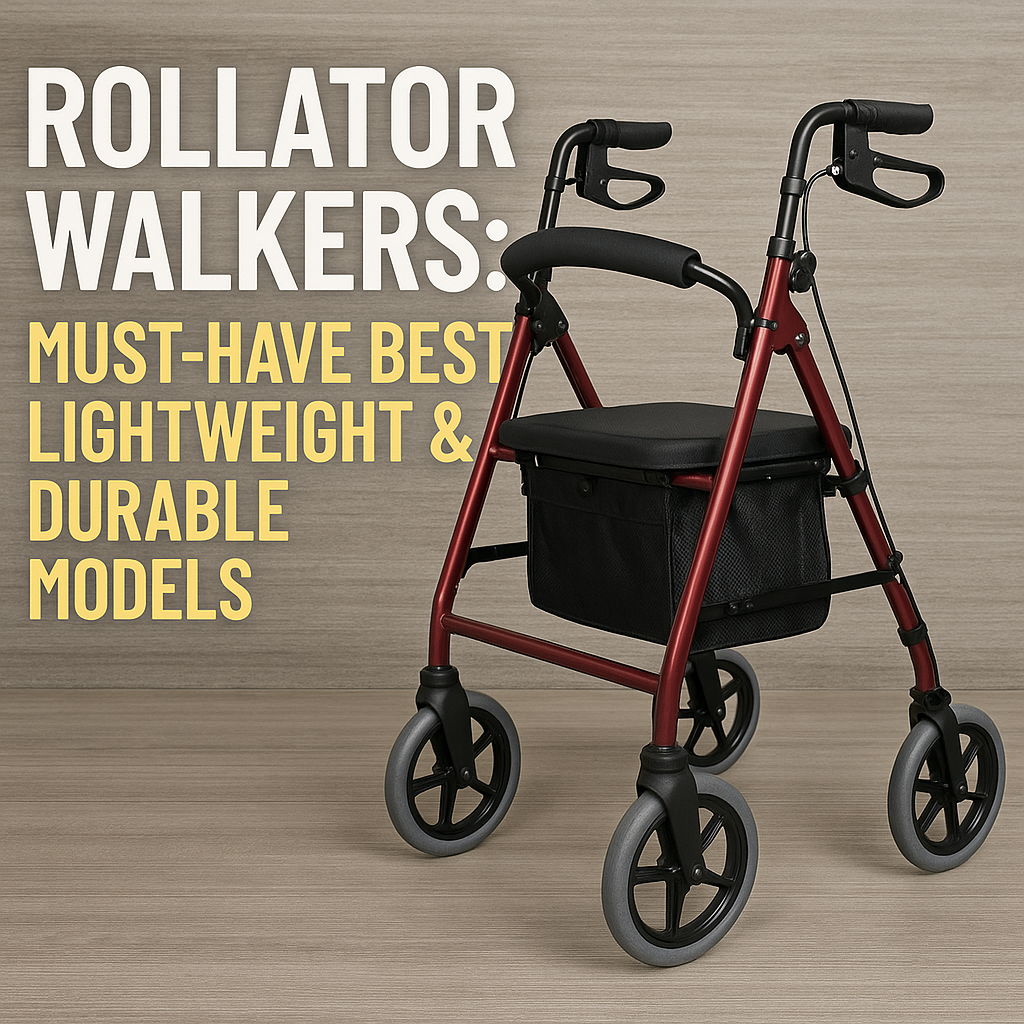
The Ultimate Guide to Rollator Walkers: Types, Key Features & Selection Tips
Rollator walkers are essential mobility aids designed to enhance the independence and safety of seniors, rehabilitation patients, and individuals seeking stable assistance both indoors and outdoors. Understanding the various types and features of rollators empowers healthcare importers, distributors, and elderly care buyers to make informed selection decisions that align with specific care needs. This ultimate guide explores the main categories of rollator walkers, key features to evaluate, and practical advice for choosing the right model to support diverse care settings.
Types of Rollator Walkers
Rollators come in several configurations, each tailored to different mobility requirements and environments. Selecting the appropriate type ensures optimal functionality and user comfort.
Upright Aluminium Walker
The upright aluminium walker, such as the FW913L, stands out for its simplicity and lightweight design. This no-wheels model promotes a natural standing posture, encouraging users to maintain balance and mobility without sacrificing stability. Key features include:
- Ultra-light 2.2 kg aluminium frame with adjustable height across 8 levels
- One-click fold mechanism for convenient storage and transport
- Compact design ideal for indoor use and less demanding mobility support
2-Wheel Rollator
Models like the FWTW913L offer front wheels that facilitate smooth navigation on both indoor surfaces and outdoor pathways. They balance maneuverability with stability and include features well-suited for everyday use:
- 5-inch wheels, ergonomic grips for hand comfort
- Load capacity of up to 100 kg
- Quick fold design, making travel and storage straightforward
4-Wheel Rollator with Seat
The FWTW7204 exemplifies this versatile category, combining mobility with resting options. It is ideal for users requiring frequent sit-down breaks or those recovering from surgery:
- 12 cm wheels built to manage uneven terrain
- PU flip-up seat alongside integrated storage bags
- Dual armrests to assist sit-to-stand transfers
- Alternating or fixed walking modes based on user preference
Heavy-Duty Steel Rollator
Heavy-duty steel rollators like the RL3513 are engineered for durability and heavier weight support. These models are often deployed in nursing homes and clinics:
- Powder-coated steel frame supporting up to 136 kg
- Large 8-inch PVC-coated wheels for stability
- Dual brake systems for precise stopping power
- Padded seats with under-seat storage for convenience
Shopping Rollator with Bag
Ideal for outdoor and grocery shopping needs, models such as the RL3508 combine portability with robust storage capabilities:
- Aluminium-steel composite frame balances strength and weight
- Ergonomic Textilene seat, swivel backrest, and a large shopping bag
- Foldable design with dual brakes, supporting up to 136 kg
Key Features to Evaluate When Choosing Rollator Walkers
Making an informed choice involves a thorough evaluation of critical features relevant to user needs and care environments.
Frame Material & Weight
- Aluminium alloy frames typically offer lightweight portability ideal for active users or travel.
- Steel frames provide increased durability and strength, suited for heavier patients or institutional use.
- Tube thickness, ranging from 1.2 mm to 1.5 mm, impacts overall frame stability.
Wheel Configuration
- Two-wheel models offer superior maneuverability in confined spaces, perfect for apartments or healthcare facilities.
- Four-wheel rollators provide enhanced stability and smoother rides over uneven terrain, better for outdoor usage.
Braking System
- Loop-style or lever hand brakes enable precise speed control.
- Parking brakes are essential for locking the rollator safely when stationary, adding an extra safety layer.
Seating and Storage
- Comfort features, such as PU or Textilene seats, should match the user’s weight restrictions.
- Storage options like under-seat bags or shopping baskets increase usability during outings or daily activities.
Handle and Height Adjustability
- Adjustable heights with 6 to 8 levels ensure the rollator fits the user’s leg length, improving ergonomics.
- Ergonomic, anti-slip grips help reduce hand fatigue during prolonged use.
Foldability and Portability
- Folding mechanisms that operate with one hand improve convenience.
- Compact folded dimensions facilitate travel and storage in small spaces.
Certifications and Compliance
- Look for internationally recognized certifications such as CE, FDA, and ISO13485.
- Manufacturer load-testing and quality inspections confirm safety and durability.
Matching Rollators to Care Settings
Correctly pairing the rollator type with the care environment amplifies user benefit.
- Homecare & Assisted Living: Lightweight, easy-to-fold models like FW913L and FWTW913L ensure ease of daily use and storage.
- Nursing Homes & Clinics: Heavy-duty steel models (e.g., RL3513) offer durability and comfort for prolonged institutional use.
- Rehabilitation & Post-Surgery: Adjustable rollators with seats and armrests, such as FWTW7204, support recovery with ample resting options.
- Outdoor & Shopping Use: Durable frames with large all-terrain wheels and ample storage, exemplified by RL3508, support active lifestyles.
- Bariatric Patients: High-capacity steel rollators rated above 136 kg provide the necessary strength and wider seating for safety.
Maintenance and Safety Checks
Regular inspection and maintenance extend rollator lifespan and ensure user safety:
- Weekly: Check wheel rotation, brake function, frame integrity, and handle tightness.
- Monthly: Clean frames with mild detergents; dry seats and bags thoroughly to prevent mold.
- Replacement: Replace worn rubber tips, brake pads, and loose fasteners promptly. Keep spare parts available to minimize downtime.
Conclusion: Choosing the Right Rollator Walker for Your Needs
Selecting the right rollator walker is a balance of weight, stability, comfort, and portability, tailored to the user’s lifestyle and care environment. Tenrova Healthcare offers a comprehensive range of rollator walkers—from ultra-light aluminium models to heavy-duty shopping rollators—each adhering to international certifications and rigorous quality standards.
For importers, distributors, and elderly care providers seeking trusted mobility solutions, Tenrova Healthcare stands ready to support your procurement needs. Explore our Rollator Walker Collection today or contact us for personalized recommendations, detailed product datasheets, and free sample trials to find the perfect match for your clientele.
Contact Tenrova Healthcare now and empower mobility with confidence.The Ultimate Guide to Rollator Walkers: Types, Key Features & Selection Tips
Rollator walkers play a vital role in enhancing mobility and independence for seniors, rehabilitation patients, and anyone requiring stable assistance. Understanding the variety of rollators available and their key features is essential for healthcare importers, distributors, and elderly care buyers who seek to provide optimal solutions to their clientele. This comprehensive guide delves into the main types of rollator walkers, the features that influence performance and comfort, and practical advice for selecting the best model to meet specific care needs.
Types of Rollator Walkers
To cater to diverse mobility requirements, rollators come in various configurations ranging from simple frame walkers to advanced models with seats and storage.
Upright Aluminium Walker
The Upright Aluminium Walker, exemplified by models like the FW913L, is designed without wheels to encourage a natural standing posture. Weighing a mere 2.2 kg, this lightweight frame supports users with 8 levels of height adjustment, allowing for proper ergonomic alignment. Its one-click fold mechanism enables easy storage and transport, making it ideal for indoor use and compact living spaces.2-Wheel Rollator
Models such as the FWTW913L incorporate two front wheels that facilitate smooth navigation on both indoor and outdoor surfaces. Featuring 5-inch wheels and ergonomic grips, this design supports up to 100 kg and includes a quick fold for convenience during travel. The maneuverability of a 2-wheel rollator is particularly beneficial in tight or crowded areas.4-Wheel Rollator with Seat
For greater stability, 4-wheel rollators like the FWTW7204 offer 12 cm wheels that glide easily over varied terrain. Equipped with a PU flip-up seat, storage bag, and dual armrests, these rollators assist users with sit-to-stand transfers and provide resting opportunities during longer ambulations. Walkers in this category often feature alternating or fixed walking modes for customized use.Heavy-Duty Steel Rollator
The RL3513 model presents a robust option with a powder-coated steel frame capable of supporting up to 136 kg. Larger 8-inch PVC-coated wheels enhance durability and ease of movement, while dual brakes provide reliable stopping power. Comfort is prioritized with padded seating and an under-seat storage bag, making this suitable for nursing homes and clinics requiring heavy-duty equipment.Shopping Rollator with Bag
Ideal for outdoor excursions and errands, the RL3508 combines aluminium and steel in its frame for durability without compromising weight. This model includes an ergonomic Textilene seat, swivel backrest, and a spacious shopping bag, along with foldability and dual brakes. Supporting up to 136 kg, it is tailored to users needing reliable storage and all-terrain capability.
Key Features to Evaluate When Selecting a Rollator Walker
Choosing the right rollator walker involves assessing factors that affect safety, comfort, and usability.
Frame Material & Weight
Aluminium alloy frames offer lightweight portability, making rollators easier to maneuver and carry. In contrast, steel frames deliver enhanced strength and stability, especially necessary for heavier users. Frame tube thickness, usually between 1.2 mm and 1.5 mm, directly influences durability.
Wheel Configuration
Two-wheel rollators excel in confined settings due to their agile steering, while four-wheel models provide superior stability and smoother rides over uneven surfaces.
Braking System
Effective braking is critical. Loop-style or lever brakes offer precise control, and reliable parking brakes secure the rollator when stationary, preventing unwanted movement.
Seating & Storage
Comfortable seating options, typically in PU or Textilene materials, should be evaluated alongside weight capacity. Storage solutions such as under-seat bags or shopping baskets contribute to convenience and independence by holding essential items.
Handle & Height Adjustability
Adjustable handle heights (commonly 6 to 8 levels) ensure the rollator fits the user’s leg length, promoting an ergonomically correct posture. Ergonomic, anti-slip grips reduce hand fatigue during extended use.
Foldability & Portability
One-hand folding systems allow quick and simple collapse of the rollator, essential for users on the go or in settings with space limitations. Compact folded dimensions enhance portability.
Certifications & Compliance
Importers and distributors should verify CE marking, FDA approvals, and ISO13485 certification to ensure quality and safety. Manufacturer load-testing and rigorous inspections safeguard user trust and regulatory compliance.
Matching Rollators to Different Care Settings
Understanding the care environment helps in recommending appropriate rollator models.
Homecare & Assisted Living
Lightweight, easy-fold aluminum rollators like FW913L and FWTW913L are practical in home environments with limited storage or narrow corridors.
Nursing Homes & Clinics
Heavy-duty steel rollators with larger seats and robust construction, such as RL3513, stand up to frequent use and provide comfort for extended periods.
Rehabilitation & Post-Surgery
Models featuring adjustable seating and armrests, like the FWTW7204, offer both support and relief, facilitating recovery while encouraging mobility.
Outdoor & Shopping Use
Rollators designed with larger wheels and integrated storage bags, as seen in RL3508, accommodate uneven terrain and accessory carrying needs.
Bariatric Patients
Heavy-duty rollators rated for weights of 136 kg or more ensure safety and comfort through reinforced frames and wider seats.
Maintenance & Safety Checks for Reliable Use
Regular inspection and upkeep maximize rollator longevity and user safety.
Weekly Inspection
Check wheel rotation, brake responsiveness, and handle tightness. Inspect frame tubes for cracks or deformation.
Monthly Cleaning
Clean frames with mild detergents, avoid abrasives, and air-dry seat cushions and storage bags to prevent mold or odors.
Replacement Guidelines
Promptly replace worn components such as rubber tips, brake pads, and fasteners. Maintaining spare parts ensures uninterrupted use.
Conclusion & Next Steps
Selecting the ideal rollator walker involves balancing stability, weight, functionality, and comfort tailored to the user’s environment and mobility needs. Tenrova Healthcare offers a broad portfolio ranging from ultralight aluminium walkers to heavy-duty shopping rollators, all conforming to international safety standards. For healthcare importers, distributors, and elderly care buyers seeking reliable mobility aids, our expert team provides in-depth product datasheets, free sample trials, and personalized recommendations.
Explore Tenrova Healthcare’s Rollator Walker Collection today to identify solutions that empower mobility and independence across all care settings.
Contact us now to request product catalogs or schedule a consultation with our mobility specialists.