
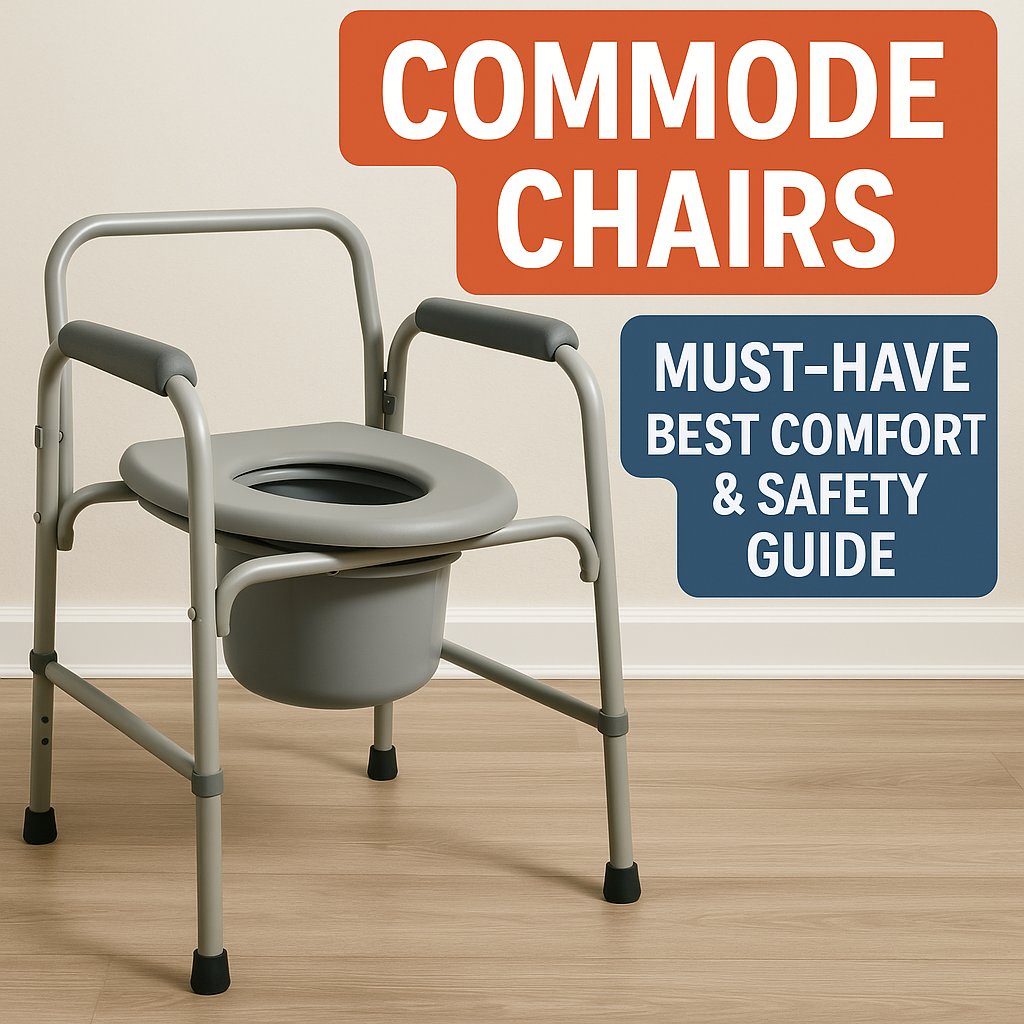
The Ultimate Guide to Commode Chairs: Types, Key Features & Selection Tips
Commode chairs are indispensable tools for healthcare importers, distributors, and elderly care buyers seeking reliable, safe, and comfortable toileting solutions. Designed to support seniors, post-surgery patients, and individuals with mobility challenges, these chairs enhance user independence and caregiver efficiency across various care environments. This comprehensive guide will walk you through the essential types of commode chairs, key features to consider, optimal selection strategies, and maintenance best practices—equipping your facility with superior healthcare products.
Types of Commode Chairs: Exploring Options for Every Care Setting
Selecting the right type of commode chair hinges on the specific needs of your clients and care environment. Here’s a breakdown of the most prevalent models available, along with examples from Tenrova Healthcare’s robust portfolio.
Standard Bedside Commodes
Standard bedside commode chairs, such as the RTS-ZG01, are classic solutions tailored for bedroom or bedside use. Their adjustable frame fits most toilets or can stand independently over beds, offering versatility.
- Padded armrests and raised seats facilitate safe transfers, reducing fall risks.
- Non-slip suction-cup feet enhance stability on smooth surfaces.
- The tool-free assembly ensures quick setup and maintenance convenience.
Ideal for homecare and assisted living, these commodes balance simplicity with essential safety features.
2-in-1 Shower & Commode Chairs
Multi-functional options like the CCB5104 combine showering and toileting functions, maximizing space efficiency—critical in limited-care settings.
- Constructed with waterproof materials and modern finishes (e.g., wood-grain frames).
- Equipped with a removable pail for easy cleaning.
- Designed to withstand wet environments without compromising durability.
This type is perfect for assisted living and small care facilities where space-saving versatility is paramount.
Mobile Commode Chairs with Wheels
For environments that demand mobility, such as rehabilitation centers, the CCW631A offers smooth mobility paired with safety.
- Features smooth TPR casters with a dual-brake system for reliable locking.
- Comes with a detachable commode bucket with lid for sanitary handling.
- Incorporates foldable footrests and sturdy side rails, enhancing user comfort and stability.
These chairs promote independent transfers and ease patient movement between rooms or care zones.
Heavy-Duty Foldable Commode Chairs
Heavy-duty foldable models like the CCW699C cater to higher weight capacities (up to 125 kg) and storage portability.
- Built with a reinforced aluminum frame offering strength without sacrificing weight.
- Equipped with universal front casters & PU rear wheels with brakes for secure mobility.
- Foldable design allows compact storage, ideal for short-term or travel care.
These chairs excel in hospitals and nursing homes, balancing rugged durability with adaptability.
Key Features to Evaluate When Selecting Commode Chairs
Understanding the critical features of commode chairs ensures you choose products that satisfy both users and caregivers.
Frame Material & Strength
- Aluminum alloy offers a lightweight, rust-resistant frame—ideal for frequent moves.
- Powder-coated steel ensures maximum durability, especially in heavy-use settings.
Seat & Pail Design
- Removable, antimicrobial buckets with secure lids improve hygiene and ease of cleaning.
- Options such as split seats or drop-front designs facilitate caregiver access without compromising privacy.
Adjustability & Ergonomics
- Chairs with multiple height settings (50–85 cm) accommodate diverse user needs.
- Padded armrests and backrests increase comfort during extended use.
Mobility & Stability
- Locking casters secure the chair firmly when stationary.
- Anti-tilt footrests reduce the risk of forward tipping and enhance user confidence.
Assembly & Portability
- Quick, tool-free folding mechanisms support easy breakdown during transport.
- Compact packaging optimizes shipping and storage logistics.
Matching Commode Chairs to Care Settings
Different care environments require tailored commode chair solutions to maximize utility and safety.
- Homecare & Assisted Living: Standard bedside and 2-in-1 shower & commode chairs work best for convenience and space-saving.
- Rehabilitation & Post-Surgery: Height-adjustable and mobile commodes facilitate phased recovery and encourage user independence.
- Nursing Homes & Hospitals: Heavy-duty chairs with easy-clean materials and universal casters handle high patient turnover and rigorous cleaning protocols.
- Short-Term & Travel Care: Lightweight, foldable models with quick assembly suit temporary placements and traveling caregivers.
Maintenance & Cleaning Best Practices for Longevity
Proper upkeep is vital to maintain hygiene standards and prolong the lifespan of commode chairs.
Daily Cleaning
- Always empty and disinfect the commode pail using a mild bleach solution after each use.
- Wipe the frame, seat, and armrests with antibacterial wipes to eliminate germs.
Weekly Inspection
- Test caster function and brake effectiveness to guarantee safety.
- Tighten any loose screws and replace worn rubber tips immediately.
Replacement Guidelines
- Keep spare buckets, lids, and footstraps in stock to minimize downtime.
- Replace cracked seats or bent frames promptly to maintain structural integrity.
Compliance & Certifications: Ensuring Quality & Safety
Partnering with certified manufacturers secures medical-grade quality and patient safety.
- Look for CE, FDA, and ISO13485 certifications indicating rigorous international standards compliance.
- MDMA certification guarantees material safety and skin compatibility.
- Request third-party test reports validating load capacity and durability for peace of mind.
Conclusion: Choosing the Right Commode Chair with Tenrova Healthcare
Investing in the right commode chair not only enhances the dignity and safety of end users but also streamlines caregiving workflows. By understanding the types available, prioritizing key features, and adhering to maintenance best practices, healthcare buyers and importers can elevate the quality of care delivered.
Tenrova Healthcare offers a versatile range of commode chairs, including the adjustable RTS-ZG01 and the robust CCW699C, designed to meet varied requirements backed by trusted certifications and factory-direct quality.
Contact Tenrova Today:
- Email: hysun0516@gmail.com
- WhatsApp/Phone: +86-138-1239-0890
- Website: https://tenrova.com
Equip your facilities with durable, comfortable, and hygienic commode chairs from Tenrova Healthcare—your partner in advanced patient care solutions.The Ultimate Guide to Commode Chairs: Types, Key Features & Selection Tips
Commode chairs play a vital role in enhancing the quality of life for seniors, post-surgery patients, and individuals with limited mobility. Selecting the right commode chair is crucial for healthcare importers, distributors, and elderly care buyers aiming to provide safe, comfortable, and hygienic toileting solutions across various care settings. This comprehensive guide will explore the main types of commode chairs, their key features, useful selection tips, and maintenance practices to help you make an informed purchasing decision for your clients or facility.
Types of Commode Chairs: Understanding Your Options
Choosing the appropriate commode chair depends largely on the care environment and patient needs. Below are the primary types available, each catering to specific requirements.
Standard Bedside Commodes
Standard bedside commodes, such as the RTS-ZG01, are versatile units designed to fit bedside or over the toilet. Their adjustable frames accommodate different heights and body types, featuring padded armrests and raised seats to facilitate safe transfers. These models often come with tool-free assembly and non-slip suction-cup feet, ensuring stability and ease of use within homecare and assisted living settings.
2-in-1 Shower & Commode Chairs
Dual-purpose 2-in-1 chairs, like the CCB5104, combine bathing and toileting functionality, making them ideal space-savers. They incorporate waterproof materials and removable pails for enhanced hygiene. Modern designs sometimes include attractive finishes such as wood-grain frames, offering both practicality and aesthetic appeal, which is especially valued in homecare environments.
Mobile Commode Chairs with Wheels
Mobile commode chairs, for example, the CCW631A, include smooth TPR casters with a dual-brake system for mobility and safety. Equipped with detachable buckets with lids, foldable footrests, and sturdy side rails, they support independent movement and ease of transfer. These features make mobile chairs suitable for rehabilitation centers and post-surgery recovery phases where patient mobility is encouraged.
Heavy-Duty Foldable Commode Chairs
Heavy-duty foldable models like the CCW699C cater to users requiring stronger support, capable of handling up to 125 kg through reinforced aluminum frames. These chairs feature universal front casters and PU rear wheels with brakes, combining durability with maneuverability. Their foldable design allows for easy storage and transport, suitable for both nursing homes and short-term care scenarios.
Key Features to Evaluate When Choosing Commode Chairs
Selecting a commode chair involves evaluating several critical features to ensure compatibility with users’ needs and care environments.
Frame Material and Strength
Opt for aluminum alloy frames for lightweight, rust-resistant properties ideal for home or hospital use. For maximum durability, powder-coated steel frames provide enhanced strength and long-term reliability.
Seat and Pail Design
Look for removable, antimicrobial commode buckets with secure lids to prevent odors and maintain hygiene. Split seats or drop-front designs facilitate easier cleaning and caregiver access during patient assistance.
Adjustability and Ergonomics
Height adjustability (ranging from 50 to 85 cm) accommodates various patient heights, promoting comfort and safety. Padded armrests and backrests improve user support during transfers and prolonged sitting.
Mobility and Stability
Locking casters enhance safe positioning, while anti-tilt footrests help prevent accidents related to forward tipping, a critical safety feature for elderly users.
Assembly and Portability
Quick, tool-free folding mechanisms and compact packaging ensure easy assembly, transportation, and storage, vital for caregivers and mobile healthcare operations.
Matching Commode Chairs to Different Care Settings
Understanding the context of use guides the optimal selection process.
- Homecare & Assisted Living: Standard bedside units and 2-in-1 shower chairs maximize convenience in private spaces.
- Rehabilitation & Post-Surgery: Height-adjustable and mobile commode chairs support progressive recovery and independence.
- Nursing Homes & Hospitals: Heavy-duty, easy-to-clean units with universal casters facilitate frequent use across facilities.
- Short-Term & Travel Care: Lightweight, foldable models with quick assembly meet temporary care needs efficiently.
Maintenance and Cleaning Best Practices
Proper upkeep of commode chairs preserves functionality, hygiene, and longevity.
- Daily Cleaning: Disinfect commode pails using mild bleach solutions and wipe down frames and seats with antibacterial wipes.
- Weekly Inspection: Verify caster movements, brake effectiveness, and ensure all screws are tightened. Replace worn rubber tips promptly.
- Replacement Guidelines: Maintain spare parts inventory, including buckets, lids, footstraps, and promptly substitute any damaged seats or bent frames.
Compliance and Certifications: Ensuring Medical-Grade Quality
When procuring commode chairs, verify compliance with international standards such as CE, FDA, and ISO13485. Materials certified by MDMA ensure safety and skin compatibility. Request third-party load capacity and durability reports to guarantee product reliability.
Conclusion: Elevating Care with the Right Commode Chair
Selecting an appropriate commode chair not only safeguards user dignity and enhances comfort but also streamlines caregiving processes. By considering different types, essential features, and maintenance protocols, healthcare importers and elderly care buyers can provide superior solutions tailored to diverse care settings.
At Tenrova Healthcare, our extensive range—from the versatile RTS-ZG01 standard bedside commode to the robust CCW699C heavy-duty foldable model—meets stringent quality standards with factory-direct pricing and global certifications. Equip your facilities or clients with trusted, ergonomic, and hygienic commode chairs designed for superior care.
Ready to Improve Patient Comfort and Care Efficiency?
Contact Tenrova Healthcare today for personalized support and product inquiries.
- Email: hysun0516@gmail.com
- WhatsApp / Phone: +86-138-1239-0890
- Website: https://tenrova.com
Empower your healthcare services with reliable commode chairs from Tenrova—where quality meets compassionate care.