
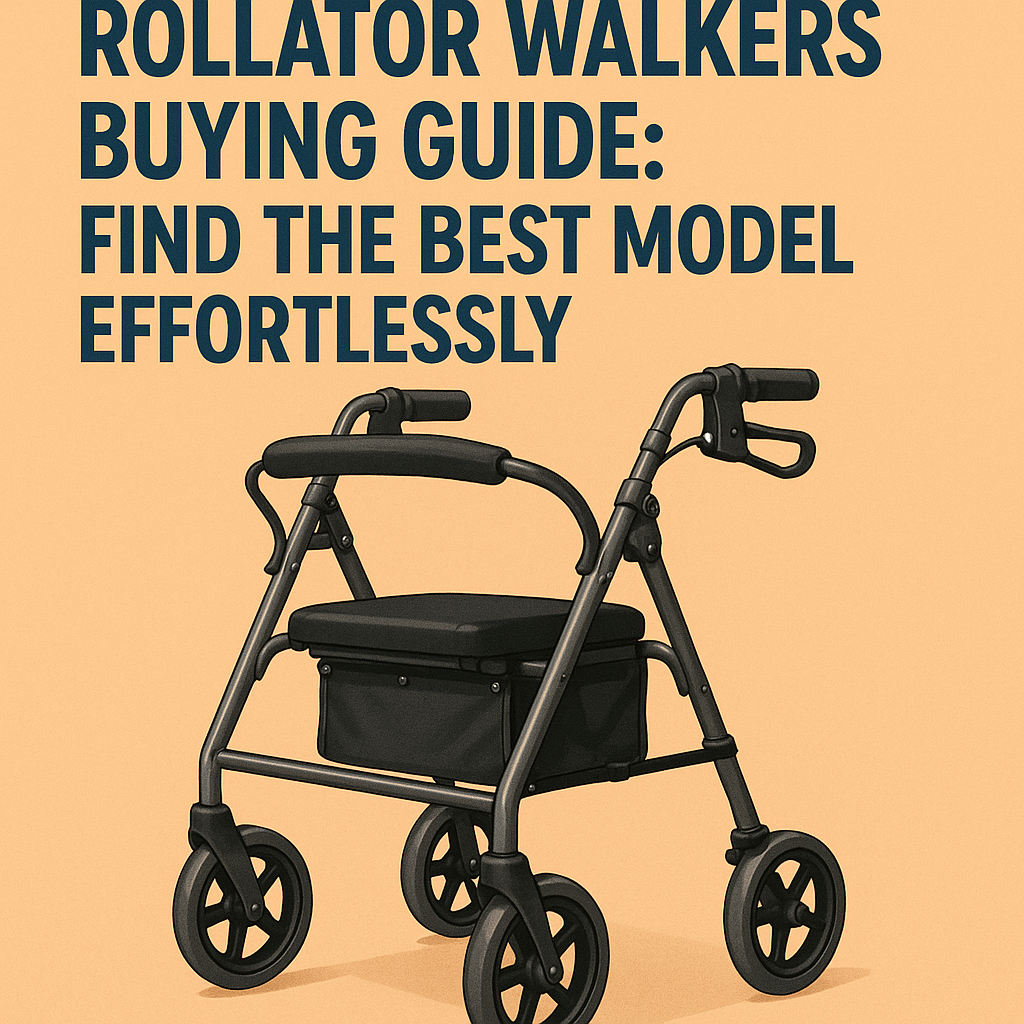
Rollator Walkers: A Comprehensive Guide to Types, Features, and Choosing the Best Model
Rollator walkers are essential aids that provide mobility and support to seniors, rehabilitation patients, and individuals with limited mobility. Selecting the right rollator involves understanding the different types available, comparing key features, and aligning the model with the user’s specific needs. In this guide, we will delve into the main categories of rollator walkers, highlight essential specifications, and provide practical tips for healthcare importers, distributors, and those involved in elderly care.
Types of Rollator Walkers
1.1 Standard Rollators (4-Wheel with Seat & Storage)
Standard rollators, such as the FWTW913L, RL3513, and RL3508, feature a padded seat and under-seat bag or shopping basket. They are equipped with dual hand-brakes for safe stopping and parking, making them ideal for indoor/outdoor daily use and quick rest breaks.
1.2 Upright Walkers (No Wheels)
Upright walkers, exemplified by the FW913L, boast a lightweight aluminum frame that promotes an upright posture. With height-adjustable handles and a simple folding mechanism, these walkers are best suited for users needing stability at slow walking speeds.
1.3 Three-Wheel (“Hemi”) Rollators
Three-wheel rollators are lightweight and highly maneuverable in tight spaces. They have a smaller footprint, making them ideal for indoor use in apartments or care facilities. While often lacking a seat, these models focus on ease of turning and pushing.
1.4 Heavy-Duty Rollators
Heavy-duty rollators, like the RL3513 Steel Rollator, feature stronger frames made of steel or reinforced aluminum and offer a higher load capacity of up to 136 kg. With larger wheels designed for rough terrain and outdoor mobility, these walkers are suitable for bariatric users and rugged environments.
1.5 Travel & Folding Rollators
Travel and folding rollators, such as the FW7103, are ultra-light models that collapse into compact sizes. Designed for air travel, fitting into car trunks, and frequent transport, these models may sacrifice seat size or storage capacity for enhanced portability.
Key Features to Compare
- Frame Material & Weight: Balance strength and portability with options like aluminum (2.2–4.7 kg) or steel (7.4 kg+).
- Wheel Size & Type: Choose between 5″–12 cm wheels for indoor use or 8″–10 cm PVC/PU wheels for varied surfaces.
- Braking System: Consider loop cable brakes versus push-down locking brakes for optimal ergonomics and reliability.
- Seat & Storage: Look for seats made of PU or Textilene, a flip-up design, and a detachable Oxford bag or shopping basket for added convenience.
- Adjustability & Ergonomics: Ensure handle height ranges from 73–94 cm, consider armrests for extra support, and backrests for enhanced comfort.
- Foldability & Transport: Evaluate one-click folding mechanisms versus multi-step collapse for easy transportation and storage.
Matching Rollators to User Needs
- Home Use & Tight Spaces: Opt for a hemi or standard rollator with small wheels and a narrow width.
- Outdoor & Uneven Terrain: Choose models with larger wheels (8″–10″), heavy-duty frames, and robust brakes for outdoor use.
- Shopping & Errands: Look for models with spacious under-seat baskets like the RL3508 or detachable bags for added convenience.
- Rehabilitation & Therapy: Upright walkers support natural posture, while adjustable handles are beneficial for gait training.
- Travel & Care Institutions: Folding rollators that can be quickly assembled are space-saving solutions for care homes and clinics.
Maintenance & Safety Tips
- Weekly Inspection: Regularly check wheel wear, brake cable tension, and handle grips for safety.
- Monthly Cleaning: Use a mild detergent to wipe frames and seats, avoiding harsh chemicals.
- Brake Adjustment: Ensure brakes lock securely and lubricate pivot points as necessary.
- Replacement Parts: Keep spare rubber tips, wheels, and brake pads on hand to minimize downtime.
Why Importers & Distributors Choose Tenrova Rollators
- CE, FDA & ISO13485 Certified: Tenrova rollators guarantee quality and regulatory compliance.
- Factory-Direct Pricing: Competitive FOB terms and optimized container loads for easy transport.
- OEM/ODM Customization: Tailor logos, colors, and packaging to align with your brand.
- Dedicated Support: Benefit from sample approvals, production updates, and reliable after-sales service.
Conclusion
Selecting the optimal rollator walker entails finding the right balance between type, features, and user needs. Whether you require a compact travel model, a heavy-duty outdoor walker, or a standard rollator with premium seating, Tenrova Healthcare offers a comprehensive range of certified products to meet global market demands. Empower your customers with reliable, customizable rollator solutions directly from Tenrova Healthcare.
For more information, contact Tenrova Healthcare via email at hysun0516@gmail.com or WhatsApp/Phone at +86-138-1239-0890. Visit their website at https://tenrova.com for a full range of rollator solutions.
CTA: Elevate your mobility solutions with Tenrova Healthcare’s premium rollators. Contact us today to explore our range of customizable options designed for optimal comfort and convenience.Rollator Walkers: An Essential Guide for Healthcare Importers, Distributors, and Elderly Care Buyers
When it comes to enhancing mobility and independence for seniors and individuals with limited mobility, rollator walkers are indispensable aids. As a healthcare importer, distributor, or elderly care buyer, selecting the right rollator walker involves understanding the different types available, comparing key features, and matching the models to the specific needs of the end-users.
Types of Rollator Walkers
Standard Rollators (4-Wheel with Seat & Storage)
Standard rollators, such as the FWTW913L, RL3513, and RL3508 models, feature a padded seat, under-seat bag, or shopping basket. These rollators are equipped with dual hand-brakes for safe stopping and parking, making them ideal for daily use both indoors and outdoors, as well as for quick rest breaks.Upright Walkers (No Wheels)
Upright walkers like the FW913L model have a lightweight aluminum frame that promotes upright posture. With height-adjustable handles and a simple folding mechanism, these walkers are best suited for users who require stability at slow walking speeds.Three-Wheel (“Hemi”) Rollators
The three-wheel or “hemi” rollators are lightweight and highly maneuverable in tight spaces. These models have a smaller footprint, making them ideal for indoor use in apartments or care facilities. While they often lack a seat, their design focuses on ease of turning and pushing.Heavy-Duty Rollators
Heavy-duty rollators, exemplified by the RL3513 Steel Rollator, feature stronger frames, such as steel or reinforced aluminum, and have a higher load capacity, accommodating up to 136 kg. Equipped with larger wheels suitable for rough terrain and outdoor mobility, these rollators are ideal for bariatric users and rugged environments.Travel & Folding Rollators
Travel and folding rollators, like the FW7103 model, are ultra-light and collapse into compact sizes. Designed for air travel, car trunks, and frequent transport, these models may sacrifice seat size or storage capacity for portability.
Key Features to Compare
- Frame Material & Weight: Balance strength and portability by choosing between aluminum (2.2–4.7 kg) and steel (7.4 kg+) frames.
- Wheel Size & Type: Select 5″–12 cm wheels for indoor use and 8″–10 cm PVC/PU wheels for mixed surfaces.
- Braking System: Compare loop cable brakes and push-down locking brakes for ergonomic design and reliability.
- Seat & Storage: Consider PU or Textilene seats, flip-up designs, and detachable Oxford bags or shopping baskets.
- Adjustability & Ergonomics: Look for handle height ranges (73–94 cm), armrests for extra support, and backrests for comfort.
- Foldability & Transport: Evaluate one-click folding versus multi-step collapse and folded dimensions for container loading.
Matching Rollators to User Needs
- Home Use & Tight Spaces: Opt for hemi or standard rollators with small wheels and narrow widths.
- Outdoor & Uneven Terrain: Choose rollators with larger wheels (8″–10″), heavy-duty frames, and stronger brakes.
- Shopping & Errands: Select models with spacious under-seat baskets or detachable bags.
- Rehabilitation & Therapy: Upright walkers support natural posture, while adjustable handles aid in gait training.
- Travel & Care Institutions: Folding rollators with quick assembly save storage space in care homes and clinics.
Maintenance & Safety Tips
- Weekly Inspection: Ensure wheel wear, brake cable tension, and handle grips are secure.
- Monthly Cleaning: Wipe frames and seats with mild detergent, avoiding harsh chemicals.
- Brake Adjustment: Verify brakes lock firmly and lubricate pivot points if necessary.
- Replacement Parts: Keep spare rubber tips, wheels, and brake pads on hand to minimize downtime.
Why Importers & Distributors Choose Tenrova Rollators
At Tenrova Healthcare, our rollators are CE, FDA, and ISO13485 certified, guaranteeing quality and regulatory compliance. With factory-direct pricing, competitive FOB terms, and OEM/ODM customization options, we offer a range of reliable and customizable rollator solutions. Our dedicated support team ensures sample approvals, production updates, and excellent after-sales service.
In conclusion, selecting the right rollator walker is crucial for enhancing mobility and independence. Whether you require a compact travel model, a heavy-duty outdoor walker, or a standard rollator with premium seating, Tenrova Healthcare provides a full range of certified products to meet the demands of the global market. Contact Tenrova Healthcare today to empower your customers with reliable and customizable rollator solutions.
Contact Tenrova Healthcare for top-quality rollator walkers:
Email: hysun0516@gmail.com
WhatsApp/Phone: +86-138-1239-0890
Website: https://tenrova.com
Empower your customers with reliable, customizable rollator solutions—factory direct from Tenrova.