
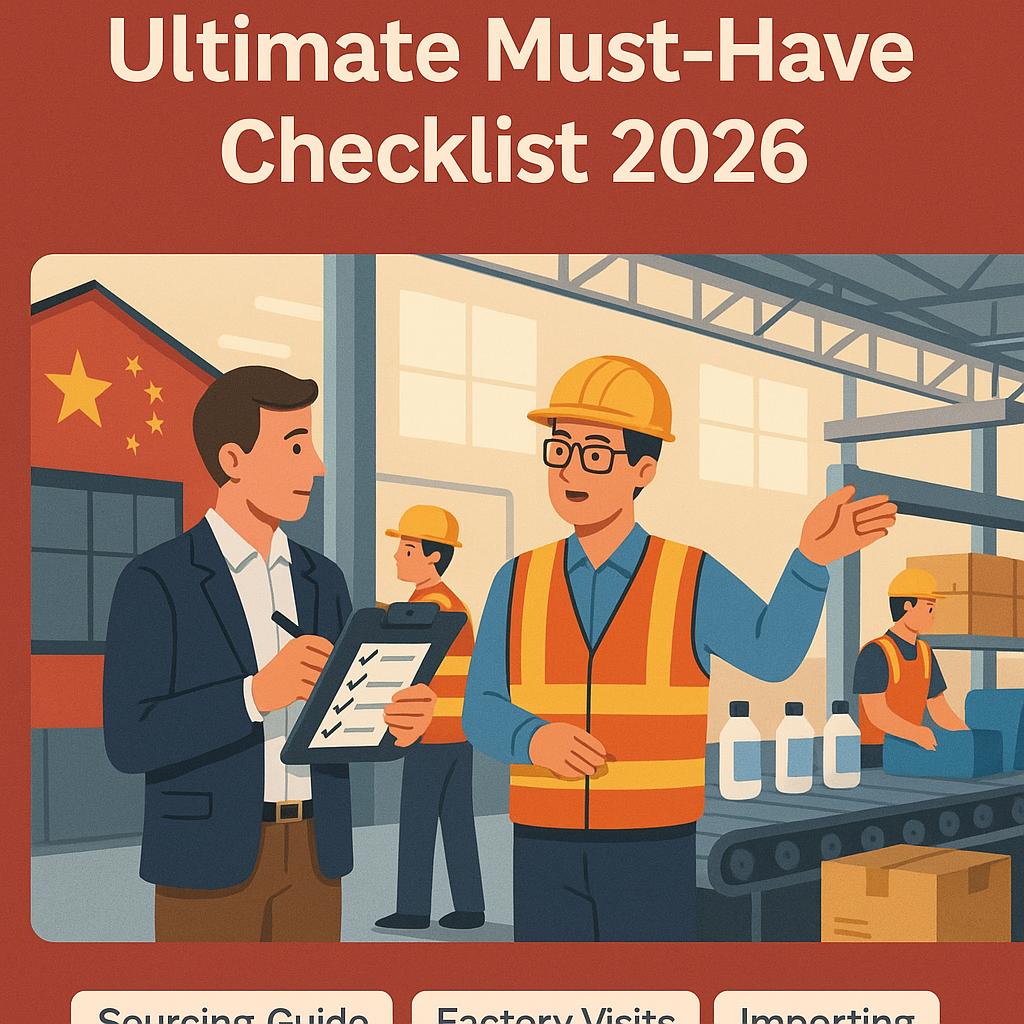
Your Ultimate Checklist for Visiting Chinese Homecare & Rehab Equipment Factories
Visiting Chinese factories that produce homecare and rehabilitation equipment is a critical step for importers, distributors, and elderly care buyers looking to secure reliable suppliers and ensure product quality. A well-executed factory visit goes beyond a simple tour; it involves meticulous planning, thorough auditing, and strategic relationship building. This comprehensive checklist will help you navigate the process smoothly, mitigate risks, and select partners who align with your business goals.
Pre-Trip Planning: Setting Clear Objectives for Factory Visits
Before embarking on your journey to China, defining your objectives is pivotal. Outline your expectations concerning product models, order quantities, and any specific customization requirements. Set key performance indicators (KPIs) such as lead times, acceptable defect rates, and price points, which will guide your evaluation during the visit.
Logistically, confirm visa types—business visas (M or F) are typically required—and initiate applications well ahead of time. Arrange flights close to your factory destination and select accommodations that minimize travel time, preferably near industrial parks. Don’t forget airport transfers to avoid last-minute hassles.
Coordinate your visit itinerary with the supplier at least two weeks beforehand. Plan sufficient time for a comprehensive factory tour, management meetings, quality control lab walkthroughs, and sample inspections to get a holistic view of their operations.
Documentation and Sample Preparation for Effective Factory Audits
Bringing the right documents and product samples is essential to facilitate a productive inspection and negotiation.
- Company Credentials: Carry copies of your business license, importer or distributor registration, and bank references. Prepare a non-disclosure agreement (NDA) if sensitive designs or proprietary branding are involved.
- Product Samples and Specifications: Bring 2–3 pre-production samples to compare with factory outputs on-site. Detailed written specifications including dimensions, materials used, and necessary certifications (such as CE, FDA, ISO13485) streamline communication and verification.
- Audit Checklists and Forms: Utilize quality system checklists aligned with ISO 9001 and ISO 13485 standards. If social compliance is a buyer requirement, prepare relevant questionnaires.
These documents provide a framework for your factory audit and help keep discussions focused and objective.
Factory Audit Focus Areas: What to Inspect During Your Visit
Production & Assembly Lines
Observe the plant layout to assess workflow efficiency and identify contamination risks—especially important for medical-grade homecare products. Evaluate worker training, personal protective equipment (PPE) compliance, and ergonomic standards to ensure a safe and professional environment.
Quality-Control Laboratory
Inspect testing devices for product durability, corrosion resistance, biocompatibility, and electromagnetic compatibility (EMC), if applicable. Review logs for incoming raw materials, quality check data during production, and final inspection reports to verify consistency and compliance.
Warehouse & Packaging
Check storage facilities for proper humidity and temperature controls vital for sensitive rehab devices. Confirm that inventory follows FIFO (First-In, First-Out) procedures. Examine packaging quality, print accuracy, labels, and tamper-evident seals to guarantee product integrity during shipment.
Certifications & Records
Request original certificates such as CE Declarations of Conformity, FDA registrations, and ISO reports. Cross-reference batch numbers and production dates on products with documentation to detect inconsistencies or counterfeit risks.
Building Strong Supplier Relationships After Your Factory Visit
Open, clear communication is the bedrock of a long-term partnership.
- Communication Protocol: Agree on dedicated contacts in sales, quality control, and logistics. Establish regular update formats—weekly reports or video calls help maintain transparency.
- Sample & Pilot Runs: Approve first-article samples before committing to large orders. Conduct pilot production to validate packaging, labeling, and shipping procedures.
- Payment Terms & Contracts: Negotiate terms balancing cash flow with risk management, such as 30% deposits and 70% payments upon receiving bill of lading copies. Include penalties for delayed deliveries or quality deviations to protect your investments.
Cultural and Practical Tips for a Successful Business Visit in China
Understanding local business etiquette enhances your factory visit experience:
- Exchange business cards respectfully with both hands and follow seniority protocols during introductions.
- Offer modest gifts like branded pens or calendars—avoid overly expensive presents.
- Employ a technical interpreter versed in medical device terminology to avoid misunderstandings.
- Circulate bilingual documents beforehand to align expectations.
- Wear closed-toe shoes on production floors and adhere strictly to safety briefings.
- Carry health insurance to cover minor workplace injuries during your stay.
Conclusion: Maximize Your Factory Visit for Successful Homecare & Rehab Sourcing
A detailed, well-structured approach to visiting Chinese homecare and rehabilitation equipment factories minimizes risks and builds trust. Integrate this checklist into your preparation, onsite audit, and follow-up to foster reliable supplier relationships that support your business growth.
Ready to Schedule Your Factory Tour?
For specialized guidance, audit templates, and personalized assistance, contact the Tenrova Healthcare sourcing team:
 Email: hysun0516@gmail.com
 WhatsApp/Phone: +86-138-1239-0890
 Visit: https://tenrova.com/
Ensure your sourcing trip drives results—partner with experts who understand the nuances of homecare and rehab equipment procurement.