
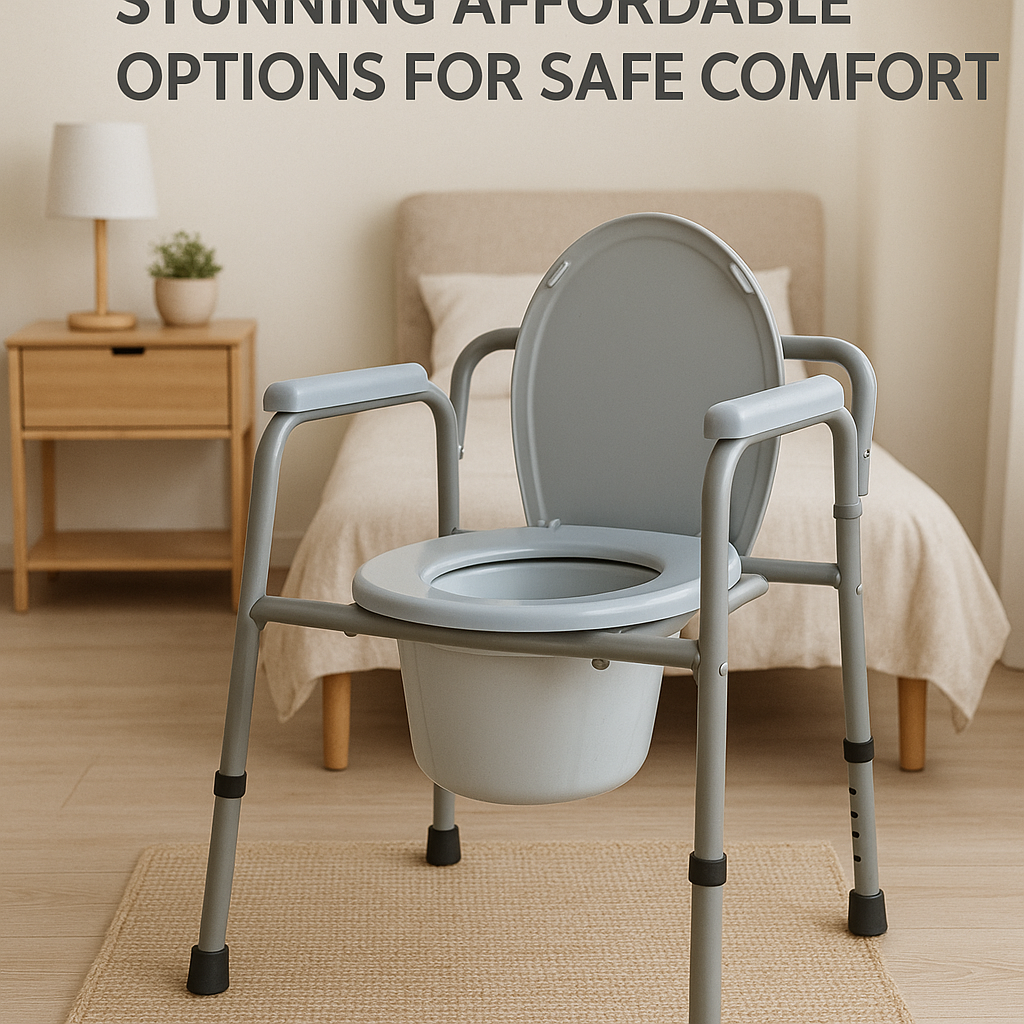
The Ultimate Guide to Commode Chairs: Types, Key Features & Selection Tips
Commode chairs are indispensable mobility aids designed to enhance the safety, comfort, and dignity of seniors, rehabilitation patients, and individuals with limited mobility. Whether in homecare settings, hospitals, or assisted living facilities, these chairs streamline toileting solutions by providing versatile, hygienic, and ergonomic options. This comprehensive guide delves into the various types of commode chairs, outlines key features to consider, and shares expert tips to help healthcare importers, distributors, and elderly care buyers make informed purchasing decisions.
Types of Commode Chairs
Choosing the right commode chair starts with understanding the range of models available. Each type serves specific care environments and user needs.
2-in-1 Bath & Commode Chairs (e.g., CCB5104)
These versatile units function both as a shower chair and a freestanding commode. They typically feature a removable plastic pail for easy cleaning and an adjustable frame height ranging from 73 to 85 cm. Non-slip feet provide stability on wet surfaces, making them ideal for users who require bathing assistance alongside toileting support.
Mobile Commode Chairs with Wheels (e.g., CCW631A)
Designed for maximum mobility, these chairs come equipped with silent TPR casters and a dual-braking system to ensure safe, quiet transport between rooms. Features often include a fold-down footrest, detachable bucket, height-adjustable seats (51–56 cm), and padded vinyl cushions to enhance user comfort.
Aluminum Commode Chairs with Wheels (e.g., CCW699C)
Constructed with lightweight anodized aluminum, these chairs offer durability without compromising portability. They incorporate 4-inch swivel front casters and 8-inch rear PU wheels with brakes. A foldable frame allows for compact storage and effortless transport, perfect for care facilities with limited space.
Raised Toilet Seat Frames (e.g., RTS-ZG01)
These fit onto existing toilets without permanent installation, featuring tool-free setups. Adjustable heights between 68 and 82 cm and adjustable widths from 55 to 60 cm accommodate diverse users, while padded armrests and suction-cup feet provide enhanced stability.
Over-Toilet Frames
Characterized by a U-shaped opening, these frames fit around standard toilet bowls, offering extra support without requiring permanent fixtures. Adjustable legs and armrests help adapt to individual user comfort levels.
Drop-Arm & Swing-Away Designs
Armrests can fold down or swing away to facilitate lateral transfers, particularly beneficial for wheelchair users or in narrow spaces where conventional chairs may be impractical.
Key Features to Evaluate When Selecting Commode Chairs
Frame Material & Durability
Materials significantly impact longevity and performance. Aluminum alloys deliver corrosion resistance and lightweight structure, whereas stainless steel frames offer superior strength suited for high-use healthcare settings.
Weight Capacity
Standard commode chairs generally support 125–150 kg, but bariatric models can accommodate weights exceeding 200 kg. Selecting the correct capacity ensures user safety and product durability.
Seat Comfort & Hygiene
Waterproof PVC seats are easy to clean but may lack cushioning. Padded vinyl cushions enhance comfort and reduce pressure points. Quick-release seats and removable pails simplify thorough sanitation routines.
Mobility & Braking Systems
Swivel casters with individual locks increase maneuverability and safety. Designs featuring anti-tilt footrests reduce fall risks during transfers.
Adjustability
Height adjustment ranges from 2 to 8 cm increments, plus armrest height and seat width customization, ensure ergonomic fits tailored to user needs.
Cleanability & Maintenance
Seamless joints prevent moisture and mold buildup, while removable components simplify sanitization protocols, crucial in healthcare environments.
Portability & Storage
Fold-flat frames and quick-release wheels enable easy transportation for home visits or emergency use, maximizing versatility.
Matching Commode Chairs to Specific Care Settings
Homecare & Assisted Living
Multi-purpose 2-in-1 bath and commode chairs are perfect for confined bathrooms, while foldable models aid in conserving space when not in use.
Hospitals & Nursing Homes
Heavy-duty steel or aluminum chairs with high weight capacities suit frequent use. Mobile commodes facilitate easy repositioning between patient rooms, streamlining caregiving tasks.
Rehabilitation & Post-Surgery
Adjustable chairs with cushioned seats and swing-away arms minimize strain on recovering patients. Elevated toilet frames promote safer transfers and improved independence.
Travel & Temporary Use
Lightweight foldable commodes and suction-cup raised seats offer convenient toileting solutions for travel, rentals, or temporary care.
Installation & Maintenance Tips for Optimal Safety
- Assembly & Adjustment: Always follow user manual torque specifications to secure parts properly. Confirm all locking pins are fully engaged before chair use.
- Cleaning & Sanitation: Use hospital-grade disinfectants on frames and seats regularly, and remove pails for thorough cleaning after each use. Inspect for cracks or damage.
- Safety Inspections: Weekly checks should cover screws, brake pads, and casters. Monthly inspections should verify frame welds, seat condition, and weight capacity compliance.
Compliance & Certifications to Look For
Ensure commode chairs carry certifications like CE, FDA, ISO13485, and MDMA approvals to guarantee product legitimacy and quality. Verify compliance with local regulations and request factory inspection or third-party test reports for bulk orders.
Conclusion and Next Steps
Selecting the ideal commode chair is crucial for optimizing patient safety, hygiene, and dignity across diverse care environments. Tenrova Healthcare offers a certified selection of commode chairs—including versatile models like the CCB5104, mobile CCW631A, and robust CCW699C—that cater to a myriad of clinical and homecare needs.
Browse Tenrova’s Commode Chair Collection today or reach out for personalized consultations, bulk pricing, and free sample trials to elevate your product offerings.
Contact Tenrova Healthcare
Email: hysun0516@gmail.com
WhatsApp/Phone: +86-138-1239-0890
Website: https://tenrova.com
Empower your clients with dependable, high-quality toileting solutions—because comfort and safety matter.The Ultimate Guide to Commode Chairs: Types, Key Features & Selection Tips
Commode chairs are indispensable assistive devices designed to offer safe, convenient, and dignified toileting solutions for seniors, rehabilitation patients, and individuals with limited mobility. Whether used at home, in assisted living facilities, or healthcare institutions, choosing the right commode chair can significantly enhance user comfort and caregiver efficiency. This comprehensive guide from Tenrova Healthcare delves into the various types of commode chairs, highlights critical features to consider, and provides expert tips to help healthcare importers, distributors, and elderly care buyers select the most suitable models for their needs.
Types of Commode Chairs
Understanding the different types of commode chairs is essential to matching them correctly with specific care environments and user requirements.
2-in-1 Bath & Commode Chairs
A versatile option, these models function both as shower chairs and freestanding commodes. For example, the CCB5104 features a removable plastic pail for seamless cleaning, a height-adjustable frame ranging from 73 to 85 cm, and non-slip feet to enhance stability and safety in wet environments. This dual functionality makes them perfect for homecare settings with limited space.
Mobile Commode Chairs with Wheels
Ideal for healthcare environments where mobility and ease of transport are priorities, mobile commodes like the CCW631A come equipped with silent TPR casters featuring a dual-brake system to prevent accidental movement. Additional features include fold-down footrests, detachable buckets, height-adjustable seats (51–56 cm), and padded vinyl cushions for superior comfort during use or transfer.
Aluminum Commode Chairs with Wheels
Lightweight yet durable, aluminum frame commodes such as the CCW699C combine strength and portability. They are fitted with 4-inch swivel front casters and 8-inch PU rear wheels with brakes for smooth maneuverability and safety. Their foldable design ensures compact storage, making them suitable for hospitals and rehabilitation centers with frequent equipment turnover.
Raised Toilet Seat Frames
For users who prefer enhancing their existing toilets, raised toilet seat frames like the RTS-ZG01 provide tool-free installation with adjustable height (68–82 cm) and width (55–60 cm). Equipped with padded armrests and suction-cup feet, they offer added stability and comfort without requiring permanent modifications.
Over-Toilet Frames
These frames feature a U-shaped opening designed to fit around standard toilet bowls without permanent installation. Adjustable legs and armrests allow customization for user comfort, making them a practical solution in both homecare and institutional settings.
Drop-Arm & Swing-Away Designs
Specifically tailored to facilitate side transfers, these designs let the armrests fold down or swing away, easing movement between wheelchairs and commode chairs. This feature is especially beneficial in narrow spaces or for wheelchair users requiring seamless access.
Key Features to Evaluate When Choosing a Commode Chair
Selecting the right commode chair involves a careful evaluation of several features to ensure safety, hygiene, and user comfort.
Frame Material & Durability
Aluminum alloy frames offer corrosion resistance and are lightweight, ideal for portable models. Stainless steel frames provide superior strength and durability, making them suitable for heavy-use environments like hospitals and nursing homes.
Weight Capacity
Standard commode chairs typically support users weighing between 125 to 150 kg. Bariatric models, designed for heavier users, can accommodate weights exceeding 200 kg, ensuring a safe and secure experience.
Seat Comfort & Hygiene
Consider the seat material—waterproof PVC seats are easy to clean, whereas padded vinyl cushions provide enhanced comfort. Features such as quick-release seats and removable pails facilitate thorough hygiene maintenance.
Mobility & Braking
Swivel casters with individual locking brakes improve chair maneuverability while preventing unintended movement. Anti-tilt footrest designs add an extra layer of safety during user transfers.
Adjustability
Adjustable height settings (usually in 2–8 cm increments) along with customizable width and armrest heights enable a better fit for users of varying sizes and needs.
Cleanability & Maintenance
Seamless joints prevent mold buildup and simplify cleaning protocols, while removable components allow for effective sanitization, crucial in healthcare environments.
Portability & Storage
Fold-flat frames are advantageous for transport in ambulances or home visits. Quick-release wheels or casters also support easy disassembly and storage.
Matching Commode Chairs to Care Settings
Choosing the right commode chair depends largely on the care setting and the specific requirements of users.
Homecare & Assisted Living
Multi-purpose 2-in-1 chairs maximize utility in tight spaces, while foldable models aid in efficient storage when not in use.
Hospitals & Nursing Homes
Robust aluminum or steel models with high weight capacities and mobile commode options support frequent patient repositioning and diverse care needs.
Rehabilitation & Post-Surgery
Adjustable chairs with padded seats and swing-away arms reduce strain and assist with mobility during recovery phases.
Travel & Temporary Use
Lightweight, foldable commodes with suction-cup raised seats cater to temporary needs, making them ideal for travel or short-term care situations.
Installation & Maintenance Tips
Proper assembly, routine cleaning, and safety inspections extend the lifespan of commode chairs and ensure safe use.
Assembly & Adjustment
Always adhere to user-manual torque specifications when installing and adjusting chairs. Confirm all locking pins are fully engaged before the first use.
Cleaning & Sanitation
Regularly wipe down frames and seats with hospital-grade disinfectants. Remove and sanitize pails after each use, checking for any signs of cracks or damage.
Safety Inspections
Weekly checks should focus on loose screws, brake pad wear, and caster functionality. Monthly reviews include frame welds, seat integrity, and verifying weight capacity compliance.
Compliance & Certifications
Ensure all commode chairs meet critical regulatory standards such as CE, FDA, ISO 13485, and MDMA certifications. Compliance with local import regulations and third-party test validations is essential for quality assurance and user safety.
Conclusion & Next Steps
Selecting the optimal commode chair is crucial to delivering safe, comfortable, and dignified care for users. Tenrova Healthcare offers a CE- and ISO-certified product range—including the versatile CCB5104, mobile CCW631A, and robust CCW699C—that addresses diverse healthcare environments and client needs. Explore our comprehensive Commode Chair Collection or contact us for customized sourcing solutions, bulk pricing, and free sample trials.
Contact Tenrova Today
Email: hysun0516@gmail.com
WhatsApp/Phone: +86-138-1239-0890
Website: https://tenrova.com
Empower your clients with dependable toileting solutions—because their safety and comfort are paramount.