
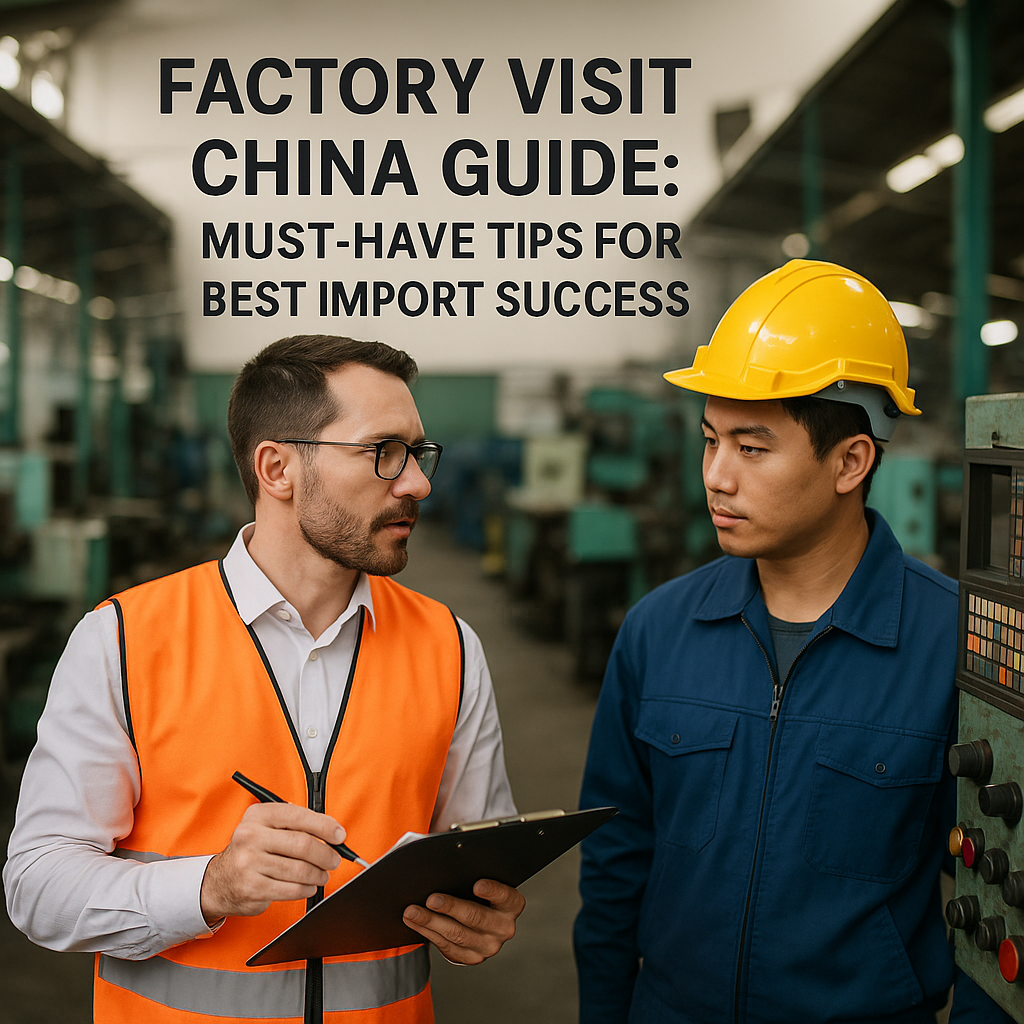
How to Plan a Successful Factory Visit in China: A Guide for Homecare & Rehab Equipment Importers
Planning a factory visit in China is a critical step for homecare and rehabilitation equipment importers seeking to ensure product quality, verify supplier capabilities, and establish trustworthy, long-term partnerships. A well-executed visit allows you to inspect production processes firsthand, interact directly with factory management, and negotiate terms underpinned by solid understanding. This comprehensive guide leads you through the essential stages of planning and executing a successful factory visit tailored specifically for importers of walkers, commodes, shower chairs, rollators, and related products.
Defining Your Objectives Before the Trip
Before booking flights or scheduling factory tours, it is imperative to define your visit objectives clearly. Pinpointing what you want from the visit keeps your agenda focused and makes the most of limited time on-site.
- Product Scope: Decide which product categories you will assess. Focusing on key lines such as mobility aids or bathroom safety products narrows your inspection and prioritizes quality checks.
- Quality Benchmarks: Establish measurable acceptance criteria including materials, tolerances, and certifications like CE, FDA clearance, or ISO13485 to ensure compliance and safety.
- Capacity Requirements: Estimate your expected annual volumes, seasonal fluctuations, and scaling needs to evaluate whether the factory’s production capabilities match your business plans.
Researching and Pre-Qualifying Potential Suppliers
A factory visit only makes sense if you first undertake thorough desk research to shortlist qualified manufacturers.
- Company Profiles: Investigate each supplier’s history, technological expertise, and export track record.
- Audit Reports: Request recent turnkey third-party audit certificates from organizations such as SGS or TÜV to verify quality and social compliance.
- Customer References: Contact current clients to gather insights on punctual delivery, communication efficiency, and after-sales support.
Efficient Travel Planning and Local Logistics
Successful visits require smooth logistics to minimize stress and maximize productivity.
- Visa Preparation: Apply for a Chinese business (M) visa well in advance, submitting the mandatory invitation letter from your supplier to expedite approval.
- Interpreter and Transportation: Hire a professional interpreter or local guide knowledgeable about factory districts to navigate language barriers and cultural nuances.
- Accommodation: Choose hotels close to industrial hubs in cities like Shenzhen or Suzhou to reduce travel times.
Preparing a Comprehensive Factory Audit Checklist
Your checklist will provide structure during the visit and ensure no critical areas are overlooked.
- Management Systems: Review ISO13485 documentation, corrective action logs, and traceability protocols.
- Production Line Inspection: Tour assembly lines, welding areas, anodizing/powder coating stations, and packaging units to assess workflow and efficiency.
- Raw Material Controls: Observe storage conditions, material testing procedures for components such as aluminum tubing and PP/PE plastics.
- In-Process Quality Control: Check sampling methods, dimensional accuracy, and functional testing protocols (load capacity, fatigue resistance, braking systems).
Conducting Thorough On-Site Evaluations
Being hands-on during the visit helps you gauge real factory conditions beyond paper qualifications.
- Visual Inspection: Assess cleanliness, personal protective equipment adherence, machine maintenance, and workspace organization following 5S principles.
- Functional Testing: Request demonstration or test assembly of products such as folding walkers or commode bucket seals to verify functionality.
- Personnel Interviews: Speak candidly with production supervisors, quality control technicians, and R&D staff to evaluate their expertise and communication openness.
Negotiating Terms and Securing Competitive Pricing
Factory visits set the stage for commercial negotiations with greater leverage.
- MOQ and Trial Orders: Clarify minimum order quantities alongside options for initial sample or small orders.
- Lead Times: Agree on realistic production schedules factoring in holidays like Chinese New Year and demand peaks.
- Payment Agreements: Establish secure terms such as 30% deposit via T/T with balance on presentation of B/L copy or letters of credit depending on risk appetite.
Navigating Cultural and Communication Nuances
Cultural sensitivity is essential for building rapport and avoiding misunderstandings.
- Respect “Face”: Address senior staff first, use both hands when exchanging business cards, and acknowledge hierarchy with politeness.
- Written Summaries: Follow up verbal discussions with timely emails summarizing agreements and clarifications.
- Patience and Flexibility: Allow for longer decision cycles and remain open to alternative suggestions without pressure.
Planning Effective Post-Visit Follow-Up
Your visit yields the best results when accompanied by prompt and organized follow-up actions.
- Detailed Reports: Compile photos, videos, and prioritized action items into concise audit reports shared with suppliers.
- Corrective Actions: Collaborate closely with factories to resolve any non-conformities in materials, processes, or certifications.
- Sample Approval: Insist on receiving pre-production samples reflecting agreed-upon standards before greenlighting mass production.
Coordinating Shipping and Import Logistics
Efficient logistics are vital to preserving product integrity and controlling costs.
- Packaging Optimization: Verify carton dimensions, stacking durability, and protective dunnage to maximize container load efficiency (20’ GP, 40’ GP, 40’ HQ).
- Freight Terms: Confirm responsibilities under FOB, CIF, or DAP terms and solicit competitive freight forwarder quotes.
- Customs Documentation: Prepare all import paperwork meticulously—commercial invoice, packing list, certificate of origin, quality test reports—to smooth clearance.
Conclusion
By approaching your factory visit in China with clear goals, organized preparation, and cultural awareness, you minimize risks and build strong supply chain partnerships for your homecare and rehab equipment business. This structured methodology ensures product quality assurance, reliable production capabilities, and seamless communication—key differentiators in the competitive healthcare import market.
For homecare and rehabilitation product importers seeking expert support, Tenrova Healthcare offers tailored factory tours, detailed sample audits, and strategic sourcing solutions designed to help you succeed in China’s manufacturing landscape.
Contact Tenrova Healthcare today to start planning your next factory visit:
Email: hysun0516@gmail.com
Phone/WhatsApp: +86-138-1239-0890
Website: https://tenrova.com