
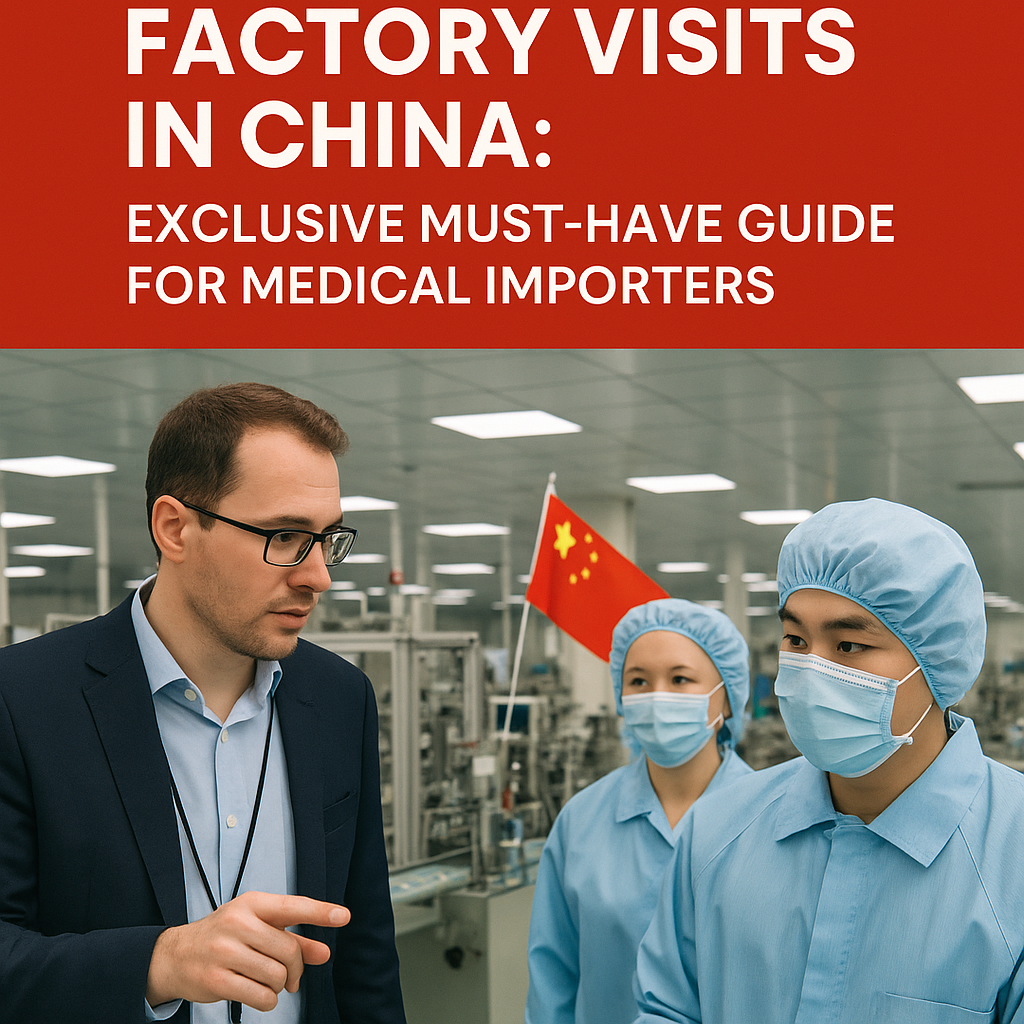
A Step-by-Step Guide to Factory Visits in China for Medical Equipment Importers
Factory visits in China play a crucial role for importers of medical equipment, especially for those dealing in rehabilitation aids such as rollators, shower chairs, and commode chairs. A thorough visit is the most effective way to verify supplier capabilities, ensure product quality, and establish a trustworthy relationship that can drive long-term success. For healthcare importers, distributors, and elderly care buyers, understanding what to expect and how to prepare can transform a visit from a routine inspection into a strategic advantage.
This guide provides a detailed step-by-step approach to planning and executing your factory visit, offering insights on preparation, on-site inspection, common pitfalls, and post-visit follow-up.
Pre-Visit Preparation: Setting the Stage for Success
Define Clear Objectives for Your Factory Visit
Before booking flights or packing bags, it is crucial to outline your goals clearly. Determine exactly which product lines or components you want to assess — for example, anodized aluminum rollator frames, PE seats used in shower chairs, or wheel assemblies of commode chairs.
Identify any customization requirements such as OEM branding, packaging design preferences, or color options. Clarifying these aspects early ensures your visit stays focused and productive.
Sign Confidentiality Agreements (NDAs)
Protecting your intellectual property is fundamental. Prepare a simple Non-Disclosure Agreement (NDA) in both English and Chinese to safeguard your designs, technical drawings, pricing, and marketing plans. Sharing a signed NDA ahead of the visit builds trust and allows suppliers to open up more freely.
Schedule and Confirm Your Appointments
Start contacting suppliers 4 to 6 weeks in advance to arrange your visit itinerary. Confirm the factory tour, and request meetings with Research & Development (R&D), Quality Control (QC), and production teams. A well-structured agenda that includes sample reviews ensures you cover all key aspects efficiently.
Arrange Travel and Accommodation
Book your flights to the closest international airport — Guangzhou, Shanghai, or Ningbo are common gateways. Choose accommodation near the factory or in a central industrial park. Don’t forget to arrange airport transfers and set up local communication methods like SIM cards or roaming plans to stay connected.
On-Site Factory Visit Checklist
Punctuality and Respectful Conduct
Arrive on time, dress smart-casual, and adhere to Chinese business etiquette—such as exchanging business cards with both hands and addressing people respectfully. Your professionalism sets a positive tone for the entire visit.
Assess Production Capacity and Workflow
Observe the production lines handling your products, such as rollator frame fabrication, shower chair assembly, and commode chair welding stations. Take note of machine types—like CNC cutters, anodizing tanks, or welding robots—and the skill level of the workforce to evaluate whether they meet your standards.
Evaluate Quality Control Systems
Inspect the incoming materials control, including verifying aluminum alloy certificates and PE resin test reports. Check quality checkpoints along the production line, including dimensional measurements, load testing, and surface finish evaluations. Visiting the testing laboratory to watch drop, corrosion resistance, and load-bearing tests provides additional assurance.
Review Certifications and Factory Documentation
Confirm that the factory holds relevant certifications such as CE, FDA, and ISO13485. Request copies of factory audit reports from organizations like BSCI, SGS, or Intertek to verify compliance with international quality and social responsibility standards.
Examine OEM/ODM Customization Capabilities
If custom branding or packaging is important, inspect samples showing logo applications, packaging mock-ups, and color-matching trials. Discuss minimum order quantities (MOQs), production lead times, and any tooling costs involved.
Inspect Warehousing and Logistics Processes
A visit to the warehouse reveals how products are packed, labeled, and stored—critical for ensuring product safety during transit. Discuss container loading plans for 20’GP, 40’GP, and 40’HQ shipments to understand your logistics options better.
Post-Visit Follow-Up Actions
Conduct Internal Team Evaluations
Immediately after your visit, hold a debrief session with your team to compare notes and impressions. Score the factory on quality, capacity, responsiveness, and compliance to facilitate decision-making.
Order and Test Samples
Request production or pre-production samples for detailed laboratory testing in your country. Confirm that product fit, finish, safety features, and load capacities meet your specifications.
Negotiate and Finalize Contracts
Leverage insights from your visit to negotiate pricing, payment terms, delivery schedules, and penalties for non-compliance. A clear purchase agreement helps prevent misunderstandings and ensures accountability.
Common Pitfalls to Avoid During Factory Visits
- Unannounced Visits: Always schedule in advance; unexpected visits can offend the management and limit access.
- Ignoring Subcontracted Processes: Verify which processes are handled in-house versus outsourced to avoid surprises in quality or lead time.
- Overlooking Local Regulatory Compliance: Confirm that the factory adheres to labor laws, environmental regulations, and proper export procedures.
- Language Barriers: Bring a reliable interpreter or bilingual representative to ensure clear communication and avoid misunderstandings.
Tips for a Smooth and Productive Factory Visit
- Engage a Local Sourcing Agent: A professional agent can streamline coordination, translation, and negotiation on your behalf.
- Create a Photo and Video Log: Documentation helps keep an accurate record of observations and supports better internal discussions.
- Allow Buffer Time: Account for possible delays caused by traffic, machine downtime, or extended meetings.
- Keep Communication Open: Follow up promptly with suppliers to clarify points, gather additional information, or confirm agreements.
Conclusion
A meticulously planned factory visit is a powerful tool for medical equipment importers looking to secure quality products while forging strong supplier partnerships in China. By following this comprehensive guide, healthcare buyers can uncover customization opportunities, safeguard product integrity, and optimize sourcing strategies.
At Tenrova Healthcare, we invite you to visit our cutting-edge manufacturing facilities and meet our expert team dedicated to CE, FDA, and ISO-certified excellence. Let us help you deliver trusted medical and rehabilitation equipment to your customers worldwide.
Contact Tenrova Today
Email: hysun0516@gmail.com
WhatsApp/Phone: +86-138-1239-0890
Website: https://tenrova.comA Step-by-Step Guide to Factory Visits in China for Medical Equipment Importers
Visiting a factory in China is a crucial step for medical equipment importers seeking to verify supplier capabilities, ensure product quality, and foster strong business partnerships. For importers specializing in medical and rehabilitation equipment such as rollators, shower chairs, and commode chairs, an effectively planned visit can reveal customization opportunities, potential cost savings, and efficient logistics strategies. This comprehensive guide outlines each phase of a factory visit, highlights common mistakes to avoid, and provides practical tips to ensure a smooth, productive trip.
Pre-Visit Preparation: Laying the Groundwork for a Successful Factory Visit
Define Your Objectives Clearly
Before embarking on a factory visit, establish your primary goals. Identify specific product lines, models, or components you wish to evaluate, such as anodized aluminum frames, PE seats, or wheel assemblies. Determine your customization requirements, including OEM branding, packaging design, and available color options. Clear objectives enable targeted discussions and inspections during the visit.
Sign Confidentiality Agreements to Protect Your Interests
To safeguard your proprietary designs, technical specifications, and pricing details, prepare confidentiality agreements (NDAs) in both English and Chinese. Ensure these are signed and mutually acknowledged before sharing sensitive documents or marketing plans with the supplier.
Schedule and Confirm All Appointments in Advance
Contact suppliers at least four to six weeks before your intended visit dates to arrange factory tours, meetings with research and development (R&D), quality control (QC), and production teams, as well as sample review sessions. Confirm the agenda to avoid inconveniences.
Arrange Efficient Travel and Accommodation
Book flights to the nearest major international airport, such as Guangzhou, Shanghai, or Ningbo, and reserve accommodations close to the factory or within prominent industrial zones. Organize airport transfers and acquire local SIM cards or international roaming plans to maintain seamless communication throughout your trip.
On-Site Visit Checklist: Assessing Factory Capabilities and Quality
Punctuality and Respect for Local Business Etiquette
Arrive promptly and dress smart-casual to reflect professionalism. Observe Chinese business customs, such as exchanging business cards with both hands, to build rapport and demonstrate respect.
Evaluate Production Capacity and Workflow
Carefully examine assembly lines dedicated to core products: rollator frames, shower chair construction, and commode chair welding. Observe the condition of machinery, including CNC cutters, anodizing tanks, and welding robots, alongside the skill levels of factory workers to gauge operational efficiency.
Review Quality Control Systems Thoroughly
Assess the inspection procedures for incoming raw materials, such as aluminum alloy certification and PE resin test reports. Observe in-process inspections like dimensional accuracy, load-bearing tests, and surface finish evaluations. Visit quality testing laboratories to witness drop tests, corrosion resistance assessments, and strength measurements.
Verify Certifications and Documentation
Request copies of essential certifications, including CE marking, FDA approvals, and ISO 13485 accreditation. Review third-party audit reports from organizations such as BSCI, SGS, or Intertek to confirm ethical and quality compliance.
Inspect OEM/ODM Customization Capabilities
Evaluate sample productions featuring custom logos, packaging prototypes, and color matching to determine the supplier’s ability to meet your branding needs. Inquire about minimum order quantities (MOQs), production lead times, and potential tooling fees associated with custom orders.
Assess Warehousing and Logistics Facilities
Tour storage areas to check packaging standards, carton labeling accuracy, and preservation conditions. Discuss container loading strategies for various shipment sizes like 20’GP, 40’GP, and 40’HQ to anticipate shipping logistics.
Post-Visit Follow-Up: Cementing Decisions and Negotiations
Perform an Internal Evaluation
Immediately after the visit, conduct a debrief with your team to compare observations, opinions, and notes. Rate the factory on parameters such as product quality, manufacturing capacity, responsiveness, and compliance standards.
Order Samples for Independent Testing
Request production samples or pre-production prototypes to be shipped for laboratory testing in your home country. Verify that products meet your specific requirements in fit, finish, load capacity, and safety.
Finalize Negotiations and Contracts
Use insights from your visit to negotiate competitive pricing, favorable payment terms, and optimized lead times. Ensure your purchase agreement clearly defines product specifications, inspection protocols, and penalty clauses to mitigate risks.
Common Pitfalls to Avoid During Factory Visits
Never Conduct Unannounced Visits
Surprising suppliers may offend your hosts and limit your factory access. Always schedule visits in advance and confirm appointments.
Avoid Overlooking Outsourced Processes
Clarify whether key processes, including anodizing, injection molding, and welding, are managed in-house or subcontracted, as this impacts quality control and accountability.
Don’t Ignore Compliance with Local Regulations
Verify that the factory complies with China’s labor laws, environmental standards, and export controls to prevent legal complications.
Plan for Language Barriers
Bring a reliable interpreter or a bilingual company representative to ensure clear communication and avoid misunderstandings.
Tips for a Smooth and Productive Factory Visit
Consider Hiring a Local Sourcing Agent
A professional sourcing agent can coordinate schedules, manage translations, and facilitate negotiations on your behalf, enhancing the efficiency of your visit.
Document Your Visit Through Photos and Videos
Capture images and videos of machinery layouts, production processes, and sample products. This visual log serves as an invaluable reference for future decisions.
Allow Buffer Time for Unexpected Delays
Account for potential traffic, machine downtime, or extended discussions by incorporating buffer periods in your itinerary.
Maintain Open Communication Post-Visit
Follow up promptly to clarify questions or request additional information, keeping the relationship proactive and transparent.
A well-organized factory visit in China helps medical equipment importers validate suppliers’ proficiency, ensure product quality, and foster long-term partnerships. By following this step-by-step guide, healthcare importers, distributors, and elderly care buyers can maximize the benefits of their visits, reduce risks, and secure high-quality medical devices at competitive terms.
For a firsthand experience with a CE/FDA/ISO-certified manufacturer, Tenrova Healthcare warmly invites you to tour our state-of-the-art production facilities, meet our skilled team, and discover our commitment to superior medical equipment quality.
Contact Tenrova Healthcare Today
Email: hysun0516@gmail.com
WhatsApp/Phone: +86-138-1239-0890
Website: https://tenrova.com# A Step-by-Step Guide to Factory Visits in China for Medical Equipment Importers
Visiting a factory in China is a crucial step for medical equipment importers aiming to ensure product quality, verify supplier capabilities, and foster lasting partnerships. For buyers sourcing rehabilitation products such as rollators, shower chairs, and commode chairs, a well-organized factory visit reveals insights into customization options, cost efficiencies, and supply chain logistics. This comprehensive guide outlines the essential phases of a factory visit, shares common challenges to avoid, and provides actionable tips to maximize your trip’s outcome.
Pre-Visit Preparation: Setting the Stage for Success
Define Your Objectives Clearly
Before traveling, establish precise goals for your visit. Identify specific product lines or components you want to inspect, like anodized aluminum frames, PE seats, or wheel assemblies. Consider your customization needs—whether OEM branding, packaging design, or color variations—to ensure these are discussed during your visit.
Sign Confidentiality Agreements
Protect your intellectual property and pricing terms by preparing and signing confidentiality agreements (NDAs) in both English and Chinese. This formal step encourages transparency and trust while safeguarding sensitive designs or marketing strategies before sharing detailed technical documents with the supplier.
Schedule and Confirm Appointments in Advance
Reach out to your supplier 4 to 6 weeks prior to your visit to finalize dates and the visit agenda. Request comprehensive factory tours, meetings with key teams such as R&D, quality control, and production, and plan for detailed sample reviews.
Arrange Travel and Accommodation Logistics
Book flights to the nearest international airport—major hubs like Guangzhou, Shanghai, or Ningbo offer convenient access. Reserve accommodation close to the factory or within nearby industrial parks to reduce commute times. Don’t forget to organize airport transfers and secure local SIM cards or roaming plans for seamless communication.
On-Site Visit Checklist: What to Focus On
Punctuality and Respectful Professional Conduct
Arrive punctually, dress smart-casual, and adhere to local business etiquette—for instance, exchange business cards respectfully with both hands to build rapport and show professionalism.
Evaluate Production Capacity and Workflow
Observe the production lines for your target products, including assembly stations for rollators, shower chairs, and commode chairs. Check key machinery like CNC cutters, anodizing tanks, and welding robots. Assess worker skill levels and overall workflow efficiency.
Inspect Quality Control Procedures
Assess incoming material checks including aluminum alloy certificates and PE resin testing. Witness in-line inspections such as dimensional accuracy, load testing, and surface finish evaluations. If possible, visit the factory’s testing lab to see drop tests, corrosion resistance assessments, and load-bearing evaluations firsthand.
Verify Certifications and Compliance Documentation
Request copies of essential certifications: CE marking, FDA approvals, and ISO 13485 compliance are critical for medical equipment. Additionally, review factory audit reports from independent organizations such as BSCI, SGS, or Intertek.
Explore OEM and ODM Capabilities
Examine samples of custom logos, packaging mock-ups, and color matching to verify the supplier’s ability to deliver tailored solutions. Discuss minimum order quantities (MOQs), tooling fees, and typical lead times to align expectations.
Assess Warehousing and Logistics Readiness
Tour the warehouse facilities to evaluate packaging quality, carton labeling standards, and storage conditions. Understand container loading strategies for different shipment types (20’GP, 40’GP, 40’HQ) to optimize your supply chain.
Post-Visit Follow-Up: Actions to Secure a Successful Partnership
Conduct an Internal Evaluation
Immediately after the visit, gather your team to discuss observations and score the factory based on criteria such as product quality, production capacity, responsiveness, and regulatory compliance.
Order and Test Samples
Request production samples or pre-production prototypes for external testing in your home market. Confirm that every detail—from fit and finish to load capacity and safety features—meets your specifications and regulatory demands.
Finalize Contracts and Negotiate Terms
Leverage insights gained during the visit for negotiating better prices, payment terms, or delivery schedules. Draft a clear purchase agreement that includes detailed product specifications, inspection procedures, and penalty clauses for non-compliance.
Common Pitfalls to Avoid When Visiting Factories
- Unannounced Visits: Always schedule ahead. Surprise visits can offend suppliers and limit your access.
- Ignoring Subcontracted Processes: Clarify which critical processes (such as anodizing or injection molding) are performed in-house versus outsourced.
- Neglecting Local Regulations: Verify compliance with labor laws, environmental standards, and export guidelines.
- Language Barriers: Bring a reliable interpreter or a bilingual expert to avoid miscommunication.
Tips for a Smooth and Productive Factory Visit
- Hire a Local Sourcing Agent: Professionals familiar with local customs help coordinate, translate, and negotiate efficiently.
- Create a Photo and Video Log: Document machinery setups, production stages, and sample features for detailed post-trip analysis.
- Allow Schedule Flexibility: Account for potential delays like traffic or unforeseen machinery repairs.
- Maintain Open Communication: Follow up promptly after your visit to clarify doubts or request additional information.
Conclusion
A thoughtfully executed factory visit in China assures medical equipment importers of supplier reliability, product conformity, and partnership potential. This step-by-step guide empowers you to make informed decisions, mitigate risks, and secure high-quality medical and rehabilitation products at competitive prices.
Tenrova Healthcare warmly invites you to visit our cutting-edge factory facilities. Meet our expert team and experience firsthand our commitment to CE, FDA, and ISO 13485 certified manufacturing excellence.
Contact Tenrova Today
- Email: hysun0516@gmail.com
- WhatsApp/Phone: +86-138-1239-0890
- Website: https://tenrova.com
Partner with Tenrova Healthcare—your trusted source for premium medical equipment made with precision and integrity.# A Step-by-Step Guide to Factory Visits in China for Medical Equipment Importers
Factory visits in China are an essential step for healthcare importers seeking reliable suppliers and high-quality medical equipment. Whether you are importing rollators, shower chairs, or commode chairs, physically inspecting the facilities allows you to assess manufacturing capabilities, verify compliance with international standards, and explore customization opportunities tailored to your market needs. This comprehensive guide will walk healthcare importers, distributors, and elderly care buyers through the entire process of planning and executing a productive factory visit, ensuring your partnerships are built on trust and transparency.
Pre-Visit Preparation: Setting Clear Objectives
Define Your Goals and Product Requirements
Before traveling to China, clarify what you want to achieve from the visit. Are you focusing on specific product lines such as anodized aluminum rollator frames or PE shower chair seats? Do you require OEM branding or unique packaging designs? Set clear priorities to help your supplier prepare relevant documents and samples, maximizing the value of your visit.
Secure Confidentiality with an NDA
Protect your intellectual property by signing Non-Disclosure Agreements (NDAs) in both English and Chinese. This legal safeguard ensures your designs, specifications, and pricing details remain confidential, allowing open discussions without risk.
Scheduling and Confirmation
Contact your supplier 4–6 weeks in advance to arrange dates and an agenda. Request factory tours, meetings with R&D, quality control, and production departments, and sessions dedicated to sample reviews. Early coordination helps avoid scheduling conflicts and demonstrates professionalism.
Travel and Accommodation Logistics
Plan flights to major industrial hubs like Guangzhou, Shanghai, or Ningbo. Reserve accommodation near the factory or within industrial zones to minimize commute times. Arrange airport transfers and secure reliable local SIM cards or international roaming to stay connected throughout your trip.
On-Site Factory Visit Checklist: What to Inspect and Ask
Professionalism and Cultural Etiquette
Punctuality is crucial. Dress smart-casual and follow local customs, such as exchanging business cards with both hands. Respectful behavior fosters goodwill and smooth communication.
Production Capacity and Workflow Analysis
Observe production lines for key products closely. Check the condition and modernity of machinery—such as CNC cutters, anodizing tanks, and welding robots—and assess workers’ skill levels. Understanding workflow helps gauge the factory’s capability to meet order quantities and deadlines.
Rigorous Quality Control Evaluation
Investigate quality assurance at every stage:
- Incoming materials inspection (e.g., aluminum alloy certificates, PE resin reports)
- In-line checks for dimensions, load tests, and surface finishes
- Dedicated lab areas performing drop, corrosion resistance, and load-bearing tests
Such scrutiny ensures products comply with international safety and durability standards.
Verification of Certifications and Documentation
Demand to see valid CE, FDA, and ISO13485 certificates relevant to medical devices. Review third-party audit reports such as BSCI, SGS, or Intertek to assess social compliance and factory credibility.
OEM/ODM Capabilities and Customization
Examine sample productions showcasing custom logos, packaging mock-ups, or color samples. Confirm minimum order quantities, lead times, and any tooling or setup fees. This discussion is critical if you plan private label products or unique variants.
Warehousing and Logistics Insight
Tour the warehouse to evaluate packaging quality, labeling accuracy, and storage conditions. Discuss container loading strategies for different cargo sizes (20’GP, 40’GP, 40’HQ) to optimize shipping efficiency.
Post-Visit Actions: Moving From Insight to Agreement
Team Debrief and Factory Scoring
Immediately after your visit, hold an internal review to consolidate findings and impressions. Rate suppliers on quality, capacity, responsiveness, and regulatory compliance.
Sample Ordering and Validation Testing
Order production samples or prototypes for independent lab testing to validate fit, finish, and safety parameters. This step minimizes risks associated with bulk orders.
Finalizing Negotiations and Contracts
Use your firsthand experience and data to negotiate favorable terms, including pricing, payment, and delivery timelines. Formalize agreements with clear specifications, inspection processes, and penalty clauses for non-compliance.
Avoiding Common Pitfalls During Factory Visits
- Unannounced visits: Always schedule in advance to maintain professionalism.
- Ignoring subcontracted processes: Confirm whether critical operations like anodizing or welding are performed in-house.
- Overlooking regulatory compliance: Ensure adherence to labor, environmental, and export standards.
- Language barriers: Engage interpreters or bilingual team members to avoid misunderstandings.
Tips for a Seamless and Effective Visit
- Employ a local sourcing agent to coordinate logistics and negotiations.
- Document with photos and videos for later reference.
- Allow extra time for unforeseen delays such as traffic or machinery issues.
- Maintain open communication post-visit for clarification or further information.
Conclusion: Building Stronger Partnerships Through Factory Visits
A carefully planned factory visit in China enables medical equipment importers to verify supplier reliability, confirm product excellence, and foster mutual trust. By following these structured steps, healthcare importers, distributors, and elderly care buyers position themselves for successful procurement and long-term collaboration.
Ready to experience quality and professionalism first-hand? Tenrova Healthcare invites you to tour our CE/FDA/ISO-certified production facilities, meet our dedicated team, and discover how we can meet your medical equipment needs with precision and care.
Contact Tenrova Healthcare Today
Email: hysun0516@gmail.com
WhatsApp/Phone: +86-138-1239-0890
Website: https://tenrova.com
Let us help you bring trusted, high-quality medical and rehabilitation equipment to your market!