
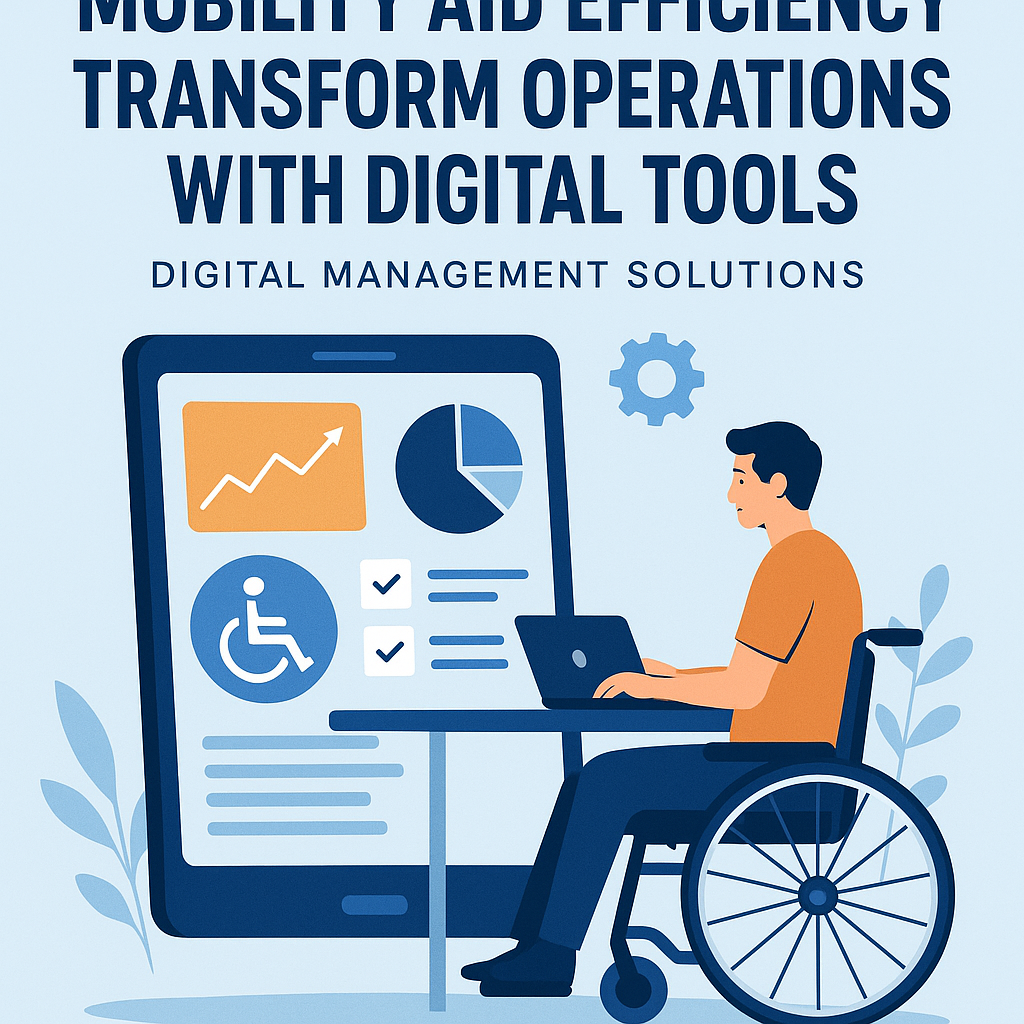
Empower Your Mobility Aid Operations with Digital Management Solutions
In the realm of healthcare and assistive devices, the landscape is rapidly shifting from traditional paper-based processes to efficient, digital management solutions. The need for mobility-aid providers to embrace digital tools has never been more paramount. By leveraging mobility aid management software, digital maintenance apps, and backend platforms, providers can revolutionize their operations, minimize downtime, streamline maintenance, and ultimately ensure the satisfaction of their end users.
Pain Points in Traditional Mobility-Aid Management
In the conventional approach to managing mobility aids, several challenges are prevalent. Manual record-keeping often results in lost logs and data entry errors. Reactive maintenance leads to expensive emergency repairs and prolonged device downtime. Additionally, the lack of real-time visibility can cause inventory discrepancies, under-/over-utilization of devices, and fragmented communication between field technicians, administrators, and end users.
The Digital Solution Landscape
Mobile Apps for Field Technicians
- Digital work orders and maintenance checklists
- Barcode or RFID scanning for asset tracking
- On-site photo uploads and notes for comprehensive documentation
Cloud-Based Backend Platforms
- Centralized device database and user profiles
- Automated scheduling and reminders for proactive maintenance
- Real-time dashboards displaying device uptime, service history, and key performance indicators
- Integration capabilities with ERP, CRM, and EHR systems
Data Analytics and Reporting Modules
- Analyze usage trends and predict failures
- Calculate cost-per-device and return on investment
- Generate customizable reports for different stakeholders
Key Business Benefits
By implementing digital management tools, mobility-aid providers can unlock a plethora of benefits:
- Drastically reduced downtime and emergency repair costs
- Prolonged device lifespan through proactive maintenance practices
- Optimized inventory levels and efficient redeployment of surplus devices
- Enhanced regulatory compliance and audit readiness
- Elevated patient satisfaction and trust in the quality of service provided
Step-by-Step Implementation Guide
Assess Current Processes & Define Objectives
- Map existing workflows, identify bottlenecks, and set clear target KPIs.
Evaluate & Select the Right Software
- Create a must-have features checklist and compare vendors based on scalability, support, and pricing models.
System Integration & Data Migration
- Implement best practices for importing historical data and connect the new system with existing platforms.
User Onboarding & Training
- Develop role-based training plans and execute effective change management strategies.
Rollout & Continuous Improvement
- Deploy the system in phases, gather feedback, and iterate on workflows for ongoing enhancement.
Real-World Case Study: Tenrova’s Digital Transformation
Tenrova Healthcare, faced with high emergency repair rates and manual dispatch delays, transformed their operations by deploying the Tenrova Mobile App and Cloud Dashboard in three pilot centers. The results were remarkable: a 35% reduction in device downtime, a 20% decrease in maintenance costs, and an impressive 98% on-time service completion rate.
Best Practices & Pro Tips
- Schedule maintenance based on data-driven risk scoring for targeted interventions.
- Utilize push notifications to ensure user compliance with maintenance schedules.
- Set up role-based dashboards for instant visibility into crucial metrics.
- Regularly review KPI reports and adjust preventive maintenance schedules accordingly.
Elevate Your Mobility Aid Management with Tenrova Healthcare
Are you a healthcare importer, distributor, or elderly care buyer seeking to optimize your mobility aid operations? Discover how Tenrova’s innovative solutions can transform your business today. Contact us for a personalized consultation and take the first step towards digital excellence in mobility aid management.# Transforming Mobility-Aid Management: Leveraging Digital Tools for Enhanced Efficiency
In a rapidly evolving landscape where digitalization has become imperative across industries, the field of healthcare and assistive devices is no exception. The surge of digital management tools such as mobility aid management software, digital maintenance apps, and equipment management platforms is revolutionizing the operations of mobility-aid providers. By embracing these advanced technologies, providers can significantly enhance operational efficiency, minimize downtime, streamline maintenance processes, and ultimately deliver an improved experience for end-users.
Pain Points in Traditional Mobility-Aid Management
Before delving into the realm of digital solutions, it’s crucial to understand the key challenges faced by providers in traditional mobility-aid management. Manual record-keeping often leads to lost logs and data entry errors, while reactive maintenance practices result in costly emergency repairs and prolonged device downtime. Moreover, the lack of real-time visibility into inventory levels and device utilization creates inefficiencies and communication gaps between field technicians, administrators, and end-users.
Navigating the Digital Solution Landscape
Mobile Apps for Field Technicians
One of the cornerstone solutions in modern mobility-aid management is the utilization of mobile apps tailored for field technicians. These apps offer digital work orders, maintenance checklists, barcode/RFID scanning for asset tracking, and the convenient upload of on-site photos and notes.
Cloud-Based Backend Platforms
Complementing mobile apps, cloud-based backend platforms provide a centralized device database, user profiles, automated scheduling, reminders, and real-time dashboards displaying critical metrics such as uptime, service history, and key performance indicators. These platforms seamlessly integrate with existing enterprise systems for enhanced operational efficiency.
Data Analytics & Reporting Modules
Empowered by data analytics and reporting modules, providers can gain actionable insights into usage trends, failure predictions, cost-per-device evaluations, and customizable reports for stakeholders. This data-driven approach enables informed decision-making and proactive maintenance strategies.
Unlocking Key Business Benefits
By leveraging digital tools for mobility-aid management, providers can unlock a myriad of business benefits, including reduced downtime and emergency repair costs, extended device lifespan through proactive maintenance, optimized inventory levels, compliance adherence, and enhanced patient satisfaction.
Embarking on the Digital Transformation Journey
Step-by-Step Implementation Guide
- Assess Current Processes & Define Objectives: Map workflows, identify bottlenecks, and set target KPIs.
- Evaluate & Select the Right Software: Consider must-have features, vendor scalability, support, and pricing models.
- System Integration & Data Migration: Implement best practices for seamless data migration and system integration.
- User Onboarding & Training: Develop role-based training plans and effective change management strategies.
- Rollout & Continuous Improvement: Deploy in phases, gather feedback, and iterate on workflows for continuous enhancement.
Real-World Case Study: Tenrova’s Digital Transformation
Tenrova, a leading mobility-aid provider, successfully implemented a digital transformation strategy by deploying its mobile app and cloud dashboard in pilot centers. The results were remarkable, with a 35% reduction in device downtime, 20% lower maintenance costs, and a 98% on-time service completion rate.
Best Practices & Pro Tips
To optimize the digital management of mobility aids, consider scheduling maintenance based on data-driven risk scoring, leveraging push notifications for user compliance, setting up role-based dashboards for instant visibility, and regularly reviewing KPI reports to refine preventive schedules.
In conclusion, the adoption of digital tools for mobility-aid management is crucial for providers looking to enhance operational efficiency, reduce costs, and elevate the overall quality of care for end-users. By embracing innovation and leveraging technology, healthcare importers, distributors, and elderly care buyers can embark on a transformative journey towards a more efficient and sustainable future.
Call to Action: To learn more about Tenrova’s cutting-edge digital solutions for mobility-aid management, contact us today for a personalized consultation.Digital Management for Mobility Aids: Revolutionizing Efficiency with Technology
In today’s fast-paced healthcare landscape, the management of mobility aids such as wheelchairs and walkers is undergoing a significant transformation. The shift from traditional paper-based processes to digital operations is empowering mobility-aid providers to enhance efficiency, reduce downtime, and improve overall user satisfaction. By leveraging cutting-edge digital tools like mobility aid management software, digital maintenance apps, and backend platforms, providers can streamline their operations and deliver better care to their clients.
Pain Points in Traditional Mobility-Aid Management
Manual record-keeping, reactive maintenance, and limited real-time visibility have long plagued mobility-aid providers. Lost logs, data entry errors, expensive emergency repairs, and fragmented communication between field technicians, administrators, and end users have led to inefficiencies and decreased service quality.
Digital Solution Landscape
Mobile Apps for Field Technicians
- Digitized work orders and maintenance checklists
- Barcode and RFID scanning for asset tracking
- On-site photo uploads and notes capture
Cloud-Based Backend Platforms
- Centralized device database and user profiles
- Automated scheduling and reminders
- Real-time dashboards showcasing device uptime, service history, and key performance indicators
- Integration capabilities with ERP, CRM, and EHR systems
Data Analytics and Reporting Modules
- Analysis of usage trends and failure predictions
- Cost-per-device and ROI calculations
- Customizable reports for stakeholders
Key Business Benefits
By embracing digital management tools, mobility-aid providers can unlock a plethora of benefits such as reduced downtime, extended device lifespan through proactive maintenance, optimized inventory levels, enhanced regulatory compliance, and improved patient satisfaction. Quantified examples showcase how these benefits translate into tangible cost savings and improved operational efficiency.
Step-by-Step Implementation Guide
- Assess Current Processes and Define Objectives
- Evaluate and Select the Right Software
- System Integration and Data Migration
- User Onboarding and Training
- Rollout and Continuous Improvement
Real-World Case Study: Tenrova’s Digital Transformation
Tenrova Healthcare faced challenges with high emergency repair rates and manual dispatch delays. By deploying the Tenrova Mobile App and Cloud Dashboard in three pilot centers, they achieved impressive results including a 35% reduction in device downtime, 20% lower maintenance costs, and a remarkable 98% on-time service completion rate.
Best Practices and Pro Tips
- Schedule maintenance based on data-driven risk scoring
- Utilize push notifications for user compliance reminders
- Implement role-based dashboards for instant visibility
- Regularly review KPI reports and adjust preventive schedules.
In conclusion, digital management solutions are revolutionizing the efficiency and effectiveness of mobility-aid operations. By integrating technology-driven tools and platforms, healthcare importers, distributors, and elderly care buyers can enhance service delivery, optimize resources, and improve user outcomes. It’s time to embrace the future of mobility aid management with Tenrova Healthcare.
Call to Action: To learn more about how Tenrova Healthcare can transform your mobility-aid operations, contact us today for a personalized consultation. Let’s embark on a journey towards enhanced efficiency and superior care delivery together.# Digital Management for Mobility Aids: Revolutionizing Operations for Healthcare Providers
In today’s fast-paced healthcare landscape, the management of mobility aids is undergoing a significant transformation. As healthcare importers, distributors, and elderly care buyers, the need to streamline operations and enhance efficiency is paramount. By embracing digital tools such as mobility aid management software, digital maintenance apps, and equipment management platforms, providers can achieve lower downtime, streamlined maintenance, and ultimately, ensure happier users.
The Shift to Digital Operations in Healthcare
Gone are the days of paper-based processes for managing assistive devices. Today, the digital revolution is paving the way for healthcare providers to leverage advanced technologies to optimize operations. In this article, we will delve into the benefits of adopting digital solutions for mobility aids and discuss the tools and steps required for successful implementation.
Pain Points in Traditional Mobility-Aid Management
One of the key challenges faced by healthcare providers in managing mobility aids is the reliance on manual record-keeping methods. This often results in lost logs, data entry errors, and fragmented communication between field technicians, administrators, and end-users. Furthermore, reactive maintenance practices can lead to costly emergency repairs and device downtime, impacting overall operational efficiency.
Digital Solution Landscape
Mobile Apps for Field Technicians
Digital work orders, maintenance checklists, and barcode/RFID scanning capabilities are transforming how field technicians manage device operations. With on-site photo uploads and notes, technicians can ensure accurate and timely maintenance activities, enhancing overall device performance.
Cloud-Based Backend Platforms
Centralized device databases, automated scheduling, and real-time dashboards provide a comprehensive overview of device status, service history, and key performance indicators. Integration with existing systems such as ERP, CRM, and EHR systems enables seamless data flow and enhanced operational visibility.
Data Analytics & Reporting Modules
By leveraging data analytics and reporting modules, healthcare providers can gain insights into device usage trends, predict failures, and calculate the cost per device. Customizable reports empower stakeholders with actionable information to drive informed decision-making.
Key Business Benefits
The adoption of digital management tools for mobility aids offers a myriad of business benefits. From reducing downtime and emergency repair costs to extending device lifespan through proactive maintenance, providers can optimize inventory levels, ensure regulatory compliance, and enhance patient satisfaction and trust.
Step-by-Step Implementation Guide
To successfully implement digital management solutions for mobility aids, providers should follow a structured approach:
- Assess Current Processes & Define Objectives
- Evaluate & Select the Right Software
- System Integration & Data Migration
- User Onboarding & Training
- Rollout & Continuous Improvement
Real-World Case Study: Tenrova’s Digital Transformation
By deploying the Tenrova Mobile App and Cloud Dashboard in pilot centers, healthcare providers have witnessed tangible results. A 35% reduction in device downtime, 20% lower maintenance costs, and a 98% on-time service completion rate highlight the positive impact of digital transformation on mobility aid operations.
Best Practices & Pro Tips
Implementing data-driven risk scoring for maintenance scheduling, leveraging push notifications for user compliance reminders, setting up role-based dashboards for instant visibility, and regularly reviewing KPI reports are key best practices for optimizing mobility aid management.
In conclusion, the digital transformation of mobility aid operations offers a wealth of opportunities for healthcare providers to enhance efficiency, reduce costs, and improve user satisfaction. By embracing digital management tools, importers, distributors, and elderly care buyers can revolutionize their operations and stay ahead in the competitive healthcare landscape.
For more information on how Tenrova Healthcare can support your digital transformation journey, contact us today!
CTA: Contact Tenrova Healthcare for a personalized consultation on transforming your mobility aid operations with cutting-edge digital solutions.Title: Transforming Mobility-Aid Operations: Leveraging Digital Tools for Efficiency
Introduction
In the realm of healthcare and assistive devices, the shift from paper-based to digital operations is revolutionizing the efficiency and quality of mobility-aid management. It is crucial for mobility-aid providers to embrace digital management solutions to ensure lower downtime, streamlined maintenance, and increased user satisfaction. This article explores the transformative power of digital tools such as mobility aid management software, digital maintenance apps, and backend platforms in optimizing device operations.
Pain Points in Traditional Mobility-Aid Management
Traditional methods of mobility-aid management often lead to manual record-keeping errors, reactive maintenance practices, and a lack of real-time visibility into inventory and device utilization. These challenges result in lost logs, costly emergency repairs, and fragmented communication between field technicians, administrators, and end-users.
Digital Solution Landscape
Mobile Apps for Field Technicians
- Digital work orders & maintenance checklists
- Barcode/RFID scanning for asset tracking
- On-site photo uploads and notes
Cloud-Based Backend Platforms
- Centralized device database & user profiles
- Automated scheduling & reminders
- Real-time dashboards displaying uptime, service history, and KPIs
- Integration with ERP/CRM/EHR systems
Data Analytics & Reporting Modules
- Usage trends & failure predictions
- Cost-per-device and ROI calculations
- Customizable reports for stakeholders
Key Business Benefits
Implementing digital management tools brings several tangible benefits, including reduced downtime, extended device lifespan, optimized inventory levels, and enhanced regulatory compliance. These improvements lead to lower emergency repair costs, proactive maintenance strategies, and increased patient satisfaction and trust.
Step-by-Step Implementation Guide
Assess Current Processes & Define Objectives
- Map workflows, identify bottlenecks, set target KPIs
Evaluate & Select the Right Software
- Consider must-have features and compare vendors for scalability, support, and pricing.
System Integration & Data Migration
- Follow best practices for importing data and establishing API connections.
User Onboarding & Training
- Develop role-based training plans and manage change effectively.
Rollout & Continuous Improvement
- Deploy in phases, gather feedback, and iterate on workflows for continual enhancement.
Real-World Case Study: Tenrova’s Digital Transformation
Tenrova Healthcare faced challenges with high emergency repair rates and manual dispatch delays. By deploying the Tenrova Mobile App and Cloud Dashboard in pilot centers, they achieved a 35% reduction in device downtime, a 20% decrease in maintenance costs, and a 98% on-time service completion rate.
Best Practices & Pro Tips
- Schedule maintenance based on data-driven risk scoring
- Utilize push notifications for user compliance reminders
- Establish role-based dashboards for instant visibility
- Regularly review KPI reports and adjust preventive schedules
As healthcare importers, distributors, and elderly care buyers, leveraging digital tools for mobility-aid management can significantly enhance operational efficiency and user satisfaction. Embrace digital transformation to propel your mobility-aid operations to new heights.
Call to Action: Ready to enhance your mobility-aid operations with digital management tools? Contact Tenrova Healthcare today to explore how our solutions can transform your device operations.