
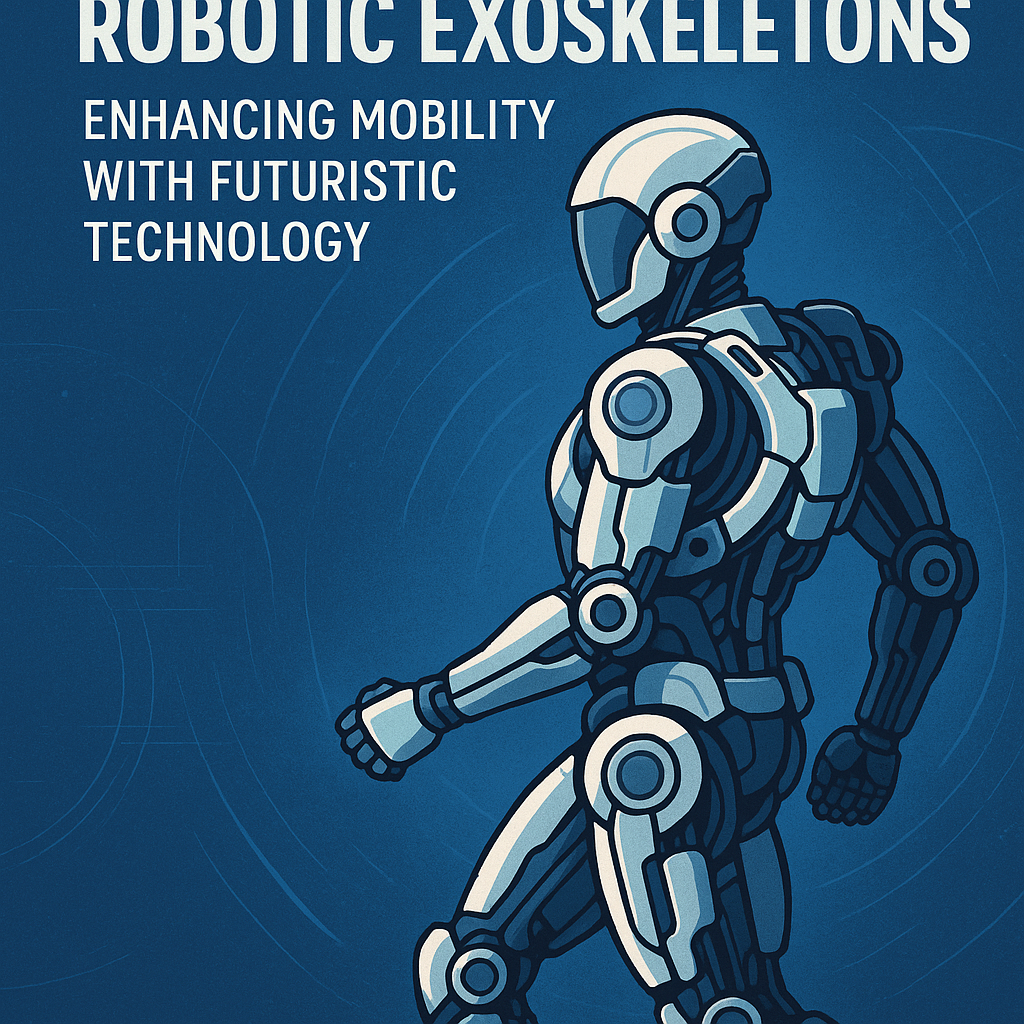
Transforming Mobility with Wearable Robotic Exoskeletons: A Game-Changer for Rehabilitation and Daily Life
Wearable robotic exoskeletons have emerged as a revolutionary technology in the healthcare landscape, offering transformative solutions for individuals with mobility impairments. These advanced devices, also known as wearable mobility aids, hold immense potential in restoring gait, enhancing strength, and promoting independence among various patient populations, including stroke survivors, spinal-cord injury patients, and the elderly.
Understanding Wearable Exoskeletons
At the core of wearable robotic exoskeletons lies the fusion of cutting-edge technology and biomechanical principles. These devices come in two main classifications: rigid exoskeletons and soft exosuits. Rigid exoskeletons are characterized by their robust structure, often incorporating external frames and actuators, while soft exosuits utilize flexible materials and textile-based designs to provide support and assistance.
Key components of wearable exoskeletons include actuators for generating movement, sensors for detecting user inputs and environmental feedback, power sources to drive the system, and control units to coordinate the device’s functions. By mimicking or augmenting human movement patterns, these exoskeletons offer personalized assistance tailored to the wearer’s needs.
Clinical Applications & User Benefits
- Stroke Rehabilitation: Wearable robotic exoskeletons play a pivotal role in improving gait symmetry and promoting neuroplasticity in stroke survivors, facilitating a faster and more effective recovery process.
- Spinal Cord Injury & Paraplegia: For individuals with spinal cord injuries, exoskeletons enable upright mobility, weight-bearing, and enhanced quality of life.
- Age-Related Mobility Decline: The elderly benefit from exoskeletons in preventing falls, maintaining muscle strength, and supporting daily activities, thus promoting active aging.
- Community & Home Use: Beyond clinical settings, wearable exoskeletons offer valuable assistance in daily tasks at home, reducing fatigue and enhancing overall well-being.
Safety, Standards & Regulatory Landscape
The deployment of wearable exoskeletons in healthcare settings adheres to stringent international safety standards set by organizations like the International Organization for Standardization (ISO), the Food and Drug Administration (FDA), and the Conformité Européenne (CE). These regulations ensure that device testing covers aspects such as load limits, emergency stop mechanisms, and fail-safe modes to guarantee user safety.
Implementing Exoskeleton Programs in Rehab Centers
Rehabilitation centers looking to incorporate wearable exoskeletons into their treatment protocols must consider various factors. This includes ensuring adequate space, suitable flooring, and power outlets, as well as providing comprehensive training for therapists, technicians, and support staff. Patient assessment, selection criteria, session protocols, and maintenance schedules are crucial elements in delivering effective exoskeleton-assisted therapy.
Challenges & Mitigation Strategies
Despite the numerous benefits of wearable exoskeletons, challenges such as high device costs, reimbursement models, battery life concerns, user comfort, and data management issues persist. Implementing effective mitigation strategies, such as exploring alternative financing options, prioritizing user comfort and customization, and investing in data integration solutions, can help address these obstacles.
Future Trends & Innovations
Looking ahead, the field of wearable exoskeletons is poised for significant growth and innovation. Advances in AI-driven adaptive control algorithms, lightweight materials, soft robotics, VR/AR integration, remote monitoring capabilities, and tele-rehab possibilities are on the horizon, promising enhanced therapeutic outcomes and improved patient experiences.
In conclusion, wearable robotic exoskeletons represent a paradigm shift in mobility assistance, rehabilitation, and independent living for individuals with mobility impairments. By harnessing the power of technology and biomechanics, these devices offer a path to renewed mobility, improved quality of life, and greater independence for those in need.
Join the revolution in mobility assistance with wearable robotic exoskeletons from Tenrova Healthcare. Contact us today to explore innovative solutions for rehabilitation and elderly care.
Wearable Robotic Exoskeletons: Revolutionizing Mobility Assistance in Healthcare
In the realm of healthcare innovation, wearable robotic exoskeletons have emerged as a transformative technology, offering remarkable benefits for individuals with mobility impairments. These advanced devices, often referred to as exosuits or exoskeletons, play a vital role in enhancing rehabilitation outcomes and fostering independence for a diverse range of users. In this article, we delve into the technology, clinical applications, and implementation strategies of robotic exoskeletons, shedding light on their profound impact on rehabilitation and daily living.
Understanding Wearable Exoskeletons
At the core of wearable robotic exoskeletons lies their sophisticated design that integrates technology with biomechanics to assist users in various movements. These exoskeletons are commonly classified into rigid and soft exosuits, each serving specific therapeutic purposes. Essential components of these devices include actuators, sensors, power sources, and control units, which work synergistically to mimic or augment human movement patterns effectively.
Clinical Applications & User Benefits
Wearable robotic exoskeletons have shown remarkable efficacy across a spectrum of clinical applications. In stroke rehabilitation, these devices help improve gait symmetry and promote neuroplasticity, crucial for enhancing motor function recovery. For individuals with spinal cord injuries or paraplegia, exoskeletons enable upright mobility and weight-bearing, fostering independence and mobility. Moreover, in addressing age-related mobility decline, exoskeletons aid in fall prevention, strength maintenance, and overall well-being.
Safety, Standards & Regulatory Landscape
Ensuring the safety and efficacy of wearable robotic exoskeletons is paramount in their deployment within healthcare settings. International safety norms set by organizations such as the ISO, FDA, and CE govern the regulatory landscape for these devices, emphasizing rigorous testing protocols, including load limits, emergency stops, and fail-safe mechanisms. Patient screening and adherence to contraindications play a pivotal role in optimizing the usage of exoskeletons.
Implementing Exoskeleton Programs in Rehab Centers
The successful implementation of exoskeleton programs in rehabilitation centers necessitates meticulous planning and execution. Factors such as facility requirements, staff training, patient assessment criteria, session protocols, and maintenance schedules play pivotal roles in ensuring the seamless integration of exoskeleton technology into clinical practice.
Challenges & Mitigation Strategies
Despite the numerous benefits offered by wearable robotic exoskeletons, challenges such as high device costs, battery life considerations, user comfort, and data management complexities remain prevalent. Innovative mitigation strategies, including advancements in adaptive control algorithms, lightweight materials, and integration with virtual reality for immersive therapy, are being actively pursued to overcome these challenges.
Case Study: Revivo ExoSuit in Action
To exemplify the real-world impact of wearable robotic exoskeletons, consider the case of the Revivo ExoSuit. By showcasing client profiles, deployment procedures, and measurable outcomes, such case studies offer valuable insights into the efficacy and application of exoskeleton technology in rehabilitation settings.
Future Trends & Innovations
The future of wearable robotic exoskeletons is marked by exciting advancements, including AI-driven control algorithms, lightweight materials, virtual/augmented reality integration, remote monitoring capabilities, and enhanced interoperability with electronic health record systems. These innovations hold immense promise in further improving rehabilitation outcomes and enhancing the quality of care for individuals with mobility impairments.
In conclusion, wearable robotic exoskeletons represent a groundbreaking technological advancement in healthcare, offering unparalleled support for individuals with mobility impairments. As healthcare importers, distributors, and elderly care buyers, exploring the potential of these innovative devices can significantly enhance the quality of care and promote independence for those in need. Stay tuned for more updates on the latest advancements in wearable robotic exoskeleton technology.
Contact Tenrova Healthcare today to explore cutting-edge solutions for transformative care and mobility assistance.# Decoding the Impact of Wearable Robotic Exoskeletons on Mobility Assistance
Imagine a world where individuals with mobility impairments can regain their independence and mobility with the help of cutting-edge technology. This vision is becoming a reality through the revolutionary advancements in wearable robotic exoskeletons. These innovative devices are transforming the landscape of rehabilitation and daily life for stroke survivors, spinal-cord injury patients, and the elderly. In this article, we delve into the technology, clinical applications, and implementation strategies of wearable robotic exoskeletons, shedding light on how they restore gait, build strength, and enhance independence.
Understanding Wearable Exoskeletons
Wearable robotic exoskeletons can be categorized into rigid and soft exosuits, each designed to cater to specific needs and functionalities. These exoskeletons consist of core components such as actuators, sensors, power sources, and control units, enabling them to mimic or augment human movement with precision and accuracy.
Clinical Applications & User Benefits
Stroke Rehabilitation
One of the key applications of wearable robotic exoskeletons is in stroke rehabilitation, where they aid in improving gait symmetry and fostering neuroplasticity, enabling stroke survivors to regain mobility and functionality.
Spinal Cord Injury & Paraplegia
For individuals with spinal cord injuries or paraplegia, wearable exoskeletons facilitate upright mobility and weight-bearing, offering a new sense of freedom and independence.
Age-Related Mobility Decline
In the realm of age-related mobility decline, these devices play a crucial role in fall prevention, maintenance of strength, and promoting active aging by enhancing the quality of life for the elderly.
Community & Home Use
Beyond clinical settings, wearable exoskeletons are increasingly being adopted for community and home use, providing daily assistance and reducing fatigue for users in their day-to-day activities.
Safety, Standards & Regulatory Landscape
The safety and regulatory aspects of wearable exoskeletons are paramount. Adhering to international safety norms such as ISO, FDA, and CE ensures that these devices meet strict quality standards. Device testing protocols including load limits, emergency stops, and fail-safe modes are implemented to safeguard users and ensure optimal performance.
Implementing Exoskeleton Programs in Rehab Centers
To effectively integrate wearable exoskeleton programs in rehabilitation centers, various factors need to be considered. From facility requirements to staff training, patient assessment, session protocols, and maintenance schedules, a comprehensive approach is essential to deliver optimal outcomes for users.
Challenges & Mitigation Strategies
Despite their transformative potential, wearable exoskeletons come with challenges such as high device costs, battery life limitations, user comfort issues, and data management complexities. Implementing mitigation strategies is crucial to address these challenges and optimize user experience.
Future Trends & Innovations
Looking ahead, the future of wearable robotic exoskeletons is filled with exciting possibilities. AI-driven adaptive control algorithms, advancements in lightweight materials, integration with VR/AR for immersive therapy, remote monitoring capabilities, and tele-rehab options are set to revolutionize the field of mobility assistance.
In conclusion, wearable robotic exoskeletons are poised to revolutionize the way we approach rehabilitation and daily mobility assistance. With their transformative capabilities and potential to enhance independence and quality of life, these devices are a game-changer in the realm of healthcare. Stay tuned for the future of mobility assistance through wearable robotic exoskeletons.
Explore the limitless possibilities of wearable robotic exoskeletons with Tenrova Healthcare. Contact us today to revolutionize your approach to mobility assistance.Understanding Wearable Exoskeletons
Wearable robotic exoskeletons have emerged as a transformative technology in the field of healthcare, particularly in rehabilitation and daily living assistance. These devices, also known as exosuits, offer a unique combination of mobility support and physiological assistance, catering to a diverse range of individuals with mobility impairments. In this article, we will delve into the technology, clinical applications, and implementation strategies of robotic exoskeletons to provide valuable insights to healthcare importers, distributors, and elderly care buyers.
Definition and Classification
Wearable exoskeletons can be broadly classified into two main categories: rigid exoskeletons and soft exosuits. Rigid exoskeletons are typically made of strong, durable materials to provide stability and support, while soft exosuits utilize flexible materials that offer a more natural range of motion. These devices consist of core components such as actuators, sensors, power sources, and control units, which work together to mimic or augment human movement seamlessly.
Clinical Applications & User Benefits
- Stroke Rehabilitation: Robotic exoskeletons play a crucial role in improving gait symmetry and promoting neuroplasticity in stroke survivors, aiding in their recovery process.
- Spinal Cord Injury & Paraplegia: For individuals with spinal cord injuries, exoskeletons enable upright mobility and facilitate weight-bearing exercises, enhancing their quality of life.
- Age-Related Mobility Decline: The elderly population benefits from exoskeletons by preventing falls, maintaining strength, and promoting independent living.
- Community & Home Use: In daily living activities, wearable exoskeletons provide essential assistance, reducing fatigue and increasing mobility freedom.
Safety, Standards & Regulatory Landscape
International safety norms such as ISO, FDA, and CE certifications ensure that wearable exoskeletons meet stringent quality and safety standards. Device testing protocols focus on load limits, emergency stops, and fail-safe modes to guarantee user safety. Patient screening and contraindications are crucial aspects to consider before deploying exoskeletons in clinical settings.
Implementing Exoskeleton Programs in Rehab Centers
Rehabilitation centers looking to introduce exoskeleton programs must address various factors, including facility requirements, staff training, patient assessment criteria, session protocols, and maintenance schedules. Proper integration of exoskeleton therapy into rehabilitation programs can significantly improve patient outcomes and overall treatment efficiency.
Challenges & Mitigation Strategies
Despite the many benefits of wearable exoskeletons, challenges such as high device costs, complex reimbursement models, battery life limitations, and user comfort issues exist. Implementing effective mitigation strategies and exploring innovative solutions can help overcome these obstacles and enhance the overall user experience.
Case Study: Revivo ExoSuit in Action
A notable case study showcasing the effectiveness of wearable exoskeletons is the deployment of the Revivo ExoSuit. By customizing therapy sessions based on individual mobility goals, this exoskeleton has demonstrated significant improvements in gait speed, muscle activation metrics, and positive patient feedback, highlighting its efficacy in rehabilitation settings.
Future Trends & Innovations
Looking ahead, the future of wearable exoskeletons is ripe with exciting innovations. AI-driven adaptive control algorithms, advancements in lightweight materials, integration with VR/AR technologies, remote monitoring capabilities, and interoperability with electronic health records are some of the key trends shaping the evolution of exoskeleton technology.
In conclusion, wearable exoskeletons are revolutionizing mobility assistance in rehabilitation and daily life, offering a range of benefits to users across different demographics. As healthcare importers, distributors, and elderly care buyers navigate the landscape of robotic exoskeletons, staying informed about the latest technologies, clinical applications, and implementation strategies is essential for making informed decisions and improving patient outcomes.
CTA: Explore the possibilities of wearable exoskeleton technology for your healthcare organization today and enhance the quality of care for your patients and clients. Contact Tenrova Healthcare for tailored solutions and expert guidance in implementing robotic exoskeleton programs.The Revolution of Wearable Robotic Exoskeletons in Healthcare
Wearable robotic exoskeletons have emerged as a groundbreaking technology that is transforming the landscape of mobility assistance in rehabilitation and daily life. Designed to restore gait, build strength, and enhance independence for individuals with mobility impairments, these innovative devices are revolutionizing the way we approach healthcare and rehabilitation. In this article, we will delve into the technology, clinical applications, and implementation strategies of robotic exoskeletons, shedding light on their myriad benefits for stroke survivors, spinal-cord injury patients, and the elderly.
Understanding Wearable Exoskeletons
Wearable exoskeletons can be classified into rigid and soft exosuits, each offering unique advantages in terms of mobility assistance. These devices encompass core components such as actuators, sensors, power sources, and control units, which work in harmony to mimic or augment human movement seamlessly.
Clinical Applications and User Benefits
In stroke rehabilitation, wearable exoskeletons play a pivotal role in improving gait symmetry and promoting neuroplasticity, facilitating faster recovery and improved mobility. For individuals with spinal cord injuries or paraplegia, exoskeletons enable upright mobility and weight-bearing, enhancing both physical and psychological well-being. In the context of age-related mobility decline, these devices aid in fall prevention, strength maintenance, and overall enhancement of quality of life.
Safety, Standards, and Regulatory Landscape
The safety and regulatory standards governing wearable exoskeletons are paramount to ensuring patient well-being and efficacy. International norms such as ISO, FDA, and CE certifications mandate rigorous device testing, patient screening, and contraindications to mitigate risks and ensure compliance with safety protocols.
Implementing Exoskeleton Programs in Rehab Centers
The successful deployment of exoskeleton programs in rehabilitation centers requires meticulous planning and execution. From facility requirements to staff training, patient assessment, and session protocols, a holistic approach is crucial to maximize the benefits of exoskeleton therapy.
Challenges and Mitigation Strategies
Despite their myriad benefits, wearable exoskeletons come with their set of challenges such as high device costs and user comfort issues. Mitigation strategies involve addressing these challenges through innovative reimbursement models, customization for user comfort, and seamless integration with existing healthcare systems.
Case Study: Revivo ExoSuit in Action
A case study showcasing the application of the Revivo ExoSuit highlights the transformative impact of wearable exoskeleton therapy on patient outcomes. From setup and training to monitoring progress and achieving mobility goals, such case studies underscore the efficacy and relevance of exoskeleton technology in healthcare.
Future Trends and Innovations
The future of wearable exoskeleton technology is poised for exciting advancements, including AI-driven adaptive control algorithms, lightweight materials, integration with VR/AR, remote monitoring, and tele-rehab possibilities. These innovations are poised to revolutionize the field of rehabilitation and improve patient outcomes significantly.
In conclusion, wearable robotic exoskeletons represent a paradigm shift in healthcare, offering unparalleled benefits for individuals with mobility impairments. As healthcare importers, distributors, and elderly care buyers, embracing this transformative technology can pave the way for enhanced patient care and improved quality of life.
Call to Action: To explore the possibilities of integrating wearable robotic exoskeletons into your healthcare facility or organization, reach out to Tenrova Healthcare today for a consultation and demonstration of the latest exoskeleton technology.# Shaping the Future of Healthcare with Wearable Robotic Exoskeletons
The emergence of wearable robotic exoskeletons represents a groundbreaking advancement in the realm of healthcare technology. These innovative devices are revolutionizing mobility assistance in rehabilitation and daily life, offering hope and transformation to individuals facing challenges in movement due to various health conditions. In this article, we delve into the technology, clinical applications, and implementation strategies of robotic exoskeletons, shedding light on their remarkable capabilities and benefits for patients. Healthcare importers, distributors, and elderly care buyers, this is your ultimate guide to understanding the potential impact of wearable robotic exoskeletons.
Understanding Wearable Exoskeletons
Wearable robotic exoskeletons can be classified into rigid and soft exosuits, with each type offering unique benefits and applications. These devices consist of core components such as actuators, sensors, power sources, and control units that work together to mimic or augment human movement, providing vital support to individuals with mobility impairments.
Clinical Applications & User Benefits
Stroke Rehabilitation
Robotic exoskeletons play a crucial role in stroke rehabilitation by improving gait symmetry and promoting neuroplasticity, aiding stroke survivors in regaining mobility and independence.
Spinal Cord Injury & Paraplegia
For individuals with spinal cord injuries or paraplegia, exoskeletons enable upright mobility and weight-bearing, enhancing quality of life and promoting physical well-being.
Age-Related Mobility Decline
In the elderly population, wearable exoskeletons help prevent falls, maintain muscle strength, and support daily activities, contributing to improved health outcomes and independence.
Community & Home Use
Robotic exoskeletons also offer invaluable assistance in community and home settings, reducing fatigue and providing support for routine tasks, empowering users to engage more actively in daily life.
Safety, Standards & Regulatory Landscape
To ensure the safety and efficacy of wearable exoskeletons, adherence to international safety norms like ISO, FDA, and CE certifications is essential. Rigorous device testing, patient screening protocols, and continuous monitoring are integral parts of the regulatory framework governing exoskeleton deployment.
Implementing Exoskeleton Programs in Rehab Centers
Rehabilitation centers seeking to integrate exoskeleton programs must consider facility requirements, staff training, patient assessment criteria, session protocols, and maintenance schedules to optimize the delivery of care and achieve positive outcomes for patients.
Challenges & Mitigation Strategies
Despite the remarkable benefits of exoskeleton technology, challenges such as device cost, battery life, user comfort, and data management exist. Addressing these challenges through innovative strategies and partnerships is key to maximizing the potential of robotic exoskeletons.
Case Study: Revivo ExoSuit in Action
The deployment of the Revivo ExoSuit showcases the real-world impact of wearable exoskeletons on patient mobility. Through a detailed case study, we explore the client’s journey, deployment process, and outcomes achieved, highlighting the transformative effects of exoskeleton therapy.
Future Trends & Innovations
As the field of wearable exoskeletons continues to evolve, future trends such as AI-driven control algorithms, lightweight materials, integration with VR/AR technologies, and remote monitoring capabilities are set to reshape the landscape of rehabilitation and mobility assistance, offering new possibilities for enhanced patient care and outcomes.
In conclusion, wearable robotic exoskeletons stand at the forefront of healthcare innovation, transforming the way mobility assistance is delivered and empowering individuals to overcome physical limitations. For healthcare importers, distributors, and elderly care buyers, investing in this transformative technology holds immense potential to revolutionize patient care and improve quality of life. Join the movement towards a future where mobility knows no boundaries.
[CTA] – To explore the latest advancements in wearable robotic exoskeletons and enhance your healthcare offerings, contact Tenrova Healthcare today and unlock a world of possibilities for transformative patient care.