
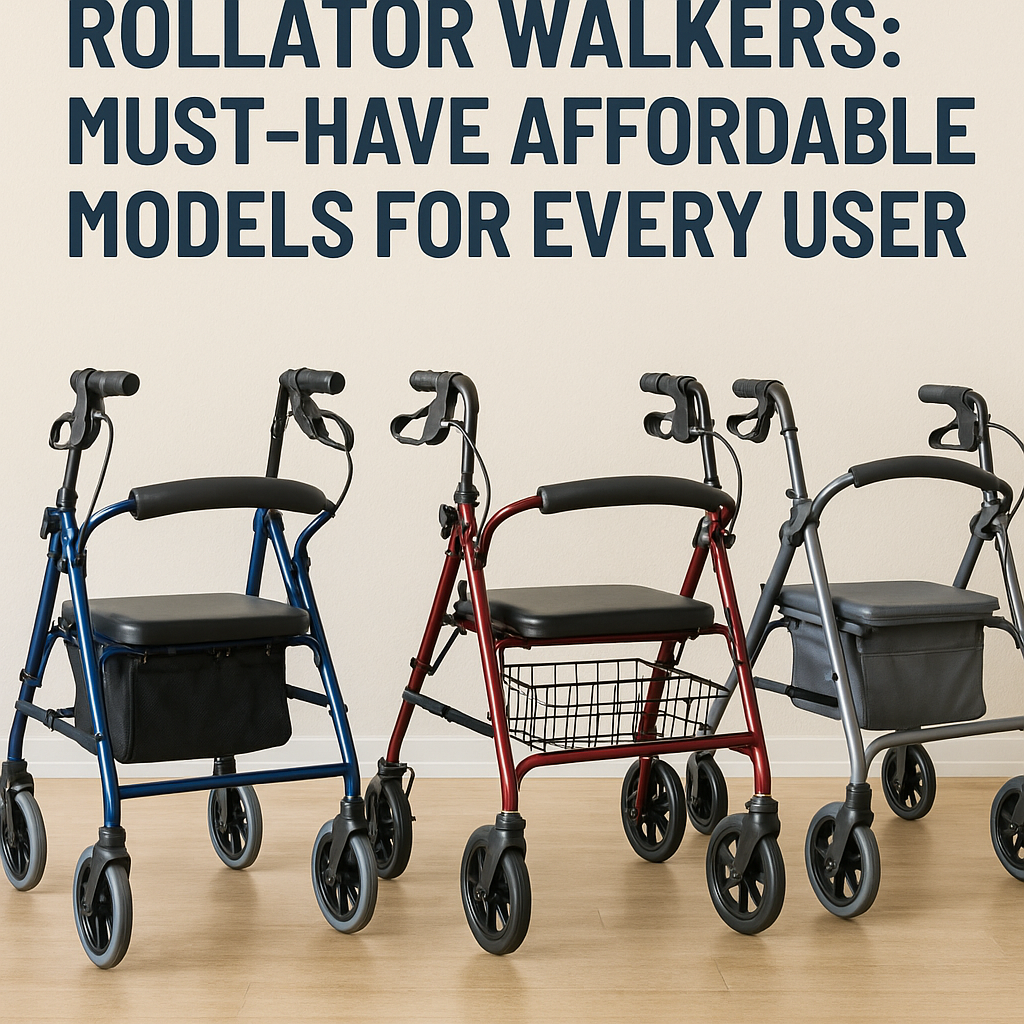
Ultimate Guide to Rollator Walkers: Types, Key Features & How to Choose the Right Model
Rollator walkers are essential mobility aids that help restore independence, confidence, and improved quality of life for seniors and individuals undergoing rehabilitation. For healthcare importers, distributors, and elderly care buyers, understanding the different types of rollator walkers available and their key features is vital for providing the right solution to clients. This comprehensive guide breaks down the major rollator types, highlights important specifications to consider, and offers practical advice on selecting the best model tailored to specific user needs.
Types of Rollator Walkers
Two-Wheel Rollators
Two-wheel rollators feature front wheels only, with the back legs lifted by the user when moving forward. Their lightweight and simple design make them ideal for indoor use on smooth surfaces. These rollators provide basic support with ease of maneuverability in confined spaces, perfect for elderly users who need modest assistance at home.
Four-Wheel Rollators
Four-wheel rollators come with two fixed rear legs and two swivel front wheels, enhancing stability and ease of steering. These models often include an advanced braking system with both running and parking modes, which increase user safety. Due to their robust design, four-wheel rollators are suitable for both indoor and outdoor use, offering a balanced combination of mobility and support.
Three-Wheel Rollators (Tri-Walkers)
Three-wheel rollators have one front and two rear wheels, offering a smaller turning radius for navigating tight spaces. These are often designed as knee walkers or lightweight travel aids, favored by users requiring greater agility. Their compact frame helps users maintain independence during short trips or therapy sessions.
Heavy-Duty / Bariatric Rollators
Designed to accommodate higher weight capacities — typically up to 136 kg (300 lbs) or more — heavy-duty rollators feature reinforced steel frames, wider seats, larger wheels, and stronger brakes. These models provide the durability and support bariatric clients need without compromising on safety or comfort.
Rollators with Seat & Storage
Rollators with an integrated seat and removable storage bag or basket are perfect for users requiring frequent rest breaks or carrying personal items. They are especially suited for shopping trips, park visits, or long corridors. Popular models from Tenrova Healthcare, including the FW7103 and RL3508, combine practical seating with ample storage solutions.
Key Features to Evaluate When Choosing Rollator Walkers
Frame Material & Weight
- Aluminum Alloy: Lightweight and rust-resistant, aluminum frames are easy to fold and transport, making them ideal for users seeking portability. For example, Tenrova’s FW913L weighs just 2.2 kg.
- Steel: While heavier, steel frames offer superior durability and higher load capacity, suitable for users needing robust support, such as the RL3513 model at 7.4 kg.
Wheel Size & Type
- Wheel sizes typically range from 5″ to 8″, with PVC-coated or polyurethane wheels designed for both indoor and outdoor environments.
- Larger wheels provide smoother navigation over uneven terrain, while swivel front wheels enable better maneuverability in crowded or restricted areas.
Braking System
- Effective rollators feature ergonomic loop or hand brakes with locking mechanisms.
- Dual-function braking systems allow users to control movement safely, enabling braking during use and locking the rollator securely when stationary.
Seat & Handle Adjustability
- Height-adjustable handles (usually with 6 to 8 levels) support ergonomic posture and comfort.
- Seats may be padded or use PU flip-up designs with quick-release features, facilitating ease of use and rest.
Folding Mechanism & Portability
- Quick folding mechanisms, such as one-click or pull-cord systems, simplify transport and storage.
- Compact folded sizes fit conveniently in vehicle trunks or closets, enhancing user independence when traveling.
Matching Rollator Walkers to User Needs
- Homecare & Assisted Living: Four-wheel rollators with mid-sized wheels and comfortable seating work well for indoor/outdoor use. Models like the FWTW913L combine a 5″ wheel design with lightweight frame and easy folding.
- Rehabilitation & Therapy: For patients focusing on posture and strength recovery, upright walkers without wheels or lightweight two-wheel walkers are advantageous. The FW913L Aluminum Upright Walker is a practical example.
- Active Outdoor Use: Clients who spend time outdoors benefit from heavy-duty rollators with large 8″ wheels and durable brakes. Tenrova’s RL3508 Aluminum Rollator with Shopping Bag suits active lifestyles.
- Bariatric Clients: Rollators constructed with steel frames supporting up to 300 lbs with reinforced seats and storage options like the RL3513 provide safe and reliable mobility assistance.
Conclusion & Call to Action
Selecting the right rollator walker requires careful consideration of frame strength, wheel design, braking efficiency, and user comfort. At Tenrova Healthcare, we offer a wide spectrum of rollator walkers—from ultra-lightweight aluminum models to heavy-duty steel designs—tailored to meet diverse mobility needs with uncompromising quality.
Explore our comprehensive range online or reach out to our expert team for a personalized consultation and free sample trial. Empower your clients with the mobility solutions they deserve — partner with Tenrova Healthcare today.# Ultimate Guide to Rollator Walkers: Types, Key Features & How to Choose the Right Model
Rollator walkers are indispensable mobility aids that greatly enhance independence, confidence, and quality of life for seniors and individuals undergoing rehabilitation. For healthcare importers, distributors, and elderly care buyers, understanding the various types of rollators, their key features, and how to select the most appropriate model is crucial in meeting client needs effectively. This guide provides an in-depth look at rollator walkers, offering expert insights tailored to professional buyers seeking reliable and high-quality products.
Types of Rollator Walkers
Two-Wheel Rollators
Two-wheel rollators feature front wheels only, requiring users to lift the back legs to move the device forward. This design keeps the walker lightweight and simple, making it ideal for indoor use on smooth surfaces such as hardwood or tiled floors. Their compactness facilitates maneuvering in tight spaces but may limit stability on uneven terrain.
Four-Wheel Rollators
Four-wheel rollators combine two fixed rear legs and two swivel front wheels, offering excellent stability and ease of steering. Equipped with dual braking systems for running and parking modes, these models ensure safety on multiple surfaces, from indoor flooring to outdoor pathways. Their versatility makes them a popular choice among seniors who require dependable support both inside and outside the home.
Three-Wheel Rollators (Tri-Walkers)
Three-wheel rollators, often referred to as tri-walkers, have one front wheel and two rear wheels. Their smaller turning radius allows for superior maneuverability in confined spaces, which is advantageous for users navigating busy apartments or narrow corridors. Many tri-walkers serve as knee walkers or lightweight travel aids, catering to those needing a compact, portable option.
Heavy-Duty / Bariatric Rollators
Bariatric rollators are constructed with reinforced frames designed to support users weighing up to 136 kg (300 lbs) or more. These models feature wider seats, larger wheels, and enhanced braking systems to provide the necessary durability and comfort. Heavy-duty rollators are essential for accommodating higher weight requirements without compromising stability or safety.
Rollators with Seat & Storage
Many rollators integrate built-in seats and removable storage bags or baskets, facilitating rest breaks and convenient carrying of personal items. These features make them especially suited for shopping trips, park visits, or extended walks. Notable examples from Tenrova Healthcare include the FW7103 and RL3508 models, both engineered with user convenience in mind.
Key Features to Evaluate When Selecting Rollators
Frame Material & Weight
- Aluminum Alloy: Offers a lightweight, rust-resistant frame that is easy to fold and transport. For instance, Tenrova’s FW913L weighs just 2.2 kg, balancing portability with strength.
- Steel: Provides exceptional durability and higher load capacity but tends to be heavier. The RL3513 steel model weighs 7.4 kg yet supports substantial weight, making it ideal for bariatric users.
Wheel Size & Type
Wheel diameter typically ranges between 5″ and 8″, with PVC-coated or polyurethane (PU) materials favored for durability and smooth travel.
- Smaller Wheels (5″): Best suited for flat indoors surfaces.
- Larger Wheels (8″): Better at smoothing over rough outdoor terrain.
- Swivel front wheels enhance maneuverability, particularly on four-wheeled rollators.
Braking System
Effective braking is critical for user safety and confidence.
- Loop or Ergonomic Hand Brakes: Easy to operate and reduce hand fatigue.
- Locking Feature: Allows the rollator to remain stationary, preventing accidental movement.
- Dual-function brakes provide running and parking modes, increasing versatility.
Seat & Handle Adjustability
- Adjustable handlebars with 6 to 8 height levels ensure ergonomic posture for users of varying heights.
- Seats can be padded or made of PU with flip-up designs for quick transitions.
- Quick-release mechanisms enhance comfort and practical use.
Folding Mechanism & Portability
- Innovative one-click or pull-cord folding systems simplify transport and storage.
- Compact folded dimensions allow for easy stowing in vehicle trunks or closets, facilitating travel and on-the-go use.
Matching Rollators to User Needs
Homecare & Assisted Living
For indoor and light outdoor use, four-wheel rollators with medium-sized wheels and integrated seats provide the perfect balance of comfort and support. The FWTW913L model, featuring 5″ front wheels and weighing just 2.5 kg, exemplifies ease of folding and maneuvering.
Rehabilitation & Therapy
Clients requiring post-injury support or rehabilitation often benefit from sturdy upright walkers that encourage correct posture. For lightweight mobility, a two-wheel rollator like the FW913L with an aluminum frame is a smart choice, offering stability without excess bulk.
Active Outdoor Use
For users leading active lifestyles who need durability and adaptability outdoors, heavy-duty rollators with large 8″ wheels and reinforced brakes are preferred. Tenrova’s RL3508 aluminum rollator with attached shopping bag combines robust construction with practical features for extended trekking and errands.
Bariatric Clients
Managing higher weight capacities necessitates steel frame rollators capable of supporting up to 300 lbs. The RL3513 model integrates reinforced seating and enhanced braking systems to deliver both strength and safety for bariatric users.
Conclusion
Selecting the right rollator walker hinges on a delicate balance of frame strength, wheel performance, braking safety, and overall user comfort. Whether outfitting an assisted living facility, distributing healthcare equipment, or seeking rehabilitation solutions, Tenrova Healthcare offers a comprehensive portfolio designed to meet every mobility requirement. From ultra-lightweight aluminum models to heavy-duty steel options, our range ensures tailored solutions for diverse client needs.
Explore Tenrova Healthcare’s rollator collection today or contact our mobility experts for a personalized consultation and free sample trial. Empower your clients with the confidence and independence they deserve.# Ultimate Guide to Rollator Walkers: Types, Key Features & How to Choose the Right Model
Rollator walkers are essential mobility aids that significantly enhance independence, confidence, and quality of life for seniors and individuals undergoing rehabilitation. For healthcare importers, distributors, and elderly care buyers, understanding the different types, features, and selection criteria is critical to meeting client needs effectively. This comprehensive guide will explore the various rollator types, their key specifications, and practical advice on choosing the most suitable models, helping you make informed procurement decisions for your healthcare portfolio.
Types of Rollator Walkers
Choosing the right rollator begins with understanding the main categories available in the market. Each type serves distinct user requirements based on mobility level, environment, and physical condition.
Two-Wheel Rollators
Two-wheel rollators feature front wheels only, while the back legs remain stationary and require the user to lift them when moving. This simpler design results in a lighter and more compact aid, ideal for indoor use on smooth floors. The lightweight structure of two-wheel models makes them easy to maneuver in confined spaces and convenient for occasional users.
Advantages:
- Lightweight and easy to lift
- Compact size suitable for small spaces
- Cost-effective option
Limitations:
- Requires upper body strength to lift back legs
- Less stable on uneven surfaces
Four-Wheel Rollators
Four-wheel rollators are the most common design, offering two swivel front wheels and two fixed rear legs equipped with a braking system for running and parking. This configuration provides maximum stability, better weight distribution, and effortless steering, making them suitable for both indoor and outdoor usage.
Advantages:
- Superior stability and support
- Easy-to-use braking system
- Suitable for various terrains
Three-Wheel Rollators (Tri-Walkers)
With one front wheel and two rear wheels, three-wheel rollators have a smaller turning radius, making them maneuverable in tight spaces. These models often serve as knee walkers or lightweight travel aids, favored by users who require agility over heavy support.
Advantages:
- Compact and highly maneuverable
- Lightweight for travel use
- Suitable for users prioritizing agility
Heavy-Duty / Bariatric Rollators
Specially engineered with reinforced frames, heavy-duty rollators can support weights up to 136 kg (300 lbs) or more. They feature wider seats, larger wheels, and stronger brakes, delivering extra durability and comfort for users with higher body weight or special medical requirements.
Advantages:
- Robust construction for heavy users
- Enhanced stability and safety features
- Comfort-focused design elements such as padded seats
Rollators with Seat & Storage
These models incorporate built-in seats and removable storage bags or baskets, allowing users to take rest breaks easily and carry personal items conveniently. They are perfect for shopping trips, park walks, or lengthy indoor corridors. Examples include Tenrova’s FW7103 and RL3508 models.
Key Features to Evaluate When Selecting Rollator Walkers
When selecting rollators for your healthcare supply, critical features should be carefully analyzed to ensure safety, comfort, and usability.
Frame Material & Weight
- Aluminum Alloy: Lightweight, rust-resistant, and easy to fold. Ideal for users seeking portability (e.g., FW913L weighs only 2.2 kg).
- Steel: Heavier but extremely durable, able to support higher loads, making it suitable for bariatric users (e.g., RL3513 weighs 7.4 kg).
Wheel Size & Type
- Wheels generally range between 5″–8″.
- PVC-coated or PU wheels are common for indoor/outdoor versatility.
- Larger wheels absorb bumps better, enhancing outdoor comfort. Swivel front wheels improve maneuverability.
Braking System
- Loop or ergonomic hand brakes are standard for easy control.
- Dual-function brakes allow both running (gradual slowing) and parking (secure locking) modes, critical for user safety.
Seat & Handle Adjustability
- Height-adjustable handles with 6–8 levels enable ergonomic posture for diverse users.
- Seats range from padded cushions to flip-up PU options with quick-release mechanisms for convenience.
Folding Mechanism & Portability
- Modern rollators feature one-click or pull-cord folding, enabling compact storage and easy transportation.
- Compact folded dimensions fit well in vehicle trunks or closets, facilitating travel and home storage.
Matching Rollators to User Needs
A successful selection considers the specific mobility challenges and lifestyle of the end user.
Homecare & Assisted Living
Four-wheel rollators with medium-sized wheels and comfortable seats provide versatility for indoor and outdoor environments. The FWTW913L model, for example, features 5″ front wheels, a lightweight 2.5 kg frame, and an easy one-step fold.
Rehabilitation & Therapy
Patients often benefit from sturdy upright walkers without wheels or lightweight two-wheel rollators that encourage correct posture and controlled mobility. Tenrova’s FW913L lightweight aluminium upright walker is an excellent option here.
Active Outdoor Use
For users spending time outside, a heavy-duty rollator with large 8″ wheels and robust brakes is ideal. RL3508 Aluminium Rollator, outfitted with a shopping bag, combines functionality with durability.
Bariatric Clients
Rollators with steel frames, extended weight capacities of 300 lbs or more, reinforced seats, and storage solutions suit bariatric users. The RL3513 Steel Rollator is a top-tier example from Tenrova.
Conclusion: Choosing the Right Rollator Walker
Balancing frame strength, wheel quality, braking efficiency, and user comfort is key to selecting the perfect rollator walker. Tenrova Healthcare’s extensive range—from ultra-lightweight upright walkers to heavy-duty bariatric rollators—offers professional-grade solutions tailored to diverse mobility needs.
Ready to Enhance Your Healthcare Offerings?
Explore Tenrova’s rollator walker collection today or contact our experts for personalized consultation and a free sample trial. Empower your clients with superior mobility solutions designed to improve daily living and independence.
Tenrova Healthcare: Trusted mobility aids for every stage of life.# Ultimate Guide to Rollator Walkers: Types, Key Features & How to Choose the Right Model
Rollator walkers are essential mobility aids that significantly enhance freedom and confidence for seniors and individuals undergoing rehabilitation. For healthcare importers, distributors, and elderly care buyers, understanding the variety and specific features of rollators is crucial for selecting models that best serve users’ diverse needs. This ultimate guide explores the main types of rollator walkers, key specifications for evaluation, and practical advice on how to choose the right model to optimize patient care and satisfaction.
Types of Rollator Walkers
Choosing the appropriate rollator begins with understanding the different types available on the market. Each type is designed to meet distinct mobility requirements and environments.
Two-Wheel Rollators
Two-wheel rollators are characterized by front wheels only, with the user lifting the rear legs to move forward. Their lightweight and simple design make them ideal for indoor use on smooth surfaces such as homes or assisted living facilities. These rollators provide basic support with minimal complexity, making them suitable for those who primarily require stability rather than full mobility assistance.
Four-Wheel Rollators
Four-wheel rollators offer the best combination of stability and maneuverability. Equipped with two fixed rear legs and two swivel front wheels, these models are easy to steer and often include advanced braking systems for safety. The dual-function brakes allow for both running and parking modes, ensuring user control on various terrains. Four-wheel rollators are versatile for both indoor and outdoor use, fitting a wide range of users.
Three-Wheel Rollators (Tri-Walkers)
Three-wheel rollators feature a unique layout with one front wheel and two rear wheels. Their smaller turning radius makes them particularly useful in confined spaces. Commonly referred to as tri-walkers, these models frequently double as knee walkers or lightweight travel aids due to their compact size and agility.
Heavy-Duty / Bariatric Rollators
Designed for users with higher weight capacities, heavy-duty or bariatric rollators boast reinforced frames that typically support up to 136 kg (300 lbs) or more. These walkers also feature wider seats, larger wheels, and stronger braking mechanisms to accommodate increased load while maintaining safety and comfort.
Rollators with Seat & Storage
Models equipped with a built-in seat and storage options cater to users needing rest breaks during walking and convenient carrying solutions. These rollators enhance usability for shopping outings, park walks, or extended indoor corridors. Examples from Tenrova’s lineup include the FW7103 and RL3508 models, which provide integrated comfort and utility.
Key Features to Evaluate in Rollator Walkers
Selecting the right rollator involves a careful assessment of critical components that affect performance, durability, and user experience.
Frame Material & Weight
- Aluminum Alloy: Favored for its light weight and rust resistance, aluminum makes rollators easier to fold and transport. For instance, the FW913L weighs just 2.2 kg, ideal for users needing portability.
- Steel: Heavier but far more durable, steel frames suit users requiring robust support and higher weight capacity. The RL3513, at 7.4 kg, integrates strength without compromising reliability.
Wheel Size & Type
Wheel size impacts smoothness and maneuverability. PVC-coated or polyurethane (PU) wheels ranging from 5″ to 8″ can handle various terrains. Larger wheels are effective for smoothing out uneven surfaces and improving outdoor mobility. Swivel front wheels further enhance turning capability, allowing effortless control.
Braking System
Brakes enhance safety and control in all rollator types. Ergonomic hand brakes with loop designs provide ease of use, while built-in locking features secure the rollator during rest. Dual-function brakes facilitate running and parking modes, adapting to changing mobility situations.
Seat & Handle Adjustability
Adjustable handles accommodate different user heights, promoting ergonomic posture and reducing strain. Most models offer 6 to 8 height levels. Seats may be padded or constructed from durable PU with flip-up options to facilitate transfers. Quick-release mechanisms add convenience for storage and transport.
Folding Mechanism & Portability
Operators appreciate rollators with simple folding systems such as one-click or pull-cord mechanisms. Compact folded dimensions allow seamless storage in vehicle trunks or small closets, supporting active lifestyles and easy transport.
Matching Rollators to User Needs
Understanding client environments and user demands is vital to recommending the ideal rollator.
Homecare & Assisted Living
A four-wheel rollator with medium-sized wheels and a built-in seat is optimal for flexibility indoors and outdoors. For example, the FWTW913L features 5″ front wheels, a lightweight 2.5 kg frame, and an easy one-step fold, perfect for assisted living settings.
Rehabilitation & Therapy
For therapy and rehabilitation, sturdy upright walkers promoting correct posture without wheels or a two-wheel model provide stability and encourage gradual mobility improvement. The FW913L Lightweight Aluminium Upright Walker exemplifies this approach.
Active Outdoor Use
Users with active outdoor lifestyles benefit from heavy-duty rollators with large 8″ wheels and robust brakes to negotiate rough terrain safely. The RL3508 Aluminium Rollator with Shopping Bag offers durability and convenience for extended outings.
Bariatric Clients
Steel frame rollators designed for bariatric clients ensure strength and durability while supporting up to 300 lbs and featuring reinforced seats. The RL3513 Steel Rollator with Seat & Storage is specially tailored for these requirements.
Conclusion: Enhance Mobility with the Right Rollator Walker
Selecting the perfect rollator walker involves balancing frame strength, wheel functionality, braking safety, and user comfort tailored to individual needs. At Tenrova Healthcare, we provide a comprehensive range of mobility solutions, from lightweight aluminum upright walkers to heavy-duty steel rollators designed to improve quality of life.
Explore our extensive rollator collection today or contact our mobility experts for personalized consultations and free sample trials. Invest in reliable mobility solutions that empower independence and deliver peace of mind to your clients.