
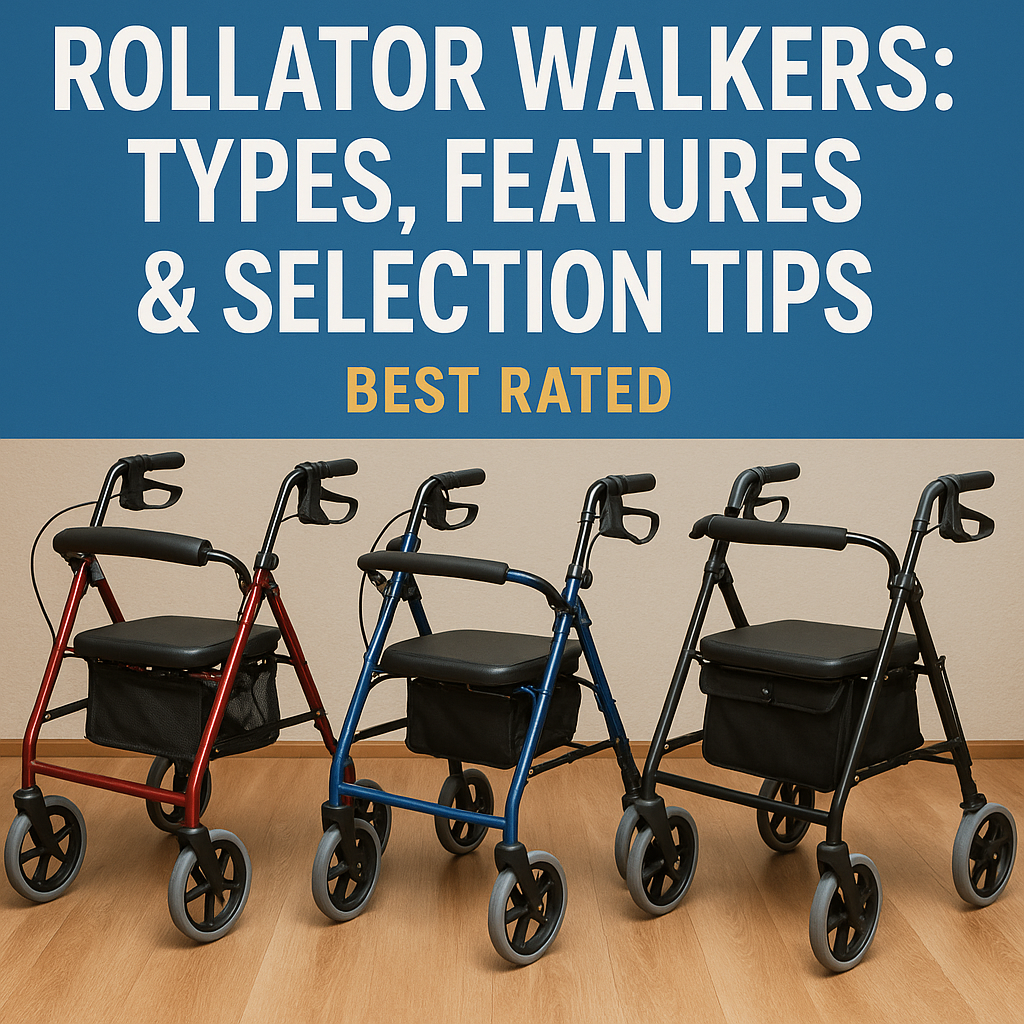
A Comprehensive Guide to Rollator Walkers: Types, Key Features & Selection Tips
Rollator walkers play a crucial role in enhancing mobility and independence for seniors, rehabilitation patients, and individuals with limited mobility. At Tenrova Healthcare, we understand the importance of offering a comprehensive range of rollator walkers that cater to diverse needs. In this guide, we will delve into the various types of rollators, key features to consider, selection tips for different care settings, maintenance best practices, compliance standards, and the range of solutions we offer to empower healthcare providers and elderly care buyers.
Types of Rollator Walkers
Three-Wheel Travel Rollators
Three-wheel travel rollators are lightweight, compact, and designed for easy transport. With a tight turning radius, they are ideal for navigating small spaces. These rollators often come with adjustable handle height and basic hand brakes for added convenience.
Four-Wheel Standard Rollators
Four-wheel standard rollators, such as the FWTW913L, provide stability with their wide base, suitable for both indoor and outdoor use. Equipped with swing-down hand brakes for speed control and parking, these rollators offer a foldable frame for convenient storage.
Rollators with Seats & Storage
Rollators like the FW7103 and FWTW7204 feature a PU or Textilene flip-up seat for on-the-go resting. They also have detachable storage bags under the seat for storing personal items, with optional armrests for additional support while sitting or standing.
Heavy-Duty & Bariatric Rollators
For individuals requiring more robust support, heavy-duty and bariatric rollators such as the RL3513 offer a powder-coated steel frame capable of supporting up to 136 kg (300 lbs). These rollators feature larger wheels for smooth indoor and outdoor movement, along with a reinforced structure and padded seat/backrest.
Shopping Rollators
Shopping rollators like the RL3508 come with under-seat shopping bags with zip or drawstring closures. They feature a swivel foam backrest for added comfort during longer outings and boast a dual braking system for maximum safety.
Key Features to Evaluate
Frame Material & Weight
Consider the material of the frame – aluminum alloy for lightness and rust resistance, and steel frames for heavy-duty use with higher load capacity.
Wheel Size & Type
Choose between 5″–8″ front wheels for either indoor agility or outdoor terrain. Opt for PVC-coated or solid rubber wheels for puncture-proof performance.
Braking System
Look for loop or ergonomic hand brakes for gradual slowdown and a parking brake function to securely lock the wheels.
Seating & Storage
Decide between PU seats and Textilene fabric for durability and comfort. Opt for rollators with under-seat baskets or detachable bags for storage.
Adjustability & Ergonomics
Prioritize multi-level handle height adjustment and ergonomic, anti-slip hand grips to reduce hand fatigue.
Foldability & Portability
Choose rollators with one-click folding mechanisms for quick storage and lightweight designs under 3 kg for travel rollators.
Selecting the Right Rollator for Different Settings
- Homecare & Assisted Living: Four-wheel standard rollators and models with seats and storage offer mobility and convenience at home.
- Rehabilitation Centers & Hospitals: Heavy-duty rollators are suitable for therapy sessions, while adjustable walkers without wheels are ideal for balance training.
- Nursing Homes & Clinics: Bariatric rollators with higher weight limits and easy-clean frames are crucial in high-traffic environments.
- Outdoor & Community Use: All-terrain rollators and shopping rollators provide the necessary support and storage for outdoor activities.
Maintenance & After-Sales Support
- Regular Cleaning: Clean the frame, seat, and wheels regularly with mild detergent and water to prevent corrosion.
- Inspection & Adjustment: Monthly checks on wheel bearings, brake cables, and tightening any loose components are necessary.
- Spare Parts & Warranty: Keep spare parts on hand and verify warranty terms and replacement procedures for smooth after-sales support.
Compliance & Certifications
Ensure your rollator walkers meet CE, FDA, and ISO13485 standards for medical-grade safety and quality. Look for third-party test reports on load capacity, frame fatigue, and corrosion resistance. Consider customizable OEM/ODM options for branding and packaging needs.
Conclusion & Next Steps
Selecting the right rollator walker involves a careful consideration of user needs, care settings, and product features. At Tenrova Healthcare, we offer a full range of CE/FDA/ISO-certified rollator walkers tailored to meet the diverse requirements of healthcare importers, distributors, and elderly care buyers. Contact us today to explore our range of reliable and comfortable rollator walkers that empower users to navigate their world with confidence and ease.
Contact Tenrova Today
Email: hysun0516@gmail.com
WhatsApp/Phone: +86-138-1239-0890
Website: Tenrova Healthcare
By choosing Tenrova Healthcare, you are choosing exceptional quality, reliability, and comfort for your clients and facility.A Comprehensive Guide to Rollator Walkers: Types, Key Features & Selection Tips
Rollator walkers are essential mobility aids that offer support, comfort, and convenience to seniors, rehabilitation patients, and individuals with limited mobility. These devices play a crucial role in enhancing independence and safety, allowing users to move around with confidence and ease. In this comprehensive guide, we will explore the various types of rollator walkers, key features to consider, selection tips for different care settings, and maintenance best practices.
Types of Rollator Walkers
- Three-Wheel Travel Rollators
- Ideal for those on the go, these rollators are lightweight and compact for easy transport.
- They feature a tight turning radius, making them perfect for navigating small spaces.
- Typically equipped with adjustable handle height and basic hand brakes for added control.
- Four-Wheel Standard Rollators (e.g., FWTW913L)
- These rollators provide stability and support for both indoor and outdoor use.
- Featuring swing-down hand brakes for speed control and parking convenience.
- Their foldable frames allow for compact storage when not in use.
- Rollators with Seats & Storage (e.g., FW7103, FWTW7204)
- Equipped with comfortable flip-up seats for resting on the go.
- Detachable storage bags under the seat provide space for personal items.
- Optional armrests offer additional support while sitting or standing.
- Heavy-Duty & Bariatric Rollators (e.g., RL3513)
- Designed for larger individuals, these rollators feature a sturdy steel frame that supports up to 136 kg (300 lbs).
- Larger PVC-coated wheels ensure smooth movement indoors and outdoors.
- The reinforced structure and padded seat/backrest offer durability and comfort.
- Shopping Rollators (e.g., RL3508)
- These rollators come with under-seat shopping bags, perfect for carrying groceries.
- A swivel foam backrest provides comfort during longer outings.
- Dual braking systems ensure maximum safety while shopping or moving around.
Key Features to Evaluate
- Frame Material & Weight: Consider the frame material – aluminum alloy for lightness and rust resistance, steel for heavy-duty use.
- Wheel Size & Type: Choose between 5”-8” front wheels for indoor agility or outdoor terrain, with PVC-coated or solid rubber for puncture-proof performance.
- Braking System: Look for loop or ergonomic hand brakes with a parking brake function for secure locking.
- Seating & Storage: Evaluate the type of seat material and under-seat storage options.
- Adjustability & Ergonomics: Opt for rollators with multi-level handle height adjustments and anti-slip hand grips.
- Foldability & Portability: Select rollators with one-click folding mechanisms and lightweight designs for easy storage and travel.
Selecting the Right Rollator for Different Settings
- Homecare & Assisted Living: Standard four-wheel rollators are suitable for daily use, while models with seats and storage offer added convenience.
- Rehabilitation Centers & Hospitals: Heavy-duty rollators with higher load capacity are ideal for therapy sessions, and adjustable walkers without wheels help with balance training.
- Nursing Homes & Clinics: Bariatric rollators are best for higher weight limits, with easy-clean frames and replaceable parts for durability.
- Outdoor & Community Use: Choose all-terrain rollators with larger wheels for outdoor use and shopping rollators for market visits.
Maintenance & After-Sales Support
- Regularly clean the rollator to prevent corrosion.
- Conduct monthly inspections to check wheel bearings and brake cables.
- Keep spare parts available and be aware of the warranty terms and replacement procedures.
Compliance & Certifications
- Look for CE, FDA & ISO13485 certifications for safety and quality assurance.
- Ensure the rollator meets third-party testing standards for load capacity and durability.
- Consider customizable options for branding and packaging needs.
Conclusion & Next Steps
Choosing the right rollator walker involves understanding user needs, care settings, and product features. Tenrova Healthcare provides a wide range of CE/FDA/ISO-certified rollator walkers tailored to meet the diverse requirements of healthcare importers, distributors, and elderly care buyers. Empower your clients or facility with safe, reliable, and comfortable rollator walkers from Tenrova.
Contact Tenrova Today
- Email: hysun0516@gmail.com
- WhatsApp/Phone: +86-138-1239-0890
- Website: Tenrova Healthcare
In conclusion, selecting the right rollator walker is crucial for ensuring the well-being and mobility of individuals with limited mobility. Consider the specific needs of the user and the care setting to make an informed decision. If you require high-quality rollator walkers that meet rigorous safety standards and offer optimal support, Tenrova Healthcare is your trusted partner in providing top-tier mobility solutions.A Comprehensive Guide to Rollator Walkers: Types, Key Features & Selection Tips
Introduction
Rollator walkers are essential mobility aids that provide support and enhance independence for seniors, rehabilitation patients, and individuals with limited mobility. These devices are designed to offer stability, comfort, and convenience, ultimately improving the quality of life for users. In this guide, we will delve into the various types of rollator walkers, key features to consider when selecting one, tips for choosing the right walker for different care settings, and maintenance best practices.
Types of Rollator Walkers
1. Three-Wheel Travel Rollators
Travel rollators are lightweight and compact, making them ideal for easy transportation. With a tight turning radius, they are perfect for navigating small spaces. These rollators typically come with adjustable handle height and basic hand brakes for added safety.
2. Four-Wheel Standard Rollators
Standard rollators, such as the FWTW913L model, feature a stable and wide base suitable for both indoor and outdoor use. They are equipped with swing-down hand brakes for speed control and parking, as well as a foldable frame for convenient storage.
3. Rollators with Seats & Storage
Rollators with built-in seats and storage, like the FW7103 and FWTW7204 models, offer users the convenience of resting on the go. They come with features such as flip-up seats, detachable storage bags under the seat, and optional armrests for additional support.
4. Heavy-Duty & Bariatric Rollators
For users requiring extra support and durability, heavy-duty rollators, such as the RL3513 model, are constructed with a powder-coated steel frame that can support up to 136 kg (300 lbs). These rollators are equipped with larger PVC-coated wheels for smooth movement indoors and outdoors, as well as a reinforced structure and padded seat/backrest.
5. Shopping Rollators
Designed for trips to the market or shopping centers, shopping rollators like the RL3508 model feature an under-seat shopping bag, a swivel foam backrest for comfort during longer outings, and a dual braking system for maximum safety.
Key Features to Evaluate
- Frame Material & Weight: Consider the frame material for its weight and rust resistance. Aluminium alloy frames are lightweight, while steel frames offer higher load capacity for heavy-duty use.
- Wheel Size & Type: Choose between 5″–8″ front wheels based on indoor or outdoor use. Opt for PVC-coated or solid rubber wheels for puncture-proof performance.
- Braking System: Look for loop or ergonomic hand brakes for gradual slowdown, as well as a parking brake function to securely lock the wheels.
- Seating & Storage: Evaluate the type of seat material (PU vs. Textilene) for durability and comfort, and assess the availability of under-seat baskets or detachable bags for storage.
- Adjustability & Ergonomics: Check for multi-level handle height adjustment and ergonomic, anti-slip hand grips to reduce hand fatigue.
- Foldability & Portability: Consider rollators with one-click folding mechanisms for quick storage and lightweight designs under 3 kg for travel purposes.
Selecting the Right Rollator for Different Settings
- Homecare & Assisted Living: Choose four-wheel standard rollators for daily use at home, or models with seats and storage for added convenience.
- Rehabilitation Centers & Hospitals: Opt for heavy-duty rollators with higher load capacity for therapy sessions, or adjustable walkers without wheels for balance training.
- Nursing Homes & Clinics: Select bariatric rollators with easy-clean frames and replaceable parts for high-traffic areas.
- Outdoor & Community Use: Consider all-terrain rollators with sturdy frames for outdoor use, or shopping rollators with ample storage capacity.
Maintenance & After-Sales Support
To ensure the longevity and optimal performance of your rollator walker, follow these maintenance practices:
- Regularly clean the frame, seat, and wheels with mild detergent and water.
- Inspect and adjust wheel bearings and brake cables monthly.
- Keep spare hand grips, wheels, and brake cables for repairs.
- Verify warranty terms and replacement procedures for after-sales support.
Compliance & Certifications
Partnering with a reliable supplier that offers medical-grade safety and quality assurance is crucial. Look for rollator walkers that are CE, FDA, and ISO13485 certified, and check for third-party test reports on load capacity, frame fatigue, and corrosion resistance.
Conclusion & Next Steps
Choosing the right rollator walker involves considering user needs, care settings, and product features. At Tenrova Healthcare, we offer a wide range of CE/FDA/ISO-certified rollator walkers that cater to different requirements, from lightweight travel models to heavy-duty bariatric solutions. Empower your users with safe, reliable, and comfortable rollator walkers from Tenrova.
Contact Tenrova Today
Email: hysun0516@gmail.com
WhatsApp/Phone: +86-138-1239-0890
Website: https://tenrova.com
By understanding the types, features, and maintenance of rollator walkers, you can make informed decisions for your clientele or facility. Partner with Tenrova Healthcare for top-notch rollator solutions.When it comes to enhancing mobility and independence for seniors, rehabilitation patients, and individuals with limited mobility, rollator walkers play a crucial role. This comprehensive guide will delve into the different types of rollator walkers, key features to consider when choosing the right one, and essential selection tips for various care settings. Additionally, we will discuss maintenance best practices to ensure the longevity and effectiveness of these mobility aids.
Types of Rollator Walkers
Three-Wheel Travel Rollators
Three-wheel travel rollators are lightweight and compact, making them ideal for easy transport. They have a tight turning radius, which is perfect for navigating through small spaces. These rollators often come with adjustable handle heights and basic hand brakes for added convenience.
Four-Wheel Standard Rollators
The four-wheel standard rollators offer stability with their wide bases, suitable for both indoor and outdoor use. They feature swing-down hand brakes for speed control and parking, along with a foldable frame for convenient storage when not in use, such as the FWTW913L model.
Rollators with Seats & Storage
Rollators with seats and storage compartments, like the FW7103 or FWTW7204 models, provide users with the ability to rest on the go. These rollators typically come with PU or Textilene flip-up seats, detachable storage bags under the seats for personal items, and optional armrests for additional support.
Heavy-Duty & Bariatric Rollators
Designed for users requiring extra support, the heavy-duty and bariatric rollators, such as the RL3513 model, feature a powder-coated steel frame capable of supporting up to 136 kg (300 lbs). They come equipped with larger PVC-coated wheels for smooth movement indoors and outdoors, along with a reinforced structure and padded seat/backrest.
Shopping Rollators
Shopping rollators, like the RL3508, are equipped with under-seat shopping bags for convenient storage. They feature a swivel foam backrest for added comfort during longer outings and a dual braking system for maximum safety during use.
Key Features to Evaluate
When choosing a rollator walker, it’s essential to pay attention to key features such as:
- Frame Material & Weight: Opt for aluminium alloy for lightness and rust resistance, or steel frames for heavy-duty use and increased load capacity.
- Wheel Size & Type: Consider the wheel size and type based on your intended use, whether indoors or outdoors.
- Braking System: Ensure your rollator has a reliable braking system for safe usage.
- Seating & Storage: Evaluate the seating and storage options for comfort and convenience.
- Adjustability & Ergonomics: Look for handle height adjustability and ergonomic hand grips for user comfort.
- Foldability & Portability: Consider the foldability and portability of the rollator for ease of storage and transport.
Selecting the Right Rollator for Different Settings
When selecting a rollator for different care settings:
- Homecare & Assisted Living: Opt for standard four-wheel rollators with seats and storage for daily use.
- Rehabilitation Centers & Hospitals: Choose heavy-duty rollators with higher load capacities.
- Nursing Homes & Clinics: Consider bariatric rollators designed for higher weight limits.
- Outdoor & Community Use: Select all-terrain rollators or shopping rollators with ample storage.
Maintenance & After-Sales Support
Proper maintenance of your rollator walker is essential for its longevity:
- Regular Cleaning: Clean your rollator regularly with mild detergent and water to prevent corrosion.
- Inspection & Adjustment: Check wheel bearings, brake cables, and tighten any loose screws monthly.
- Spare Parts & Warranty: Keep spare hand grips, wheels, and brake cables for replacement and check warranty terms.
Compliance & Certifications
When purchasing a rollator walker, ensure it meets safety and quality standards such as CE, FDA, and ISO certifications. Look for third-party test reports and customizable options for branding and packaging.
In conclusion, choosing the right rollator walker involves understanding user needs, care settings, and product features. Tenrova Healthcare offers a wide range of CE/FDA/ISO-certified rollator walkers tailored to various needs. Contact Tenrova today for safe, reliable, and comfortable mobility solutions.
Contact Tenrova Today
- Email: hysun0516@gmail.com
- WhatsApp/Phone: +86-138-1239-0890
- Website: Tenrova Healthcare
This guide aims to empower healthcare importers, distributors, and elderly care buyers to make informed decisions when selecting rollator walkers for their clients or facilities.Rollator walkers have become essential mobility aids for seniors, rehabilitation patients, and individuals with limited mobility, offering a combination of support, seating, and storage. Understanding the different types, key features, and selection tips will help healthcare importers, distributors, and elderly care buyers make informed decisions when choosing the right rollator walker for their clients or facilities.
Types of Rollator Walkers
When looking to purchase a rollator walker, it’s important to consider the various types available to meet specific needs:
- Three-Wheel Travel Rollators
- Lightweight and compact for easy transport
- Tight turning radius ideal for small spaces
- Adjustable handle height and basic hand brakes
- Four-Wheel Standard Rollators
- Stable, wide base for indoor and outdoor use
- Swing-down hand brakes for speed control and parking
- Foldable frame for convenient storage
- Rollators with Seats & Storage
- PU or Textilene flip-up seat for resting on the go
- Detachable storage bag under the seat for personal items
- Optional armrests for additional support
- Heavy-Duty & Bariatric Rollators
- Powder-coated steel frame supporting up to 136 kg (300 lbs)
- Larger 8″ PVC-coated wheels for smooth movement
- Reinforced structure and padded seat
- Shopping Rollators
- Under-seat shopping bag with zip or drawstring closure
- Swivel foam backrest for comfort during outings
- Dual braking system for maximum safety
Key Features to Evaluate
As healthcare professionals, it’s crucial to assess the following key features when selecting a rollator walker:
- Frame Material & Weight
- Wheel Size & Type
- Braking System
- Seating & Storage
- Adjustability & Ergonomics
- Foldability & Portability
Selecting the Right Rollator for Different Settings
Depending on the care setting, different types of rollator walkers may be more suitable:
- Homecare & Assisted Living: Consider four-wheel standard rollators with seats and storage.
- Rehabilitation Centers & Hospitals: Opt for heavy-duty rollators or adjustable walkers without wheels.
- Nursing Homes & Clinics: Bariatric rollators are ideal due to their higher weight limits.
- Outdoor & Community Use: All-terrain or shopping rollators with larger wheels and ample storage are recommended.
Maintenance & After-Sales Support
Ensuring proper maintenance of rollator walkers is crucial for longevity and user safety:
- Regular Cleaning
- Inspection & Adjustment
- Spare Parts & Warranty
Compliance & Certifications
Look for rollator walkers that meet industry standards such as CE, FDA, and ISO certification for optimal safety and quality assurance.
Conclusion & Next Steps
Choosing the right rollator walker requires a comprehensive understanding of user needs, care settings, and product features. Tenrova Healthcare offers a wide range of CE/FDA/ISO-certified rollator walkers with customizable options and reliable after-sales support.
For safe, comfortable, and reliable rollator walkers, contact Tenrova Healthcare today.
CTA: Contact Tenrova Healthcare today for a range of high-quality rollator walkers tailored to your specific needs. Email: hysun0516@gmail.com | WhatsApp/Phone: +86-138-1239-0890 | Website: https://tenrova.com